

Congratulations! You’ve found your dream home and your offer has been accepted. Now comes the exciting final chapter – the home closing. This milestone moment represents the finish line of your homebuying journey.
Real estate transactions typically unfold over several weeks with many moving pieces. While this might sound overwhelming, understanding what to expect makes everything manageable. Preparation is your best friend during this phase.
Many buyers find that getting mortgage pre-approval beforehand helps speed things along. This financial readiness shows sellers you’re serious and can often lead to a smoother transaction.
The complexity of real estate closings is why many people choose to work with professionals. Having an experienced real estate attorney can provide valuable guidance through the paperwork and procedures.
Take a deep breath – you’ve got this! In the following sections, we’ll walk through each step so you can approach your closing day with confidence and excitement.
Understanding “Closing”
Closing is the end of your home buying journey. It’s when you officially get the keys to your new home. This moment marks the end of the seller’s ownership and the start of yours.
At closing, you’ll sign many important documents. This happens at a title company or an attorney’s office. Both the buyer and seller are there to make it official.
The escrow account plays a big role in closing. It’s a neutral third party that holds funds and documents. This ensures the deal is fair for both sides.
Closing brings together all the steps you’ve taken so far. This includes getting your mortgage approved and having the home inspected. It’s the final step where you officially become the homeowner.
You’ll see many important documents at closing. These papers confirm your agreement to buy the property. They also explain your financial duties as the new homeowner.
Understanding closing can make it less stressful for first-time buyers. Knowing what to expect can help you feel more prepared. You’ll be ready for that final meeting.
| Closing Component | Purpose | Who Typically Handles |
|---|---|---|
| Escrow Account | Holds funds securely until closing completes | Title company or attorney |
| Closing Documents | Legal transfer of ownership rights | Closing agent coordinates signing |
| Funds Distribution | Pays seller and covers transaction costs | Escrow agent processes payments |
| Title Transfer | Officially records new ownership | County recorder’s office |
Closing is the end of your home search. It’s the moment when all your hard work pays off. With the right preparation, you’ll get through it smoothly.
Pay close attention to details during closing. Make sure to read each document carefully before signing. Don’t hesitate to ask questions if you’re unsure about anything.
The closing table is where dreams of homeownership come true. It’s a moment worth celebrating. Soon, you’ll be holding the keys to your new home!
Timeline from Offer to Keys
The time between accepting an offer and moving day can seem long. But knowing what happens makes it easier. Home closings usually take 30 to 60 days, with about a dozen key steps.
Here’s a clear guide on what to expect at closing and when:
- Days 1-5: Opening escrow and earnest money deposit
- Days 5-15: Home inspection and appraisal
- Days 15-30: Mortgage underwriting and title search
- Days 30-45: Final approval and closing disclosure
- Days 45-60: Final walk-through and signing
The escrow process starts right after you accept the offer. This neutral third party holds all documents and funds until everything is finalized. Your earnest money shows you’re serious about the purchase.
Home inspections usually happen in the first two weeks. This is your chance to find any hidden issues with the property. The appraisal checks if the home’s value matches your loan amount.
Mortgage underwriting can take the longest. Lenders check your financial info and the property’s details. It’s normal if this takes several weeks.
Many things can change your timeline. Getting pre-approved for a mortgage can speed things up. Inspection results might lead to negotiations that add a few days. Busy seasons can also cause delays.
Remember, hiccups are common in real estate. Your real estate agent will help with any unexpected delays. The typical timeline from offer to closing varies, but knowing what to expect reduces stress.
The final walk-through happens just before closing day. This confirms the property’s condition hasn’t changed. Then comes the big day – signing documents and getting your keys!
Understanding what to expect at closing helps you stay calm. Each step brings you closer to owning your new home. Before you know it, you’ll be turning the key in your own front door.
Required Documents
Paperwork might not be exciting, but having the right documents ready makes your home closing smooth. This paperwork makes sure everything is legal and protects your investment for years.
You’ll need to gather several important papers before your closing date. Being organized with these documents prevents last-minute stress and delays.
| Document | Purpose | Important Details |
|---|---|---|
| Closing Disclosure | Final listing of all costs and fees | Must be reviewed at least 3 days before closing |
| Deed | Transfers property ownership | Contains legal description of the property |
| Title Documents | Prove clear ownership history | Includes title insurance policies |
| Proof of Homeowner’s Insurance | Shows property is insured | Lender requires this before funding loan |
| Mortgage Payoff Statement | Shows existing loan balance (if applicable) | Needed for proper accounting at closing |
| Loan Package | All your mortgage documents | Includes note, mortgage, and other agreements |
Take your time to read each document carefully during the home closing process. Don’t feel rushed – this is your future home we’re talking about!
If anything seems confusing or unclear, don’t hesitate to ask questions. Your real estate agent or closing attorney can explain anything you don’t understand.
For a detailed guide, check out this helpful guide on what to expect at your home. It covers everything from documents to final steps.
Remember: These papers protect your rights as a homeowner. Understanding them now can prevent issues later. Your careful review ensures your home closing completes without surprises.
When in doubt, consult with a real estate attorney. They can spot issues that might not be obvious to first-time buyers.
Closing Costs and Fees Explained
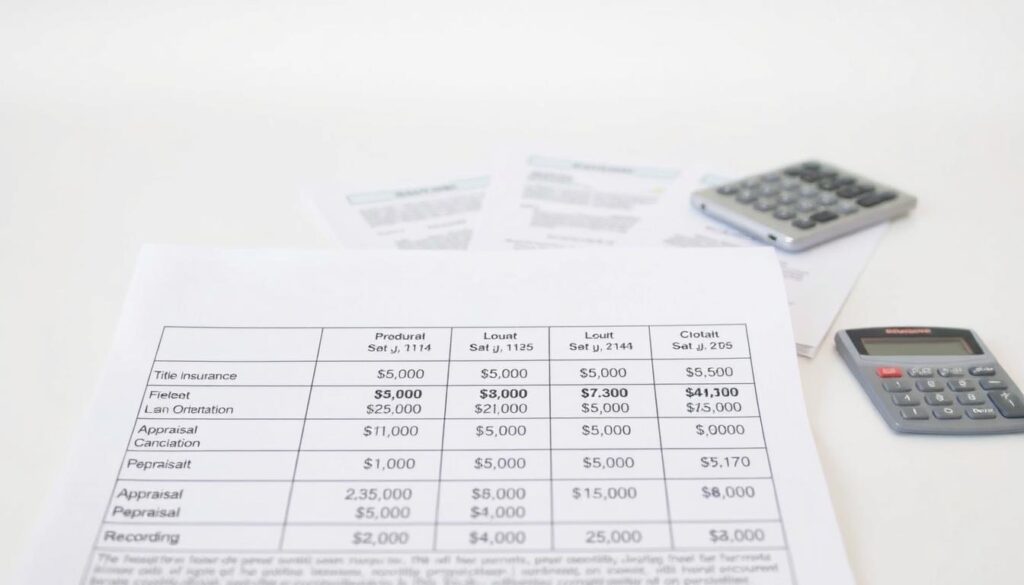
Buying a home is more than just the price. You’ll face closing costs that can be 2% to 7% of the home’s value. These fees are for services that make your purchase official and safe.
Knowing these costs helps you plan your budget. You’ll pay these fees at your closing meeting. Here are the common fees you’ll see.
- Loan origination fees
- Credit report charges
- Appraisal costs
- Underwriting fees
Third-party services ensure your property is legally good. Title insurance protects against ownership issues. Attorney fees are for legal documents. Survey costs check property boundaries.
Prepaid expenses include:
- Homeowner’s insurance premiums
- Property taxes
- Mortgage interest
Some fees might seem too high or unnecessary. These are called “junk fees.” You can often negotiate these down or ask to remove them.
Always check your Loan Estimate carefully. Compare fees from different lenders. Ask about any fees you don’t understand.
| Fee Type | Typical Cost Range | Negotiability | Purpose |
|---|---|---|---|
| Loan Origination | 0.5% – 1% of loan | Medium | Lender processing fee |
| Appraisal | $300 – $500 | Low | Property value assessment |
| Title Insurance | $700 – $1,000 | Medium | Ownership protection |
| Attorney Fees | $500 – $1,500 | High | Legal document preparation |
| Recording Fees | $100 – $250 | Low | Official document filing |
Some fees are fixed, while others can be changed. Government fees and taxes can’t be negotiated. But, lender and third-party fees might be negotiable.
Ask your lender about negotiable fees. You might save money by choosing your own service providers.
Be ready to pay with a cashier’s check or wire transfer at closing. Your lender will give you a Closing Disclosure three days before. Check this against your Loan Estimate.
If you see unexpected fees, ask questions. Your real estate agent can help you understand which fees are fair. Being informed helps you make smart financial choices.
What Happens on Closing Day
Closing day marks the end of your home buying journey. It’s when you officially become a homeowner. Knowing what to expect at closing makes the process smoother.
Closings usually last about an hour. You’ll meet with the closing agent, your real estate agent, and sometimes the seller. Bring your ID and a cashier’s check for any remaining costs.
The closing agent will walk you through each document. You’ll review the Closing Disclosure carefully. This form outlines your loan terms and costs.
You’ll sign several key papers. The promissory note is your promise to repay the loan. The mortgage or deed of trust gives the lender a security interest in your property.
The deed transfers ownership from the seller to you. Double-check that your name is correct on all documents. If you have questions, don’t hesitate to ask.
After signing, the closing agent will arrange for fund transfers. The lender sends the loan money to the agent. The agent then pays the seller and other parties.
Once everything is signed and funds are transferred, you’ll get the keys to your new home! This moment makes all the paperwork worth it.
Remember, what to expect at closing includes patience and attention to detail. Take your time reviewing each document. This ensures you understand what you’re signing.
Congratulations! You’ve successfully navigated the closing process and are now a proud homeowner. The journey from offer to keys is complete, and your new chapter begins.
Signing Documents and Getting the Keys
The moment has arrived! Your home closing day ends with the most exciting part – signing the final documents and getting your keys. This is when your dream of homeownership becomes real.
During the signing process, you’ll review and sign many important documents. Take your time reading each page carefully. Don’t hesitate to ask questions if anything seems unclear.

The most critical document is the mortgage note. This legally binds you to repay your home loan. Once signed, you become fully responsible for the mortgage payments.
Other essential documents include the deed of trust and closing disclosure. These outline your loan terms and final costs. Verify that all numbers match what you expected.
After all documents are signed and notarized, the magic happens! The seller officially transfers ownership by handing over the keys. This typically includes:
- House keys for all exterior doors
- Garage door openers and remotes
- Mailbox keys if applicable
- Any security system codes or devices
This key exchange represents the official transition from buyer to homeowner. It’s a moment worth celebrating! You’ve successfully navigated the entire home closing process.
Remember to keep all your signed documents in a safe place. You’ll need them for tax purposes and future reference. Congratulations on your new home!
Troubleshooting Last-Minute Issues
Even with careful planning, unexpected challenges can pop up right before your closing day. Don’t panic! Most last-minute issues have solutions that can keep your home purchase on track.
Common problems include repair issues discovered during the final walk-through, delays in funding approval, or paperwork discrepancies. Knowing how to handle these situations can save you stress and potentially your earnest money deposit.
During your final walk-through, you might find new damage or incomplete repairs. This doesn’t automatically mean your deal is doomed. You have options like requesting repairs be completed before closing or negotiating a credit toward your closing costs.
Funding delays can happen when last-minute documentation is needed or there are processing hiccups. Stay in close contact with your lender and be prepared to provide any additional information quickly.
Document errors are more common than you might think. Names spelled wrong, incorrect dates, or missing signatures can all cause delays. Carefully review every document and ask questions about anything that seems incorrect.
Your purchase contract likely includes contingency clauses that protect you. These might include inspection contingencies, financing contingencies, or appraisal contingencies. If major issues arise, these clauses may allow you to back out without losing your earnest money.
If you need to back out without a valid contingency, you could forfeit your earnest money deposit. This is why understanding your contract terms is so important before closing day approaches.
| Common Issue | Possible Solution | Timeline Impact | Cost Implications |
|---|---|---|---|
| Final walk-through problems | Request repairs or cost credit | Minor delay (1-3 days) | Potential reduction in closing costs |
| Funding delays | Provide requested docs immediately | Varies (1-7 days) | None if resolved quickly |
| Document errors | Request corrections from title company | Minor delay (1-2 days) | None typically |
| Unexpected closing costs | Review with lender and title company | Possible brief delay | May need additional funds |
If you encounter significant issues, you can request a closing extension. Most parties are willing to accommodate reasonable requests, even when unexpected problems arise. Communication is key – keep everyone informed about any challenges.
Remember that some last-minute closing costs adjustments are normal. Your final numbers might change slightly from initial estimates. Your lender should provide a closing disclosure that outlines all final closing costs at least three days before your scheduled closing.
Stay organized and keep all your documents in one place. Having quick access to your paperwork can help resolve issues faster. Don’t hesitate to ask questions – your real estate agent and lender are there to help you through this process.
With the right approach and good communication, most last-minute issues can be resolved without derailing your home purchase. Keep perspective and remember that these challenges are often just temporary bumps on your path to homeownership.
After-Closing Checklist
Your closing day is over, but your journey as a homeowner has just started. You need to know what comes next. The county records the sale, and the seller gets their money.
Keep all your closing documents safe. Update your utilities like electricity and water. Also, change the locks for better security. Don’t forget to keep your homeowner’s insurance active. For more tasks, check out this after-closing checklist.
These steps will help you settle into your new home smoothly. Enjoy this new chapter in your life.