
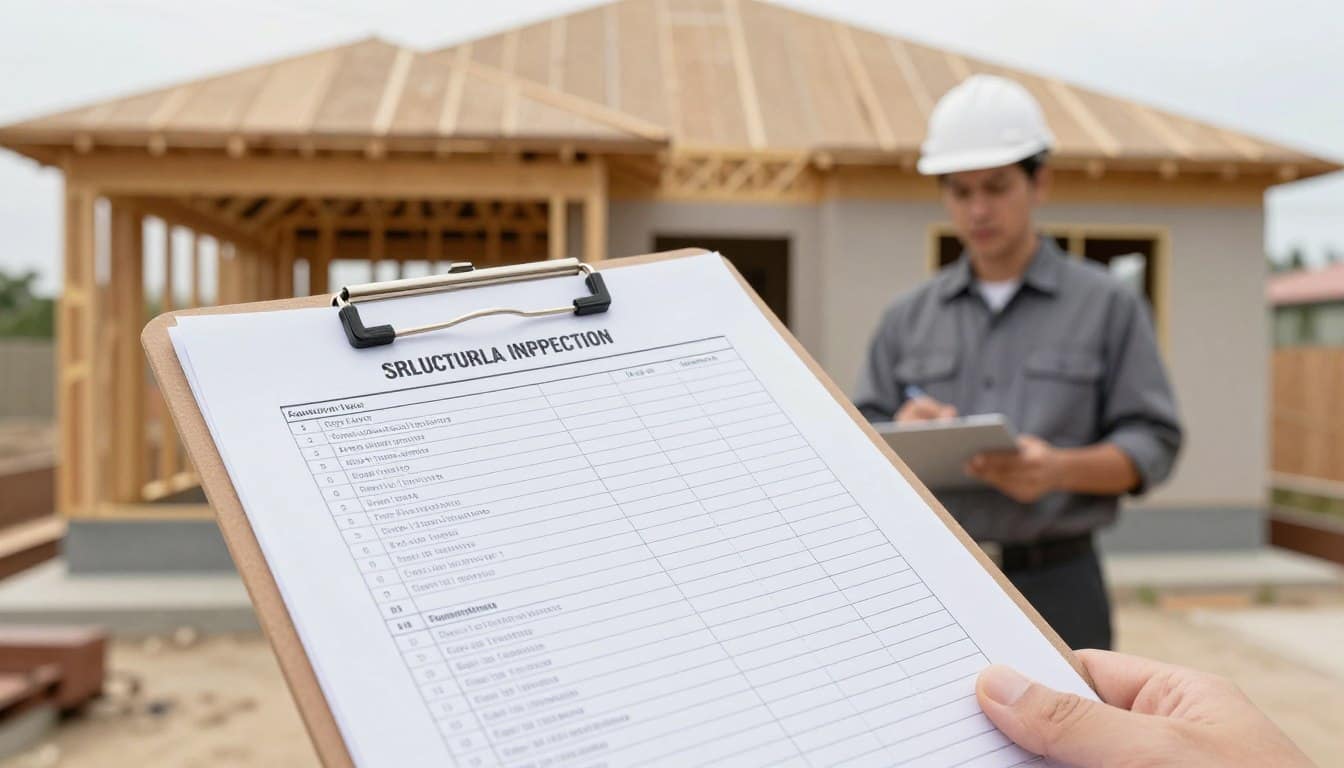
Buying a new home is thrilling. You might dream of paint colors and furniture. But smart buyers check the property’s foundation first. A detailed home inspection checklist is key to finding out what’s really there.
First, experts examine the house’s foundation and structure. This is the core of safety and value.
They use a inspection checklist to spot cracks in walls and floors. They look for water damage or soil shifts. These signs can mean big repair costs.
Inspectors also watch for uneven floors and sticking doors. These signs show foundation stress. They check beams and look for pests.
Knowing what’s checked helps you ask the right questions. It lets you make a smart choice about your investment.
Roof, plumbing, and electrical systems
Exploring the roof, plumbing, and electrical systems shows the heart of any home. These are key house inspection items that keep your home safe, dry, and working right. Inspectors will carefully check each one for signs of wear, damage, or possible failure.
The roof is your first defense against the weather. Inspectors check the roof’s age and material to guess how long it will last. They look for missing, cracked, or curled shingles that could let water in. They also check flashing around chimneys, vents, and skylights for leaks.
Inspectors also check for sagging, which can mean structural problems. They might use thermal imaging cameras to find hidden moisture. They also check attic ventilation and insulation to prevent ice dams and roof decay.
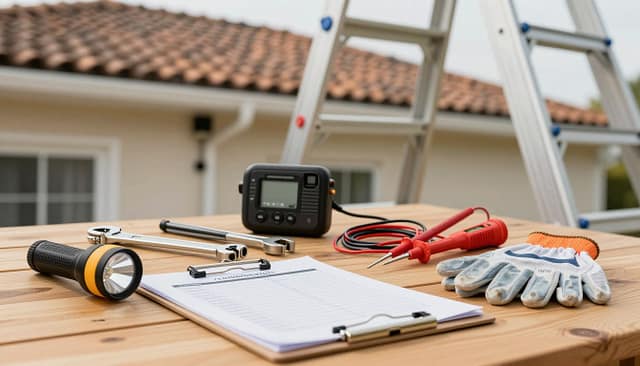
Inside, the plumbing system is thoroughly tested. Inspectors check water pressure at faucets to make sure it’s strong. They run showers and flush toilets to check drains and listen for gurgling. They also look for leaks or stains under sinks and around toilets.
The water heater’s age, condition, and safety features are checked. Corrosion on pipes, common in older homes, is a big warning sign. Inspectors look at the piping material, as some, like polybutylene, fail often. Slow drainage can mean blockages or venting problems.
The electrical system is all about safety. Inspectors check the main service panel for its condition and capacity. Some older panels can be fire hazards and need to be replaced. Each circuit breaker is tested to make sure it works right when there’s a fault.
Inspectors use special tools to test outlets for correct wiring and grounding. They look for outdated wiring like knob-and-tube or aluminum, which is dangerous. They might use thermal imaging to find overloaded circuits in walls.
| System | Key Inspection Points | Typical Concerns Found |
|---|---|---|
| Roof | Material age & condition, shingles, flashing, gutters, attic ventilation | Missing/damaged shingles, leaks, sagging, poor insulation |
| Plumbing | Water pressure, visible leaks, drain speed, water heater, pipe material | Low pressure, active leaks, slow drains, corroded pipes, old water heater |
| Electrical | Main panel, circuit breakers, outlet testing, GFCI protection, wiring type | Outdated/faulty panel, overloaded circuits, ungrounded outlets, aluminum wiring |
Knowing about these systems helps you as a buyer. A detailed report on these house inspection items lets you negotiate repairs or plan for updates. For a full guide, check our home inspection checklist for buyers.
No house is perfect. The goal is to find issues so you can make a smart choice about your new home.
Interior safety concerns
Moving indoors, the inspector becomes a detective for livability. They check everything from the floors to the air you breathe. This deep dive is key for any inspection checklist homebuyers use.
Inspectors look at walls, ceilings, and floors closely. They search for cracks, water stains, or uneven signs. These signs can show hidden problems with plumbing, foundation, or past leaks.
Every door and window is tested for smooth opening and proper sealing. A sticking door or a window that won’t lock is more than a problem. It can mean security risks and high energy costs.
Safety is a top priority inside the home. Stair railings are checked for strength and height. The inspector also makes sure smoke and carbon monoxide detectors are working right. These are essential for family safety.

The often-forgotten spaces tell an important story. In the attic, they check insulation and ventilation. Good airflow here stops mold and keeps temperatures right. In crawlspaces, they look for moisture, pests, and structural strength.
If appliances are included, they are tested. The dishwasher, oven, and fridge are checked. They also look at the age and condition of the garbage disposal and exhaust fans.
Bathrooms get extra attention. Fixtures are checked for leaks and drainage. Tile and grout around tubs and showers are inspected for water damage. A strong, quiet exhaust fan is key to venting moisture and stopping mold growth.
To help visualize the scope of an interior review, here is a breakdown of key areas. This table serves as a useful interior inspection list for reference.
| Area of Focus | What Inspectors Look For | Why It Matters to Homebuyers |
|---|---|---|
| Structural Surfaces | Cracks, stains, sagging in walls, ceilings, and floors. | Indicates foundation issues, water damage, or pest activity. |
| Doors & Windows | Smooth operation, locking function, and seal integrity. | Affects home security, energy bills, and prevents drafts. |
| Safety Features | Sturdy stair railings and functional smoke/CO detectors. | Directly impacts the safety of all household members. |
| Attic & Crawlspace | Adequate insulation, ventilation, and absence of moisture. | Controls energy costs and prevents mold and wood rot. |
| Kitchen Appliances | Operational status of included fridge, stove, dishwasher, and disposal. | Identifies immediate repair needs and future replacement costs. |
| Bathrooms | Fixture operation, tile condition, and exhaust fan performance. | Prevents costly water damage and ensures a healthy environment. |
Understanding these interior points clarifies the core purpose of a home inspection. It’s not about finding fault. It’s about giving you a clear, honest picture of your new home’s condition. A thorough interior review on your inspection checklist empowers you, the homebuyer, to make confident decisions.
Exterior property inspection points
Inspectors carefully walk around the property, checking a list of exterior house inspection items. This is like a complete check-up for the home’s shield. They look for any weaknesses that could let in water, wind, or pests.
Your home’s exterior is a complex system. Each part, from the roof edge to the ground, must work together. A problem in one area can often cause trouble in another.
Siding, trim, and exterior materials get a close look. Inspectors search for cracks, rot, or loose pieces. They check the paint and caulking for wear. Damaged siding can let moisture in and cause hidden rot.
Windows and doors are checked for two main things. First, inspectors test their operation to ensure they open and close smoothly. Second, they examine the seals and weatherstripping for gaps that cause drafts. Good seals keep your energy bills lower and your home more comfortable.
The foundation is reviewed from the outside. Inspectors look for cracks, bowing, or signs of water staining. They also check where different materials meet the foundation. Cracks here can be an entry point for water or insects.
Any decks, porches, or stairs are evaluated for safety. This includes checking the stability of railings and posts. Inspectors look for rot in wooden supports and ensure fasteners are secure. A wobbly deck is a serious safety hazard.
Perhaps the most critical exterior check is for proper drainage. Inspectors analyze the grading—the slope of the land around your home. The ground should slope away from the foundation. They also check that gutters and downspouts are clear and direct water several feet away from the house. Poor drainage is a leading cause of basement leaks and foundation issues.
Chimneys and roof vents are also on the list. Inspectors look for cracked masonry on chimneys and ensure vent caps are in place. These features need to be sound to vent gases safely and prevent animal entry.
| Inspection Area | Common Issue Found | Why It Matters |
|---|---|---|
| Siding & Trim | Cracked, rotten, or loose materials; failing paint/caulk. | Allows moisture intrusion, leading to wood rot, mold, and insect damage inside walls. |
| Windows & Doors | Failed seals, difficult operation, damaged screens. | Creates drafts (energy loss), allows water ingress, and compromises home security. |
| Grading & Drainage | Ground sloping toward the house; clogged or missing gutters. | Channels water toward the foundation, causing basement dampness, cracks, and structural stress. |
| Decks & Porches | Loose railings, rotted support posts, corroded fasteners. | Poses a significant fall risk and can lead to sudden collapse if not repaired. |
Understanding these exterior house inspection items helps you see your home as an inspector does. It’s not just about curb appeal. It’s about identifying small problems before they become expensive, big ones. A solid exterior means a safer, drier, and more efficient home for years to come.
Understanding inspection reports
Your home inspection checklist leads to a key document: the inspection report. A good report gives clear details, photos, and lists findings from major to minor issues.
Use this report to ask your inspector smart questions. Be there when they review it to take notes. This info helps you decide what to do next.
You can ask for a lower price, repairs, or a cash credit to fix things yourself. For big problems, you can even back out before a deadline.
Keep in mind, a standard inspection has its limits. It doesn’t cover pest damage, sewer scopes, or tests for radon and mold. These need special experts.
Choosing a qualified inspector from groups like ASHI or InterNACHI is wise. Look at sample reports and understand costs. A detailed report helps you move forward confidently.