

Buying a house is a big deal. In today’s fast market, some skip the professional check. But now, it’s a crucial tool for making a smart choice.
It’s like a comprehensive examination by an expert. They check everything from the roof to the foundation. This detailed look shows the true condition of your future home.
The main goal is to be your unbiased safety net. It’s not about finding problems. It’s about finding facts that help you. A thorough check can prevent costly surprises later.
This knowledge gives you power. You can ask for repairs or a better price before you buy. If big issues are found, a home inspection contingency lets you back out without losing money.
In short, this step is your ally for a confident buy. It turns doubt into clarity and guards your investment.
What inspectors evaluate
Let’s explore a typical home inspection checklist, room by room and system by system. This way, you’ll know what to expect. A licensed inspector does a visual check of the home’s accessible areas. Their goal is to give you a clear picture of its current state.
The review starts with the roof. The inspector checks the roof’s covering for wear, damage, or improper installation. They also look at flashing around chimneys, vents, and skylights, as these are common leak sources. Gutters and downspouts are checked for proper function and drainage away from the foundation.
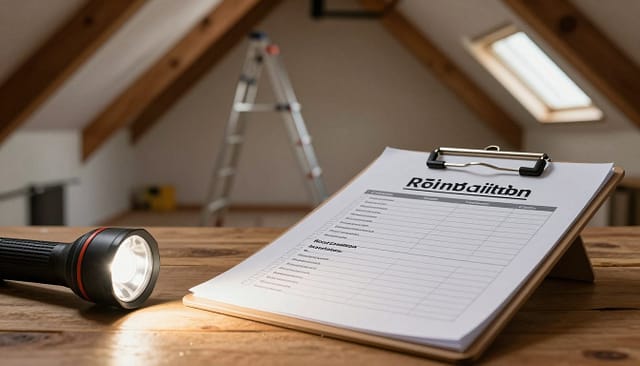
Next, they check the attic, if it’s accessible. Here, they focus on the roof structure from the inside, ventilation, and insulation. Proper attic ventilation is key for preventing ice dams in winter and reducing cooling costs in summer.
Moving to the exterior, the inspector examines siding, trim, paint, and masonry for cracks or decay. They also assess decks, porches, and stairs for safety and stability. The soil around the foundation is checked to ensure water flows away from the house.
Inside, the evaluation covers walls, ceilings, and floors for signs of water damage, cracks, or unevenness. The operation of a representative number of windows and doors is tested. They should open, close, and lock properly.
The core systems that make a house livable get thorough attention. For plumbing, the inspector tests water pressure and looks for leaks at fixtures. They identify the pipe materials and check the water heater for age, installation, and safety.
The electrical system review includes checking the main service panel for safety, testing outlets, and verifying the presence of Ground Fault Circuit Interrupters (GFCIs) in wet areas like kitchens and bathrooms. The heating and cooling systems are operated to see if they function correctly. The inspector will note the age and condition of the furnace and air conditioner.
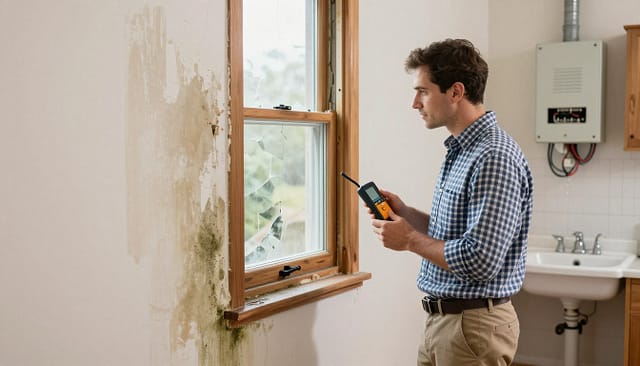
The foundation and basement are critical. The inspector looks for cracks, bowing, or signs of water intrusion. They check for evidence of past or present moisture issues, which can lead to mold. Structural components like beams, joists, and columns are examined for integrity.
An inspector also tests built-in appliances like the oven, dishwasher, and garbage disposal. They look for visible evidence of health and safety concerns. This includes signs of mold, mildew, or wood-destroying pests like termites. Many inspectors also offer optional tests for radon gas or water quality.
This detailed home inspection checklist provides a clear framework for the evaluation. For a more detailed breakdown of a home inspector’s, you can explore specific guides. Understanding this process highlights the core purpose of an inspection: to inform your decision with facts about the property’s condition.
Common problems inspectors find
No house is perfect, and a professional inspection will almost always uncover a few issues. Think of this part of your house inspection guide as a way to learn what’s typical. The goal isn’t to find a flawless home, but to understand what you’re buying.
The key is knowing the difference between minor wear-and-tear and major red flags. This knowledge helps you decide what to ask the seller to fix, what you can handle yourself, and when you might need to walk away.
These are the problems that can be deal-breakers. They are often expensive to repair and can pose serious risks. Your inspector will note these as high priority.
- Structural or Foundation Issues: Cracks in the foundation, sagging floors, or bowing walls are serious. They can affect the entire stability of the house and lead to very costly repairs.
- Active Roof Leaks: A leaky roof causes immediate water damage. An older roof that’s not leaking is one thing, but active leaks need urgent attention.
- Critical Electrical Problems: A rusted bar in the main electrical panel is a fire hazard. This is very different from a bathroom outlet that isn’t up to current code but works safely.
- Faulty Heating Systems: A furnace with a cracked heat exchanger can leak dangerous carbon monoxide into your home. This is a critical safety issue, not just a need for a simple cleaning.
Minor Issues and Routine Maintenance
These findings are very common. They represent the normal aging of a home and give you a handy “honey-do” list for after you move in.
- Older but Functional Roof: The inspector may note the roof is near the end of its life but has no active leaks. You’ll just need to budget for a replacement in the coming years.
- Dirty Filters and Minor Repairs: A furnace that needs a new filter or cleaning is a simple, low-cost fix. So are things like a dripping faucet or a loose door handle.
- Outdated but Safe Components: That bathroom outlet without GFCI protection might not meet today’s code, but it isn’t an immediate danger. Upgrading it is a good idea for modern safety.
- Cosmetic Flaws: Things like cracked driveway pavement, worn carpet, or minor paint chips are part of homeownership and are easy to address over time.
Using this practical house inspection guide to categorize problems takes the panic out of reading your report. It lets you focus your negotiation on the big-ticket items that matter most for safety and value. For a deeper look at the entire process, our resource on understanding the home inspection process is a great next step.
How long inspections take
Many homebuyers wonder, “How long will the inspection take?” Knowing this helps you plan better and feel less stressed. The home inspection process has a clear timeline from booking to getting the report.
Book your inspection two to three weeks before you want it. Inspectors get busy, so planning ahead is key. This way, you ensure a qualified inspector is available when you need them.
Set aside two to four hours for the inspection. A standard home inspection takes two to three hours. Bigger or older homes might need more time.
It’s a good idea to be there during the inspection. You can ask questions, see problems, and learn about your home. It’s a chance to understand your future home better.
After the inspection, the inspector writes a detailed report. You’ll get this report in one to three days. Most inspectors aim to send it within 24 to 72 hours.
Here’s a quick summary of the key timeframes:
- Scheduling: Book 2–3 weeks in advance.
- On-Site Duration: Plan for 2–4 hours on the day.
- Report Delivery: Receive findings within 1–3 days.
Knowing the inspection timeline helps you coordinate with your agent, seller, and lender. A well-planned inspection is key to a confident home purchase.
What happens after the inspection
Your home inspection is done, and you have the report. Now, it’s time to take action. Start by carefully looking over your detailed home inspection checklist.
Go through each item on the list. Identify minor fixes from major safety or structural problems. This helps you figure out what to do next.
You have a few options. You can ask the seller to fix problems. Or, you can ask for a lower price to cover future costs. If the issues are too big, you can choose to back out using your inspection clause.
Focus on big problems like old wiring, foundation cracks, or a failing roof. Asking for every small issue might not be practical.
Work with your real estate agent to make a fair repair request. A good negotiation can get you to the closing table, ready to enjoy your new home.