
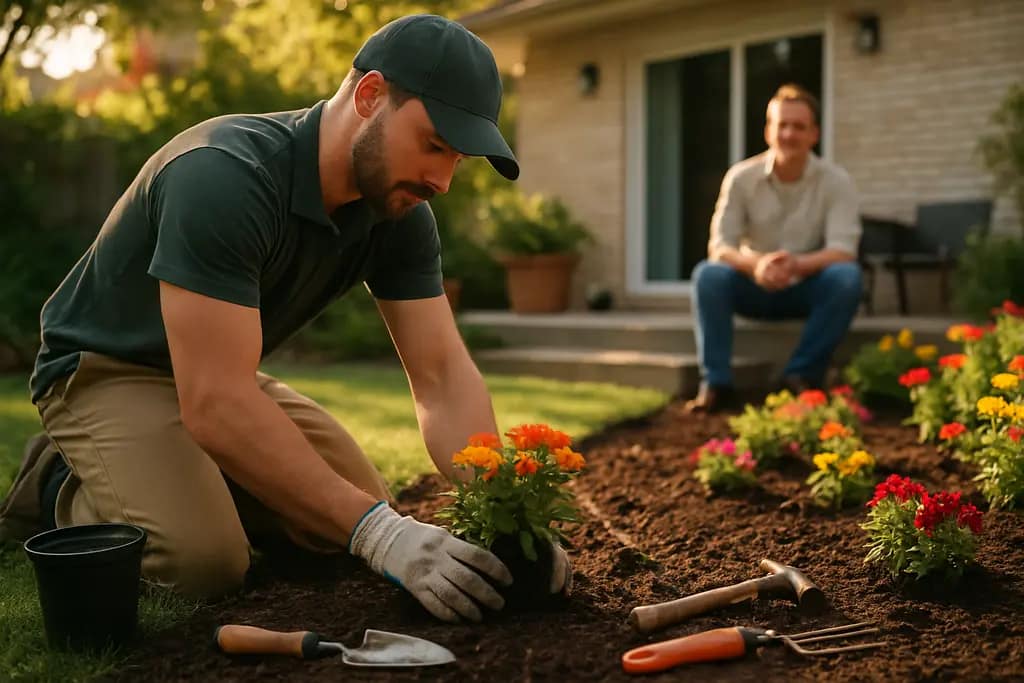
Professional Outdoor Installations are becoming a larger part of outdoor renovation planning because many projects now involve more than plants, patio furniture, or cosmetic updates. Homeowners are asking yards to support daily use, shade, cooking, seating, lighting, and harder-working surfaces. That shift can raise the safety, permitting, and coordination demands of the work.
The data points in the same direction. Houzz reported that 71% of renovating homeowners hired professional help for outdoor projects in 2026, up from 65% in 2024, according to Houzz outdoor trend data. That does not mean every yard project needs a contractor. It does mean homeowners should treat scope, risk, and durability as planning issues before assuming a weekend DIY approach is enough.
Why Professional Outdoor Installations Are Rising
The 2026 Hiring Signal
The move toward Professional Outdoor Installations is not just a style preference. Houzz’s 2026 outdoor renovation findings show a clear increase in hiring, with more than seven in ten outdoor renovators using professional help. That is a notable change over two years and suggests homeowners are responding to larger, more coordinated project scopes.
Some of that shift may come from the type of outdoor work being planned. A yard refresh that involves mulch and container plants is different from a project that combines hard surfaces, fencing, drainage decisions, built-in seating, paint, masonry, and lighting. The more trades that touch the same area, the more important sequencing becomes. Poor sequencing can lead to rework, damaged finishes, or safety issues that are expensive to correct.
Specialties Show Scope Creep
The types of professionals hired also tell a useful story. Houzz identified landscaping contractors as the most commonly hired group at 26%. Masonry, stone, and paver professionals accounted for 20%, general contractors 17%, landscape architects or designers 15%, painters 10%, and fencing specialists 8%.
Those categories point to outdoor renovations that are no longer limited to soft planting work. Hardscape, fencing, coatings, design, and general construction coordination can all affect how a finished space performs. If one part fails, the problem may not stay isolated. Water movement, uneven surfaces, unstable structures, poor clearances, and weather exposure can affect comfort and safety.
What The Spending Data Says
Pro Spending Is Not Just An Outdoor Story
Broader remodeling data supports the same caution. Harvard’s Joint Center for Housing Studies reported that total homeowner improvement spending rose 22% between 2021 and 2023, while professionally installed projects grew 28% to $340 billion and reached 84.1% of improvement spending; DIY accounted for 15.9% of spending in that period, according to Harvard remodeling research.
That Harvard figure covers home improvement broadly, not outdoor renovations alone. Still, it is relevant because it shows that homeowner spending has been concentrating in professional work across the repair and improvement market. Outdoor projects fit into that wider pattern when they involve heavier materials, permanent structures, site grading, specialized tools, and multiple trades.
Motivation Has Shifted Toward Use
Houzz also found that comfort and personal use became a more common primary reason for outdoor renovations in 2026, rising to 25% from 22% in 2024. Resale value as the main motivation fell to 15% from 18% over the same comparison.
That matters for planning. A project built mainly for daily use needs to work safely and predictably for the household, not just look appealing in listing photos. Shade, seating, pathways, cooking areas, fences, and surfaces should be judged by maintenance, drainage, access, durability, and safe use. If the project is meant to serve children, older adults, pets, guests, or frequent meals outside, a weak installation choice can create daily friction.
For homeowners weighing comfort against possible resale impact, a related discussion of backyard renovation priorities can help frame the decision without treating every upgrade as an investment claim.
Where DIY Still Fits Safely
Professional Outdoor Installations And Risk Control
Professional Outdoor Installations make the most sense where mistakes can create safety risks, water problems, code issues, or costly tear-outs. Structural shade covers, retaining elements, major paver work, drainage changes, gas lines, permanent electrical features, plumbing for outdoor kitchens, and elevated decks should be treated as higher-risk work. Homeowners should use qualified, licensed professionals where local rules or project hazards require them.
That does not leave homeowners with no role. Many projects benefit from homeowner involvement in planning, product selection, routine maintenance, and low-risk finishing choices. The safer split is to keep high-consequence work with trained pros and reserve DIY for tasks that do not affect structure, utilities, drainage, fire safety, or fall risk.
Low-Risk Tasks Need Boundaries
Simple outdoor tasks can still create problems if they expand beyond the homeowner’s skill, tools, or site conditions. A small planting bed is one thing; cutting into unknown buried lines, altering slope near the foundation, or building permanent supports is another. Before buying equipment, homeowners should ask whether the tool will be used often, whether the work can be done safely, and whether a mistake would damage the property.
For basic tool research around low-risk projects, High Pro Tools serves as a valuable resource within the same network. It provides guidance on whether to buy, rent, or leave certain tasks to a contractor. Tool access should not be confused with project readiness. The safest decision may still be hiring help.
How To Plan A Pro-Led Outdoor Project
Scope Before Style
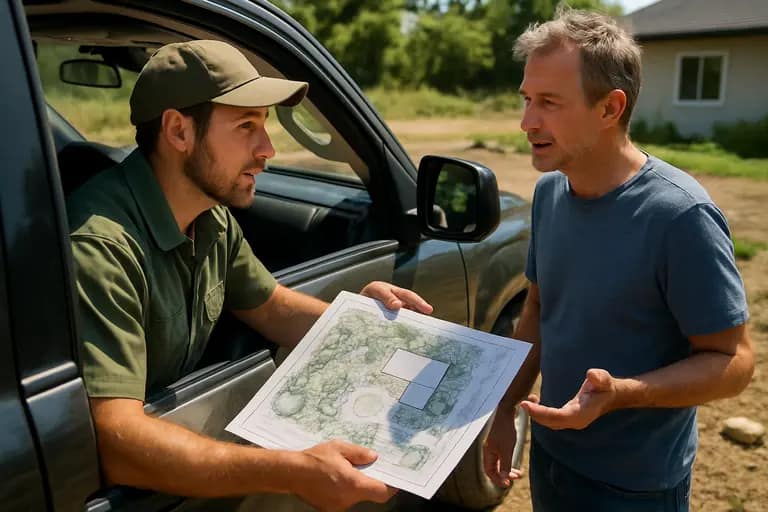
Good planning starts with defining what the outdoor area needs to do. Seating for two people has different requirements than a covered dining space, a built-in cooking area, or a yard designed around frequent gatherings. Homeowners should document the purpose, traffic patterns, weather exposure, maintenance expectations, and budget range before requesting estimates.
Written scope matters because outdoor projects often touch connected systems. A new patio may affect drainage. A fence may affect access. A shade structure may require structural design and local approvals. Outdoor lighting may require electrical work. A cooking area may trigger utility and ventilation questions. Treating these pieces as separate purchases can hide the true project cost.
Questions To Ask Before Signing
Homeowners do not need to become contractors to make better hiring decisions. They do need enough information to compare bids and identify gaps. A low price is not useful if it leaves out site preparation, drainage, permits, disposal, materials, or restoration after work is finished.
- Ask who is responsible for permits, inspections, and utility location steps where required.
- Confirm which parts of the work are handled by employees, subcontractors, or specialty trades.
- Request a written scope that separates materials, labor, site prep, and exclusions.
- Discuss drainage, access, cleanup, warranties, and how change orders are approved.
- Verify licensing and insurance where the project involves regulated or higher-risk work.
Those questions are not about making a project harder. They reduce uncertainty. Outdoor work is exposed to water, heat, freeze-thaw cycles in some regions, soil movement, and daily wear. Clear responsibilities help prevent disputes and make it easier to compare proposals on more than the headline price.
What Professional Outdoor Installations Mean For Homeowners
A Practical Reading For 2026 Plans
A safer reading of Professional Outdoor Installations is that homeowners are matching bigger outdoor ambitions with more professional support. The 2026 hiring data does not prove every project is too difficult for DIY. It does show that many households see enough value, risk, or coordination need to bring in specialists.
For buyers, browsers, and owners comparing homes, outdoor features should be evaluated as installed systems rather than simple amenities. A patio, fence, outdoor kitchen, shade cover, or retaining feature is only as useful as its condition, drainage, materials, and safety. During a home search, visible outdoor upgrades should prompt questions about age, permits where applicable, maintenance, and who performed the work.
Keep The Decision Tied To Risk
The best planning approach is conservative. Use DIY where the work is low-risk, reversible, and within skill limits. Use qualified pros where the project affects structure, utilities, drainage, heavy materials, elevated work, or code-controlled systems. If the scope is unclear, start with an assessment rather than a purchase order.
Outdoor renovations can improve daily life, but they should not be treated as casual add-ons once permanent construction enters the picture. The practical goal is a yard that works safely, drains properly, holds up under weather, and fits the way the household uses the property. That outcome is more likely when the hiring decision follows the risk level of the work, not just the homeowner’s confidence or the project photos that inspired it.