

Backyard Renovations are increasingly being planned around daily comfort rather than a future listing photo. That does not mean resale value should be ignored. It means homeowners have to separate what makes the space easier to live in from what a future buyer might be willing to pay for, then decide how much risk and maintenance they are willing to take on.
The available 2026 data points in a clear direction: outdoor projects are becoming more personal. Seating, lighting, gathering areas, and professional help are showing up often. For homeowners, the practical question is not whether comfort or resale is right. The better question is how to build a useful outdoor space without overbuilding, creating safety issues, or assuming a dollar-for-dollar return that the data does not prove.
Why Backyard Renovations Are Becoming Personal
Outdoor projects often begin with a simple problem: the yard exists, but the household does not use it much. That can happen because there is no comfortable seating, no shade, poor lighting, awkward circulation, limited privacy, or too much maintenance. A resale-focused plan may prioritize visual impact, while a comfort-focused plan starts with actual behavior.
What Backyard Renovations Data Shows
Houzz reported that in 2026, 15% of homeowners renovating outdoor spaces cited resale value as their main motivation, down from 18% in 2024. The share focused on making outdoor spaces more personally accommodating rose to 25% in 2026 from 22% in 2024. The same study found that 83% of renovated outdoor spaces include a lounge or seating area, and 71% feature sofas or lounge chairs, according to the Houzz outdoor study.
Those numbers do not prove that every homeowner should spend more on a backyard. They do suggest that comfort has become a leading reason people are changing outdoor spaces. A family that eats outside twice a week may get more practical value from a shaded table and durable chairs than from a showier feature that is rarely used.
For Backyard Renovations, the first planning step should be a use audit. Homeowners can write down how the space is used now, what keeps it from being used more often, and which improvements would remove those barriers. That exercise can prevent a project from becoming a collection of disconnected upgrades.
Resale Value Still Deserves A Seat At The Table
Resale should not drive every choice, but it still matters because outdoor work can be expensive, visible, and hard to reverse. A highly personal feature may be valuable to the current household yet neutral or less appealing to a future buyer. That is especially true if the project reduces usable lawn, creates maintenance obligations, or depends on specialized equipment.
How Resale Fits Without Driving Every Choice
A cautious approach is to separate broadly useful improvements from highly specific ones. Safe walking surfaces, functional lighting, usable seating areas, drainage awareness, and simple maintenance tend to support everyday use without making the property feel overly customized. By contrast, very large entertainment installations, unusual layouts, or materials that require frequent upkeep deserve more scrutiny.
Outdoor cooking areas are a good example of the tradeoff. They can support lifestyle appeal, but scope, utilities, weather exposure, and buyer expectations vary by market. Homeowners weighing that choice can compare the comfort case with the resale case in this related discussion of outdoor kitchens and resale value.
The safer assumption is that comfort value and resale value are not the same thing. Comfort value is felt by the household using the space. Resale value depends on local buyer demand, condition, design fit, and broader market timing. No single national trend can predict what one buyer will pay for one backyard.
Comfort Features Should Be Planned Around Use
Comfort-focused outdoor work is not only about adding furniture. It is about matching the space to the household’s routines. A quiet morning coffee area may need different placement than a dinner space. A reading corner may need shade and privacy more than square footage. A family gathering area may need durable surfaces, safe circulation, and lighting that does not create glare.
Seating, Shade, And Lighting Decisions
Seating should be planned before hard surfaces are expanded. If chairs, tables, or loungers do not fit naturally, the patio or deck may still feel awkward after money is spent. Homeowners should measure furniture, walking space, door swings, steps, and grilling clearance before approving a layout.
Lighting also deserves early planning, not an afterthought. Ultimate Backyard Bars reports that structural projects such as decks, patios, or fences are part of 56% of outdoor renovations, while 77% of homeowners include lighting in outdoor or exterior system renovations, according to its outdoor living statistics.
Those two trends are connected in practical terms. Once a deck, patio, fence, or pergola is built, lighting choices may become harder or more expensive to change. Low-voltage lighting, exterior-rated fixtures, and safe switching locations should be discussed with a qualified professional when wiring, trenching, or new circuits are involved. Homeowners should not improvise electrical work outdoors, where moisture exposure raises the safety stakes.
| Project Choice | Comfort Question | Resale Caution |
|---|---|---|
| Seating Area | Will people actually sit here during the hottest or coldest part of the day? | A crowded layout can make the yard feel smaller. |
| Lighting | Does it improve safe movement after dark? | Poor fixture placement can create glare or extra maintenance. |
| Patio Or Deck | Is the size based on furniture and circulation? | Overbuilding can reduce flexible yard space. |
| Outdoor Kitchen | Will it be used enough to justify utilities and upkeep? | Specialized features may not appeal equally to buyers. |
Safety And Scope Shape The Real Project Cost
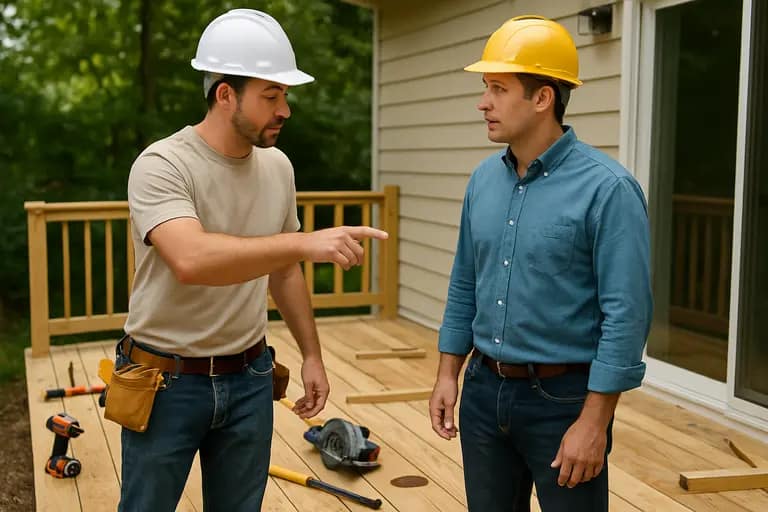
A comfort-first plan can still fail if scope is underestimated. Outdoor projects touch drainage, grading, footings, steps, railings, electrical systems, gas lines, plumbing, fencing, and property boundaries. Some tasks may look simple in a design sketch but require permits, inspections, or licensed trades depending on local rules.
Where Backyard Renovations Need Professional Help
Houzz reported that 71% of homeowners hired professionals for outdoor renovation work in 2026, up from 65% in 2024. That shift is not surprising given the amount of structural and systems work showing up in outdoor projects. Homeowners may be comfortable assembling furniture, planting containers, or choosing finishes, but decks, retaining structures, exterior wiring, gas appliances, major grading, and plumbing should be handled by qualified contractors.
Project planning tools can help homeowners organize measurements, materials, and questions before meeting contractors. For general home project resources from a related site in the same network, visit highprotools.com for comprehensive guides and tips.
A careful contractor conversation should include drainage, load requirements, slip resistance, lighting safety, product ratings for exterior exposure, maintenance expectations, and whether local permits are needed. Homeowners should ask for written scopes that identify who is responsible for permits, utility coordination, cleanup, and warranty information.
- Start with the problem the yard needs to solve, such as shade, seating, access, privacy, or safer movement.
- Set a firm project boundary before adding secondary features.
- Use qualified professionals for electrical, gas, plumbing, structural, grading, and major deck or patio work.
- Choose materials based on climate exposure, maintenance needs, and safe use, not appearance alone.
- Keep resale expectations cautious unless a local real estate professional can speak to buyer demand in that market.
Backyard Renovations Work Best With Clear Priorities
Backyard Renovations work best when comfort goals are specific and resale expectations stay realistic. The 2026 data shows homeowners placing more emphasis on personal accommodation and less emphasis on resale as the main reason for outdoor work. That trend supports a practical planning approach: build for real use, but avoid choices that create unnecessary cost, maintenance, or safety concerns.
The strongest outdoor plans usually begin with how people move, sit, eat, relax, and see after dark. Resale remains part of the decision, but it should not justify overspending on a feature the household will rarely use. A measured project that improves daily life, respects safety limits, and keeps scope under control is more defensible than a project built around uncertain future buyer reactions.