
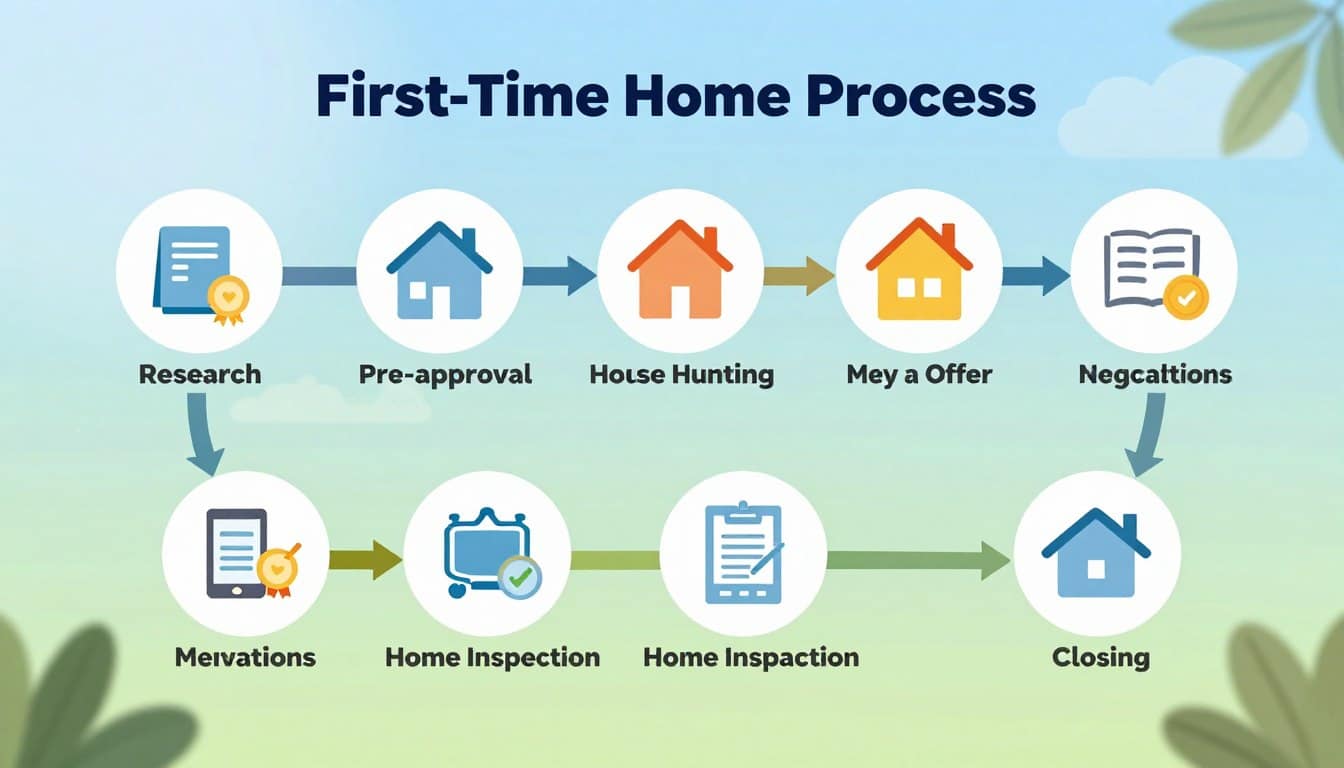
Finding your dream home is exciting. The next big step is the home offer process. This is where your journey to homeownership truly begins, blending your financial readiness with important legal steps.
A formal purchase agreement is more than just a price. It includes key details like your proposed purchase price, the deposit amount, your desired closing date, and specific conditions. These conditions protect you, often covering a professional home inspection and final mortgage approval.
Understanding the general timeline is key. There are set time frames for the seller to respond, for you to complete inspections, and to secure your financing. A successful offer balances your need for protection with creating a proposal that appeals to the seller.
This guide walks you through each part, turning a complex procedure into a clear roadmap. For more detailed planning, our comprehensive home buying guide is a great resource. Let’s demystify what happens when you’re making an offer on a house.
Preparing financially before making an offer
Think of financial preparation as your secret weapon when it’s time to make an offer on your dream home. It’s not just about checking a box. It’s about building confidence to act quickly and decisively in a competitive market. A strong financial foundation shows sellers you’re a serious and qualified buyer.
The cornerstone of this preparation is a mortgage pre-approval. This is a lender’s official letter stating how much they are willing to lend you, based on a review of your finances. To get one, you’ll provide documents like recent pay stubs, tax returns, and bank statements. This process gives you a clear budget and turns you from a casual looker into a ready buyer.
Why is this so powerful? In the heat of buying a house offer situations, a pre-approval letter attached to your offer is a game-changer. It tells the seller you are highly likely to secure financing. This can make your buying a house offer stand out against others, even if the purchase price is similar.
Next, you need to know all the numbers beyond the sale price. The two biggest upfront costs are your down payment and closing costs.
- Down Payment: This is the portion of the home’s price you pay upfront. Depending on your loan type, it can range from 3% to 20% of the purchase price. A larger down payment often means better loan terms.
- Closing Costs: These are fees for services like the appraisal, title search, and loan origination. They typically add another 2% to 4% to your total cost. Budgeting for this is non-negotiable.
Your credit score and debt-to-income ratio are under the microscope during this process. Lenders want to see a history of responsible credit use and that your monthly debts (including the new mortgage) are manageable. A stable employment history also reassures them of your ability to make payments long-term.
By understanding your exact budget, securing a pre-approval, and saving for all associated costs, you eliminate the biggest unknowns. You transform the buying a house offer process from a stressful guess into a strategic move. When you find the right home, you can submit your offer with clarity and confidence, knowing exactly what you can afford.
Writing a competitive offer
Writing a competitive offer is more than just naming a price. It’s about creating a complete and attractive proposal for the seller. This document, called the Purchase Agreement, is your formal bid to buy the home. Getting it right is key in the home offer process.
Your real estate agent will prepare the offer using a standard form. Every section must be filled out accurately. Key details include:
- The legal names of both you (the buyer) and the seller.
- The complete property address.
- The exact purchase price you are proposing.
- The amount of your earnest money deposit.
- Your desired closing and possession dates.
- Any specific conditions you need to be met.

Setting the right purchase price is a strategy. You and your agent will look at recent sales of similar homes, known as “comps.” You also need to consider the market conditions. In a seller’s market, you might need to offer at or above the asking price. In a buyer’s market, you might have room to negotiate lower.
The offer must include special conditions for your protection. These are often called contingencies. The two most common are the inspection contingency and the financing contingency.
An inspection contingency lets you have the home professionally inspected. If major issues are found, you can usually negotiate repairs or even walk away. A financing contingency makes the deal dependent on you securing a final mortgage approval from your lender.
You have a big choice to make: a firm offer or a conditional offer. A firm offer has no conditions attached. It’s very attractive to a seller because it means the sale is almost guaranteed to close. A conditional offer includes specific contingencies that must be satisfied before the sale is final.
Choosing the right strategy depends on your situation. A firm offer can be powerful in a bidding war but carries more risk for you. A conditional offer provides essential safety nets, which is important for first-time buyers navigating the home offer process.
Understanding contingencies
Many first-time buyers are surprised to learn about built-in escape hatches in real estate. These are called contingencies. They are specific conditions in your purchase agreement that must be met for the deal to be final. They are a normal part of buying a house offer.
Think of these clauses as your financial and legal safety net. They give you a clear way to walk away if something major goes wrong. Including them shows you’re a savvy buyer, not hesitant.

- Home Inspection Contingency: This lets you have a licensed professional examine the property. They check the structure, roof, plumbing, electrical systems, and more. If big, costly problems are found, you can often negotiate repairs, a price reduction, or cancel the contract.
- Financing Contingency: Also called a mortgage contingency, this protects you if your final loan approval falls through. It states that the sale depends on you securing a mortgage with agreed-upon terms. If your loan is denied, you get your earnest money back.
- Sale Contingency: This applies if you need to sell your current home to afford the new one. It makes your purchase dependent on the successful closing of your existing property’s sale. It’s less common in competitive markets but can be essential for some buyers.
It’s a common myth that contingencies make your offer look weak. In reality, they are a standard practice that safeguards your largest investment. You can even use a clean, reasonable set of contingencies to show sellers you are a serious and prepared buyer.
Understanding these clauses is fundamental to navigating the process confidently. For a deeper dive into how these protections work, you can explore this guide on home buying contingencies explained.
Once your offer with its contingencies is submitted, the real action begins. Knowing your rights upfront makes the subsequent steps, covered in guides like making an offer on a home, much less stressful.
What happens after submitting an offer
After you submit your offer, the process keeps moving. The seller might accept, reject, or make a counter-offer. This starts a negotiation to find terms that work for everyone.
When your offer is accepted, you enter a key phase. You’ll schedule a professional home inspection. This checks the property’s condition.
Your lender will work to finalize your mortgage approval. You also need to get a homeowners insurance policy.
A final walk-through of the house happens just before closing. This ensures the property is in the agreed-upon condition. All these steps lead to the closing table. For a detailed guide on that final meeting, learn about the final steps of the home closing.
Knowing what comes next brings clarity. You can navigate the final part of your home offer process with confidence. Soon, you’ll be holding the keys to your new home.