

Home Renovation Values are becoming harder for buyers to judge because many owners are improving the homes they already have rather than moving. That shift does not make every remodeled listing more valuable, but it does change what buyers are likely to see: more updated kitchens, improved workspaces, refreshed outdoor areas, aging-in-place features, and layout changes meant for daily use rather than resale alone.
For a buyer, the key question is not whether a renovation looks recent. The better question is whether the work improves condition, function, safety, and market fit enough to support the asking price. A renovated home can reduce near-term project burden, but it can also include design choices that are expensive and personal. That makes a cautious, evidence-based review more useful than assuming every upgrade deserves a premium.
Renovating Instead Of Moving Is Changing Buyer Signals
What Recent Owner Behavior Shows
Recent survey data points to a sizable group of homeowners choosing improvement over relocation. As of April 2026, Redfin reported that 43% of U.S. homeowners had renovated their home in the past year, while 33% planned to renovate in the next year. Among those who had renovated recently, 65% said they upgraded their current home rather than move, according to Redfin renovation data.
Houzz reported a similar signal from a different survey base: 54% of homeowners said they renovated in 2025, with median renovation spend stable at about $20,000. The same study reported that high-end spenders at the 90th percentile increased spending to about $150,000, according to the 2026 Houzz and Home Study.
Why Staying Put Matters To Buyers
When many owners improve instead of sell, buyers may encounter homes that have been customized around the current owner’s routines. That can be positive if the work solves common issues: better storage, safer entries, improved lighting, more durable finishes, or more flexible rooms. It can be less valuable to the next buyer if the renovation is highly personal, poorly documented, or inconsistent with the neighborhood’s typical price range.
This is where listing photos can mislead. Fresh surfaces may make a home feel more finished, but they do not confirm the age of major systems, whether permits were required, or whether the work was completed by qualified professionals. Buyers should treat renovation claims as starting points for questions, not proof of value.
Why Home Renovation Values Are Harder To Read
Home Renovation Values Depend On Fit, Not Just Spend
Home Renovation Values do not rise in a straight line with project cost. A seller may have spent heavily on finishes, layout changes, or outdoor features, but buyers still compare the home against similar properties in the same market. If nearby homes have comparable condition without the same premium, the renovation may support marketability more than price.
That distinction matters during a home search. A renovation can make a property easier to live in from day one, which has real practical value for a buyer who lacks time, cash reserves, or tolerance for disruption after closing. Still, convenience is not the same as automatic resale support. A buyer should separate three different ideas: the seller’s cost, the buyer’s personal usefulness, and the market’s willingness to pay.
| Renovation Signal | What It May Mean | Buyer Check |
|---|---|---|
| Recent cosmetic updates | The home may show well, but deeper condition is still unknown | Review inspection findings and ask what was changed |
| Major layout changes | Function may be improved, but structure and permits matter | Ask for documentation and qualified professional review |
| Updated kitchen or bath | Daily use may improve, but taste varies | Compare finishes and layout with nearby sold homes |
| Outdoor upgrades | Comfort may improve, especially in mild climates | Check drainage, safety, maintenance, and usable space |
| Energy or comfort improvements | Operating costs or comfort may be affected | Request records, warranties, and utility history when available |
A careful buyer does not need to dismiss renovated homes. The point is to avoid paying twice: once through a higher purchase price and again through repairs to work that was incomplete, unsafe, or poorly matched to the property.
How Buyers Should Evaluate Renovated Listings
Separate Condition From Preference
Condition-based improvements deserve a different review than preference-based upgrades. A safer stair rail, repaired roof section, replaced failing flooring, or improved ventilation may solve a real ownership problem. A bold tile choice, custom built-in, or specialty outdoor feature may be useful to one household and less useful to another.
Buyers should look for records that connect the renovation to actual work: invoices, permit documents where applicable, product information, contractor details, warranties, and dates. Not every small cosmetic project will have the same paperwork, but larger work involving electrical, plumbing, gas, HVAC, roofing, structural elements, or major exterior systems should be reviewed with extra care. For high-risk areas, buyers should rely on licensed professionals and local permit offices rather than seller descriptions alone.
Compare Renovated And Unrenovated Homes Carefully
The fairest comparison is not renovated versus unrenovated in a broad sense. It is renovated versus similar homes with similar location, size, lot characteristics, condition, school assignment if relevant, and recent sale timing. A well-renovated home on a less desirable lot may not command the same premium as a less-updated home in a stronger micro-location.
Buyers comparing primary homes with occasional-use properties may also think differently about convenience, maintenance, and furnished outdoor space. For readers thinking about vacation properties or second homes, Weekender Villas covers property-use questions in the same network and can provide additional insights.
Within a primary residence search, the safest approach is to decide what the renovation saves you after closing. If it avoids immediate disruption, reduces repair risk, and fits how your household lives, it may justify some premium. If it mainly reflects someone else’s taste, the value may be more limited.
Project Choices Need Safety And Resale Boundaries
High-Risk Work Should Not Be Treated As Cosmetic
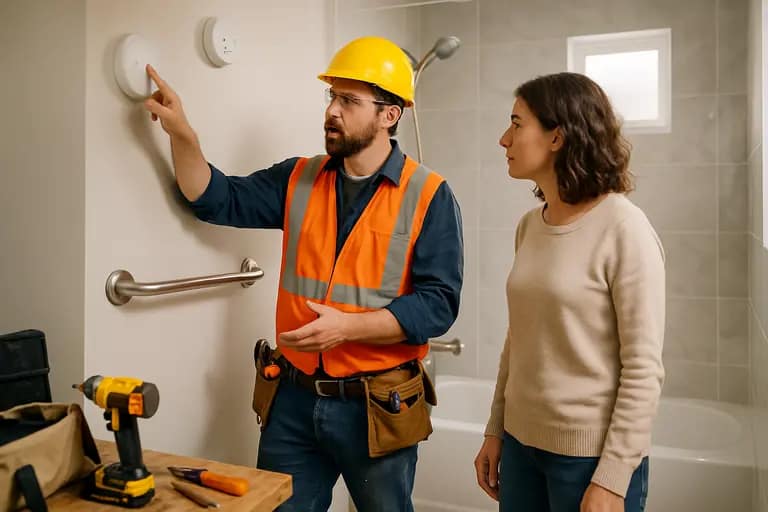
A home can look updated while still carrying hidden risk. Electrical changes, gas lines, plumbing alterations, structural wall removals, roofing work, deck construction, and major HVAC changes can affect safety and insurability. Buyers should not attempt to verify this work through visual review alone, and sellers’ broad claims should not replace inspections or qualified trade opinions.
Renovation quality also affects future ownership choices. Work that was done without proper documentation may create friction when the next owner tries to repair, insure, refinance, or sell the property. Local rules vary, so buyers should ask the right local professionals rather than assume that a finished appearance means the work met applicable requirements.
Plan For After-Closing Projects Before Paying A Premium
Even a renovated home may need changes after move-in. Paint colors, storage, lighting, window coverings, landscaping, and small repairs often remain. Larger items can also emerge once the home is occupied. Buyers should avoid using all available cash to win a renovated listing if that leaves no room for inspections, moving costs, maintenance, or urgent repairs.
A written project ranking can help. Separate repairs that affect safety or habitability from comfort upgrades and resale-sensitive improvements. If you expect to keep improving the property after purchase, this related discussion of home project planning explains why scope, sequencing, and budget discipline matter before work begins.
How Renovation Preferences Affect Home Renovation Values
Using Home Renovation Values In An Offer Review
Home Renovation Values should be treated as part of a wider buyer review, not as a stand-alone reason to stretch beyond a comfortable price range. Recent data shows that many owners are renovating, and a large share are doing so because staying put has become attractive. That means buyers may see more homes shaped around current-owner needs rather than neutral resale choices.
The practical response is measured. Give credit for work that improves safety, function, durability, and documented condition. Be more cautious with upgrades that are expensive but highly personal. Ask for records, compare similar sales, and use qualified inspections for systems and structural concerns. Home Renovation Values matter most when the improvements solve real problems for the next owner as well as the current one.