

A mortgage is more than just a loan for a house. It’s a decades-long financial arrangement where your dream home is used as collateral. It’s like a partnership with a lender, with many rules to follow.
This partnership comes in different types, each with its own rules. The type you choose affects everything. It determines your down payment, borrowing power, and the homes you can buy.
Choosing the right mortgage is key to owning a home. It’s important to know about the different types of mortgages available. Let’s look at what this commitment means before we dive into the options.
Fixed-rate mortgages
Fixed-rate mortgages are the most reliable in the financial world. They are a key type of mortgage that you can count on. Your interest rate is fixed at closing and stays the same for the whole term, whether it’s 15, 20, or 30 years.
Your monthly payments for principal and interest are always the same. This makes budgeting easier than ever.
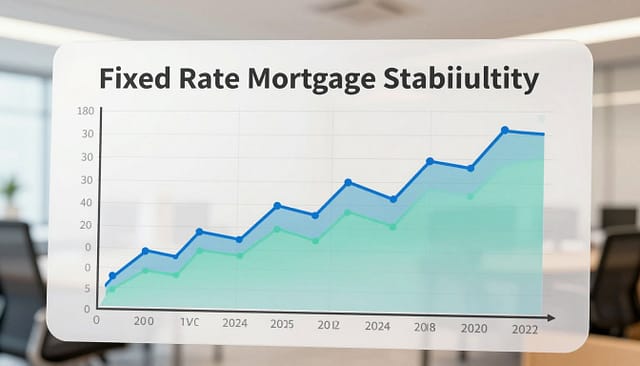
So, why do so many people choose fixed-rate mortgages? It’s because they offer stability in uncertain times. Even when the Federal Reserve changes rates or the market swings, your mortgage payments stay the same.
This stability is not just comforting; it’s also a smart budgeting move. You can plan your finances for years without worrying about sudden increases in your biggest expense.
Fixed-rate mortgages are perfect for long-term planning. They’re great for those who plan to stay in their homes for a long time. Getting a fixed rate when rates are low is like buying a vintage record before it becomes popular again. It’s a smart move that saves you money for years.
Yes, fixed rates might be a bit higher than adjustable rates at first. But you’re paying for the peace of mind. In a world full of ups and downs, knowing your mortgage payments won’t change is priceless.
So, while other types of mortgages might offer more risk, fixed-rate mortgages are the safe choice. They’re the wise advice in a sea of uncertainty.
Adjustable-rate mortgages
Fixed-rate mortgages are like reliable sedans. Adjustable-rate mortgages are like sportier cars with a turbocharger that might blow up. They start with a low rate but can become very expensive later.

ARMs have two main parts. First, there’s a fixed-rate period, usually 5, 7, or 10 years. During this time, your rate stays the same. Then, the rate changes based on market indexes like the Secured Overnight Financing Rate (SOFR).
Think of it like a lease where the rent can go up anytime. One year, you pay a low rate. The next, you might struggle because of a new coffee shop. The rate changes, causing financial uncertainty.
There’s a safety feature: rate caps. These prevent your rate from going too high. There are three types:
- Initial adjustment cap: Limits the rate jump after the fixed period ends.
- Periodic adjustment cap: Controls the rate change in each adjustment period (usually annually).
- Lifetime cap: The highest rate your loan can ever have.
Knowing about these caps is key. The fine print in your ARM documents is important. Skipping it could cost you a lot.
ARMs are good for short-term plans. If you’re sure you’ll sell or refinance soon, you can save money. It’s a smart move if you have a plan.
But for others, ARMs are riskier. If you stay longer than planned, you face rate changes you can’t control. The Federal Reserve’s actions and inflation affect your payments. This makes ARMs more complex than other mortgages.
ARMs make home financing unpredictable. They link your debt to the economy. For some, it saves money. For others, it causes financial shock.
When choosing a mortgage, think about uncertainty. Can you handle rate changes? Can your budget adjust? Your answers will show if an ARM is right for you.
Government-backed loans
These aren’t loans from the government. They’re loans with the government backing you, telling the bank, “I’ve got this.” This backing changes the game. It lets lenders offer terms that would scare a conventional loan officer.
Imagine tiny down payments, forgiving credit scores, and sometimes no down payment at all. It’s like a safety net for homeownership. But, it’s important to know the details.
Let’s look at the main trio. Each has a special place in the American housing story.
- FHA Loans: The great democratizer. Born from the Great Society, FHA loans help first-time buyers. They need only a down payment as low as 3.5% and accept lower credit scores. But, you’ll pay mortgage insurance premiums for life.
- VA Loans: A hard-earned benefit. For veterans, active-duty service members, and spouses, this program says thank you. It offers zero down payment and low rates. But, you’ll pay a funding fee and the property must meet standards.
- USDA Loans: The rural lifeline. For low- to middle-income buyers in rural and suburban areas, this program offers 100% financing. It’s great for community growth, but has income and area limits.
Choosing a loan type is more than math. It’s about which story fits your life. Are you a first-timer, a veteran, or looking for a rural home?
It’s key to think about long-term costs. FHA’s mortgage insurance and VA’s funding fee are real expenses. For more info, check out this guide on what a government-backed mortgage is.
Is this help the key to your home, or are there strings? The answer depends on comparing yourself to each program. The public sector is ready to help, but you must know which game you’re playing.
Choosing the right loan type
Choosing a mortgage is not just about finding the “best” one. It’s about understanding your financial personality. Do you want the stability of a fixed-rate mortgage or the chance for lower payments with an adjustable-rate mortgage? The choice between fixed and adjustable is like playing chess with your future.
Start by being honest about your financial goals and how much risk you can take. Then, compare different lenders like they’re auditioning for a role. Always look at the Loan Estimate forms side by side. Don’t just look at the interest rate. Property taxes and insurance can also affect your budget.
Be careful of hidden costs like balloon payments or prepayment penalties. They can surprise you later. The right choice depends on your life plans and financial situation. Government-backed loans like FHA or VA might be your best option. Or maybe a conventional loan offers better terms. Your loan should match your story, not the other way around. Now, it’s time to write the next chapter.