
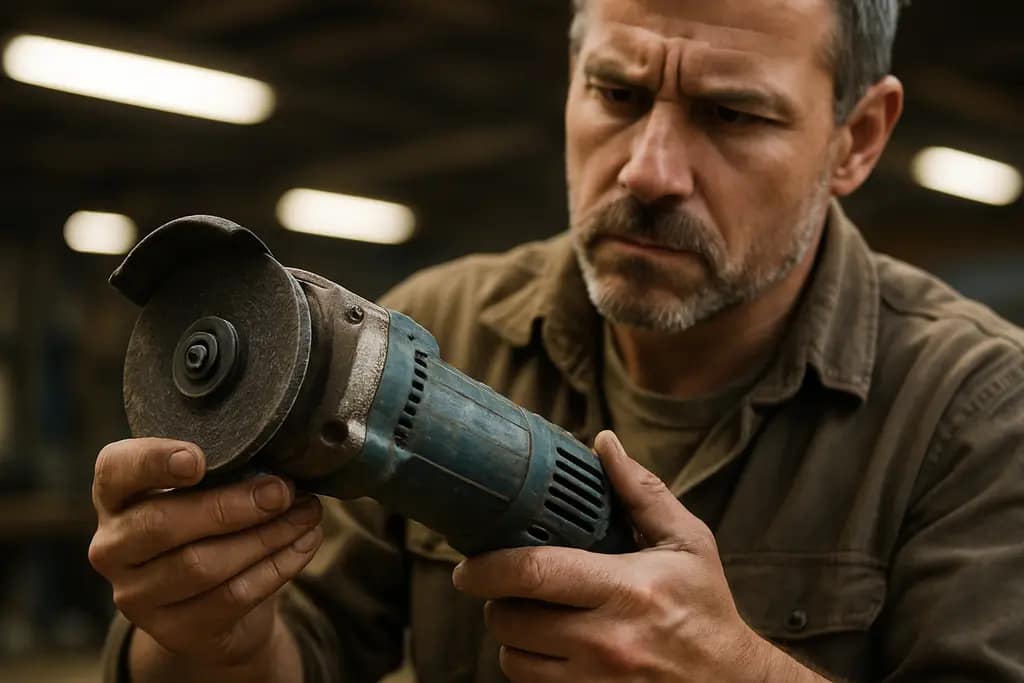
Tool durability is not just a preference for people who like better gear. For homeowners and renters, it affects safety, repair quality, storage value, and whether a project should be handled personally or passed to a qualified contractor. A tool that flexes, overheats, cracks, stalls, or lacks basic safety features can turn a small maintenance task into an injury risk or a damaged-home problem.
The buying decision should start with risk, not with the largest kit or the lowest sale price. A durable tool is built for the work it is expected to do, backed by clear manufacturer guidance, and supported by parts, service, or recall communication when something goes wrong. That matters even for occasional home use because many household projects involve sharp edges, rotating parts, dust, vibration, heat, electricity, or pressurized water.
A helpful resource for broader project planning is a related site in the same network, JSiemering Homes, which assists readers in deciding if repairs, updates, or a future move are more appropriate. Tool purchases should fit that larger household plan rather than becoming a collection of equipment that rarely gets used.
Why Tool Durability Belongs In A Buying Decision
The Homeowner Risk Is Not Only Breakage
A weak tool can fail in ways that are more serious than inconvenience. Breakage can lead to loss of control, inaccurate cuts, damaged fasteners, project delays, or replacement costs. With power tools, the risk can include heat, electrical issues, flying fragments, or moving parts that continue to create hazards after the first sign of failure.
OSHA reported about 2.6 million nonfatal work-related injuries and illnesses among private-sector workers in 2023, with an incidence rate of 2.4 cases per 100 full-time equivalent workers, according to its 2023 injury and illness summary. That data is workplace-focused and does not isolate homeowner tool incidents. Still, it is a useful reminder that tools, tasks, materials, and work environments carry real injury exposure when safety controls are weak or ignored.
For home users, the practical lesson is cautious: buy tools that match the task, read the manufacturer’s manual, keep guards and safety features in place, and stop using a tool that shows damage, overheating, abnormal noise, vibration, cracked housings, frayed cords, or battery problems. Those are inspection boundaries, not repair instructions. Electrical, gas, plumbing, structural, roofing, and ladder-heavy work can carry risks that call for licensed or qualified pros.
Tool Durability And Safety Signals To Check
Good tool durability starts with fit for purpose. A light-duty tool may be fine for occasional low-risk household work, while heavier use calls for stronger construction, better heat management, safer controls, and clearer service support. Buyers should look for stable housings, secure grips, proper guards, appropriate insulation or cord design for electric tools, compatible batteries or chargers, and manufacturer documentation that is easy to find.
Durability also includes how the tool behaves over time. A hand tool that rounds off fasteners or a cutting tool that dulls quickly can create extra force, more slipping, and lower accuracy. A power tool that struggles under a normal load may invite unsafe workarounds. The better purchase is often the one that helps the user work within the tool’s rated purpose without improvising.
Safety Records And Recalls Should Shape Shortlists
Read Recall History Before Buying Used Or Discounted Tools
Recall history belongs in the buying process, especially for used, refurbished, open-box, or steeply discounted tools. A low price may not be worth much if the tool has an unresolved safety issue, missing guard, incompatible charger, damaged pressure component, or no support from the maker.
One recent example shows why this check matters. AP reported in 2025 that about 780,000 Ryobi pressure washers were recalled after reports that a capacitor in some models could overheat and explode; the report cited 41 explosion reports and about 32 injuries involving fingers, hands, face, and eyes in its coverage of the pressure washer recall. That was not a minor nuisance issue. It involved consumer injury reports tied to a household tool category many people use around driveways, patios, siding, and outdoor equipment.
Homeowners do not need to avoid every brand that has ever had a recall. The more useful question is whether the specific model has been recalled, whether the remedy was completed, and whether the seller can document the model number, serial number, condition, and included safety components. If those answers are unclear, the safer decision may be to walk away.
Match Materials, Coatings, And Duty To The Project
Buy For The Work You Actually Do
Research noted in the provided material points to a consistent theme across industrial and precision settings: materials, coatings, heat control, lubrication, and wear resistance can affect tool life. Those studies were not ordinary home-buying tests, so they should not be stretched into claims about a specific consumer drill, saw, wrench, or blade. They do support a cautious principle: construction details matter most when tools face repeated friction, heat, impact, cutting, or high load.
For homeowners, that means avoiding vague quality claims and comparing the tool to the job. A blade, bit, or cutter should be rated for the material being worked. A wrench or socket should fit fasteners properly. A pressure washer should match the cleaning task without pushing the user into unsafe force or surface damage. A battery-powered tool should use the charger and pack specified by the manufacturer, not a mismatched substitute.
This is where tool durability becomes a practical budgeting issue. If a tool will be used once for a small, low-risk project, renting or borrowing from a trusted source may be more reasonable than buying an expensive kit. If it will be used repeatedly for repairs and maintenance, buying a safer, serviceable model can reduce frustration and replacement waste.
Cost, Repairability, And When To Hire A Pro
The Cheapest Tool Can Become The Expensive Choice
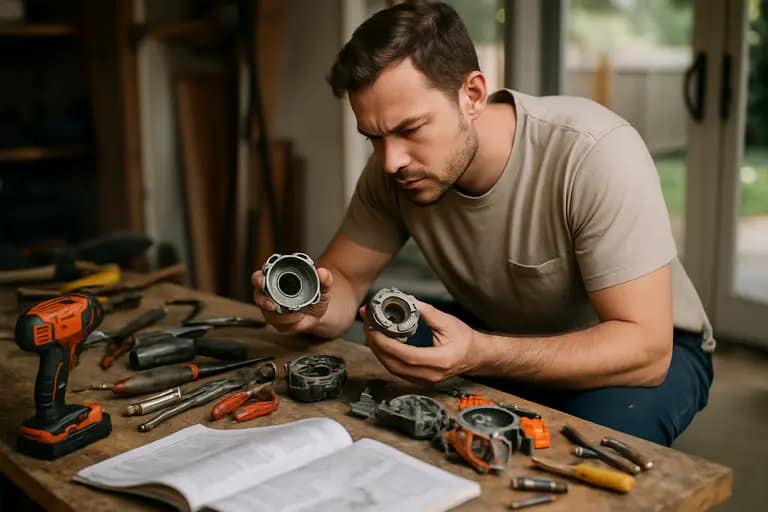
Price matters, but it should be compared with expected use, safety margin, service options, and replacement risk. A cheap tool that fails early may cost more after lost time, ruined materials, or a second purchase. A higher-priced tool is not automatically the right answer either. The sensible choice is the least risky tool that is appropriate for the work and likely to hold up under expected use.
Repairability is part of that calculation. Buyers should check whether common wear parts are available, whether the manufacturer provides manuals, whether batteries are part of a supported system, and whether the tool can be serviced without unsafe owner repairs. If a repair requires opening a sealed electrical housing, bypassing a guard, changing pressure components, or altering safety controls, that should be handled by the manufacturer, an authorized service provider, or another qualified professional.
For readers deciding whether they need a tool at all, the related discussion on DIY tool selection is a useful companion because frequency, risk, and project scope should come before shopping. A homeowner who only needs one high-risk task completed may be better served by hiring the right pro than by buying equipment and learning under pressure.
Tool Durability Buying Decisions For Home Projects
A Practical Homeowner Filter
Use a short filter before buying. First, define the project and the material. Second, identify the hazard level: sharp edges, dust, vibration, heat, electricity, height, pressure, or structural risk. Third, check whether the tool is rated for that work. Fourth, confirm that guards, manuals, chargers, cords, batteries, and accessories are present and correct. Fifth, look for recall information on the exact model before buying used or discounted equipment.
- Choose tools that match the project rather than the largest kit on sale.
- Avoid used tools with missing guards, damaged cords, swollen batteries, cracked housings, or unclear model details.
- Read the manual before use and follow manufacturer limits for materials, accessories, charging, storage, and maintenance.
- Stop using any tool that shows heat, smoke, unusual vibration, exposed wiring, leaking fluids, or damaged safety components.
- Hire a qualified pro for high-risk work involving electrical systems, gas lines, structural changes, major plumbing, roofing, or unsafe access.
Tool durability should be treated as a safety and planning factor, not as a brand-status feature. The right tool is one that fits the work, has clear safety support, and reduces the temptation to improvise. For homeowners, that kind of buying discipline can prevent wasted money and lower the chance that a small repair becomes a larger problem.