
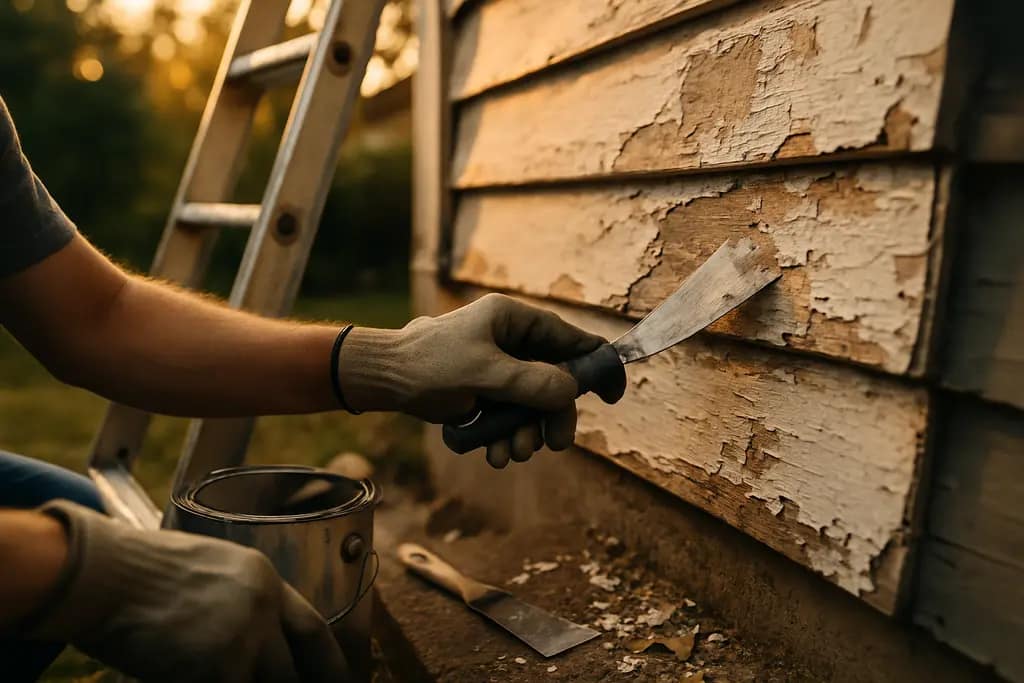
Smaller Repair Projects are becoming the practical choice for many owners who are trying to keep homes safe, functional, and affordable without taking on a full remodel. The shift is not just about design preference. It reflects older housing, higher labor and material costs, and households choosing repairs that protect daily use over upgrades that can wait.
Why Smaller Repair Projects Are Taking Priority
Smaller Repair Projects And Aging Homes
Repair-led work is now a normal part of ownership planning. In 2026, 79% of homeowners surveyed said they planned at least one repair or replacement project, and the most common areas included HVAC, plumbing, and appliances. The same report found that 72% intended to stay in their current homes and 69% lived in homes at least 20 years old, which helps explain why maintenance is competing with discretionary remodeling for household cash Housecall Pro report.
The rise of Smaller Repair Projects makes sense in that setting. A homeowner who expects to stay put may get more value from fixing a failing water heater, repairing a roof leak, or replacing an unreliable appliance than from starting a cosmetic project. Those choices may not feel exciting, but they can reduce the risk of larger damage and help preserve the livability of the home.
For buyers, this matters before closing as well. A home inspection that identifies several modest repairs can still create a meaningful cash need after the purchase. Even if the mortgage payment looks manageable, repairs, insurance, taxes, utilities, and routine maintenance all compete for the same household budget.
Cost Pressure Changes The Scope Decision
Cost pressure also changes how owners define success. Instead of asking whether a project can make a room feel new, a tighter repair budget should start with whether the home is safe, dry, heated, cooled, and operating as expected. That narrower test helps prevent a small repair from expanding into a broader project without a clear funding plan.
For households comparing primary homes with second homes or short-stay properties, usage patterns can influence repair schedules and intensity. Insights into property maintenance and occupancy from sources like Weekender Villas highlight how these factors can dictate varied maintenance needs.
Set The Budget Before Setting The Scope
Separate Safety, Function, And Preference
A repair budget works better when the work is sorted into three groups: safety, function, and preference. Safety items include conditions that may expose occupants to injury, fire, water intrusion, structural concern, or health risk. Function items keep the home usable, such as heating, cooling, water, drainage, doors, windows, and major appliances. Preference items improve appearance or comfort but can usually wait when money is tight.
This order does not mean every safety concern is a do-it-yourself project. Electrical service issues, gas work, major plumbing, structural repairs, roof work, and anything requiring specialized tools or permits should be reviewed by qualified professionals. The safer budget choice is often to pay for a proper diagnosis before committing money to materials that may not solve the problem.
Lower-income homeowners face a heavier burden from repairs. Harvard’s Joint Center for Housing Studies reported that in 2023, lower-income homeowners spent an average of $3,100 on improvements and repairs, equal to about 16% of household income, while top-income homeowners spent about $10,900, or under 4% of income Harvard housing research. That gap is a reminder that repair planning should be cautious, not aspirational.
Use A Written Scope Limit
Before calling contractors, write down what problem must be solved and what is outside the project. For example, “replace the failed exterior door and address visible water damage around the frame” is clearer than “improve the entry.” A clearer scope makes bids easier to compare and reduces the chance that a needed repair turns into a larger upgrade by default.
A written scope should include a ceiling number for the project, a contingency amount for unknowns, and a stop point if the work uncovers a larger issue. If the repair reveals structural damage, active mold, unsafe wiring, or hidden plumbing failure, pause and get professional guidance rather than pushing through to preserve the original budget.
Get Bids That Reduce Surprise Costs
Ask What Is Excluded
Contractor bids are most useful when they define both the included work and the excluded work. A low bid that leaves out permits, disposal, replacement parts, wall repair, paint touch-up, or follow-up testing may not be lower once the project is finished. Ask each contractor to state assumptions in writing so the numbers can be compared fairly.
Homeowners should also separate diagnosis from repair. Paying for a service call or inspection can feel like a setback, but it may prevent spending on the wrong fix. For example, replacing a visible component may not solve a recurring moisture problem if the source is roof flashing, grading, or a plumbing leak. The budget should fund the cause, not just the symptom.
- Request a written scope, labor cost, material allowance, and payment schedule.
- Ask whether permits, disposal, and follow-up visits are included.
- Confirm licensing and insurance for regulated or higher-risk work.
- Keep a contingency reserve instead of spending the full budget on the first estimate.
- Delay cosmetic add-ons until the repair is complete and paid for.
Compare Bids By Risk, Not Just Price
The lowest number is not always the safest choice. A contractor who identifies likely hidden costs may look more expensive at the start but can provide a more realistic budget. A contractor who skips inspection details may leave the owner exposed to change orders once work begins.
For owners who need a fuller planning framework, a repair should fit into the wider household project calendar. A practical home project planning process can help rank scope, timing, and funding before bids are approved.
Decide What To Defer Without Creating Bigger Risk
Repairs That Deserve Professional Review
Deferring work can be reasonable, but not all delays carry the same risk. Peeling interior paint in a dry room is different from a roof leak, sewer backup, overloaded electrical panel, failing heat in cold weather, or stair defect. The budget question should be, “What could this cost if it fails further?” rather than only, “Can I afford it today?”
Smaller Repair Projects should reduce exposure, not hide it. Temporary patches may be useful only when they are safe, allowed, and followed by a real repair plan. Avoid shortcuts around wiring, gas, load-bearing components, roof access, and pressurized plumbing. If a project could injure someone or damage the home if done incorrectly, bring in a qualified professional.
Use Phasing Carefully
Phasing can help when the project has clear boundaries. A homeowner may repair a leak first, then replace damaged finishes later. That is different from opening walls, changing plans repeatedly, and adding related upgrades while the contractor is already present. The second pattern can make a small project lose its cost control.
A phased plan should identify which work must happen now, which work can wait, and what condition would trigger the next phase. Written triggers keep emotion out of the decision. For example, “replace the appliance if the repair exceeds a set share of replacement cost” is more disciplined than deciding during a stressful breakdown.
Smaller Repair Projects Budget Plan
Keep A Rolling Repair Reserve
Smaller Repair Projects work best when they are funded through a rolling reserve rather than last-minute borrowing. The reserve does not have to cover every possible repair at once, but it should be separate from everyday spending. Owners can start with the most likely near-term needs: HVAC service, appliance replacement, plumbing calls, roof maintenance, drainage correction, and exterior sealing.
That reserve should be reviewed after every project. If the repair came in under budget, keep the surplus for the next issue rather than immediately adding scope. If it exceeded the estimate, adjust future project timing before committing to lower-priority work.
Use Small Scope As A Discipline
The strongest budget control is not finding the cheapest material or delaying every repair. It is defining the problem accurately, ranking the risk, hiring qualified help where safety requires it, and refusing to add work that does not serve the repair goal. Smaller scope can still fail financially if the owner keeps expanding it during the job.
For homeowners and buyers, the practical lesson is direct: treat repairs as part of the cost of owning the property, not as an occasional surprise. A smaller project can protect the home and the household budget when it is planned with written limits, realistic bids, a contingency reserve, and clear safety boundaries.