
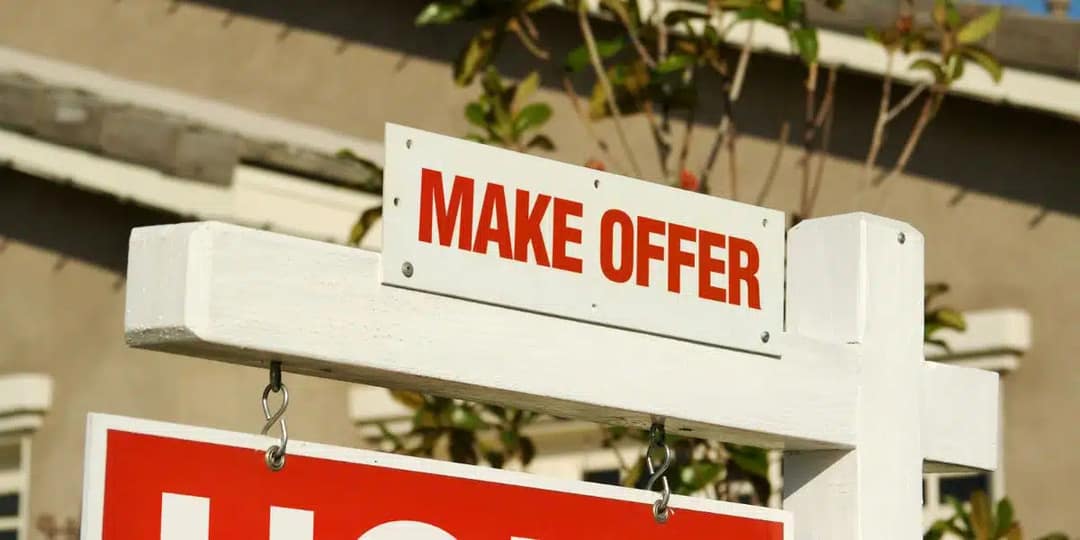
A first-time home buyer offer checklist can keep excitement from turning into a rushed contract. The right house can make buyers want to move quickly, but the offer stage is where price, condition, financing, timing, and protection all meet.
That pressure is easy to underestimate. A buyer is not just deciding whether they like the home. They are deciding how much risk to accept, how much cash to commit, and how carefully to protect the deal if something changes. That is where earnest money basics become part of the larger offer conversation.
The Offer Stage Is Where Emotion Needs Structure
Touring a home is emotional. Making an offer should be more structured.
First-time buyers often focus on visible features: kitchen updates, flooring, paint, yard size, or how the home feels during a showing. Those details matter, but an offer needs a wider view. Price, condition, financing, appraisal risk, inspection terms, closing timeline, and seller expectations can all shape whether the offer is safe.
HUD’s homebuying steps place making an offer after buyers have considered affordability, loan shopping, home shopping, and inspection. That sequence is useful because it reminds buyers not to treat the offer as an isolated decision.
A strong offer is not always the highest offer. It is the offer that matches the buyer’s budget, protects their interests, and gives the seller a clear path to closing.
First-Time Home Buyer Offer Checklist Before You Commit
The first-time home buyer offer checklist should start before the buyer signs anything. A good checklist slows the decision down just enough to catch issues that photos and excitement can hide.
Buyers should review the asking price against comparable homes, confirm the payment estimate, check the property condition, think about repairs, and understand what they are asking the seller to accept. They should also know how much money they are putting at risk if they miss deadlines or remove protections too early.
The CFPB’s homebuyer tools are useful because they focus on buyer control throughout the process, from early planning through closing. That control matters most when the buyer feels pressure to move fast.
| Offer Check | What It Tells The Buyer | Why It Matters |
| Comparable sales | Whether the price is realistic | Helps avoid overpaying emotionally |
| Payment estimate | Whether the home fits the budget | Prevents offer-stage stretching |
| Inspection concern | Whether repairs may be costly | Helps shape terms and expectations |
| Seller timeline | Whether closing dates align | Reduces friction after acceptance |
| Earnest money | How much cash is at risk | Encourages deadline discipline |
This kind of checklist does not remove emotion. It gives emotion a safer lane.
Condition Should Shape More Than The Offer Price
A home’s condition can affect the offer in several ways. It may shape the price, inspection terms, repair expectations, cash reserves, and even the buyer’s willingness to move forward.
Fresh paint can make a home feel ready, but buyers should still think about roof age, HVAC condition, plumbing, electrical concerns, windows, drainage, foundation signs, and visible maintenance patterns. None of those details automatically mean a buyer should walk away. They do mean the buyer should understand what they may be inheriting.
Condition is part of affordability because repairs become real money after closing. A lower purchase price may not help much if the home needs expensive work right away.
First-time buyers should avoid treating the inspection as a formality. It is one of the best chances to understand the house beyond the listing description.
Financing Details Can Make Or Break The Offer
Financing should be reviewed before the offer is written. A buyer should know whether the pre-approval still reflects current income, debts, funds, and rate assumptions.
The buyer should also understand how the offer price affects the payment. If the home is near the top of the budget, a higher interest rate, tax estimate, or insurance premium can change the decision quickly. The same is true if the buyer is relying on seller credits or a specific loan program.
A clean financing plan can also help the offer feel more credible. Sellers want confidence that the buyer can close. Buyers want confidence that the offer will not create payment stress later.
Financing clarity protects both sides because it reduces surprises once the contract is underway.
Contingencies Are Not Just Fine Print
Contingencies can protect buyers when the inspection, appraisal, financing, or title review reveals a problem. First-time buyers should understand what each contingency does, what deadlines apply, and what happens if they miss those deadlines.
In a competitive market, buyers may feel pressure to weaken protections. That decision should not be made casually. Removing a protection may make an offer look stronger, but it can also shift more risk onto the buyer.
The better question is not, “Can I make my offer more aggressive?” It is, “What risk am I accepting if this part of the deal goes wrong?”
That is where careful offer planning matters. A buyer can be competitive without being careless.

The Best Offer Is The One You Can Defend Later
A good offer should still make sense after the excitement fades. Buyers should be able to explain why the price fits, why the terms are reasonable, why the home’s condition is acceptable, and why the payment works.
If the only reason for the offer is fear of losing the house, the buyer should pause. Urgency is common, but urgency should not replace judgment.
A first-time home buyer offer checklist gives buyers a way to make a serious decision without losing control of the process. The strongest buyers are not the ones who ignore risk. They are the ones who understand it before the contract begins.
The Offer Stage FAQ’s
What should first-time buyers check before making an offer?
Buyers should check price, payment, comparable sales, condition, inspection concerns, financing status, seller timeline, and earnest money terms before making an offer.
Is the highest offer always the best offer?
No. Sellers may also consider financing strength, closing timeline, contingencies, and overall certainty. Buyers should avoid stretching beyond a payment they can comfortably handle.
Why do contingencies matter for first-time buyers?
Contingencies can give buyers options if financing, appraisal, inspection, or title issues appear. Removing them may increase risk, so buyers should understand each protection first.