

Energy-efficient upgrades can affect home value, but the result is not automatic. The resale signal depends on the project type, the local market, how clearly the improvement is documented, and whether the financing cost absorbs too much of the benefit. For homeowners, the practical question is not just whether a greener house might sell for more. It is whether the expected savings and possible resale premium justify the cash, debt, time, and construction disruption.
That makes this a financing decision as much as a remodeling decision. A project that improves comfort and lowers bills can still be a weak financial move if the loan term is too long, the interest rate is high, or the owner expects to sell before seeing much benefit. A cautious plan treats resale value as one input, not as a promise.
How Energy-Efficient Upgrades Show Up In Home Value
Energy-Efficient Upgrades And Market Signals
Buyers usually value features they can understand, verify, and compare. That is why energy-efficient upgrades tend to be more visible when they come with a rating, certification, lower estimated operating cost, or recognizable equipment such as solar panels. Without documentation, buyers may like the idea of efficiency but still discount the improvement because they cannot judge the expected savings.
The strongest data in the research points to a meaningful relationship in some markets, but the size of the premium varies. A 2025 SolarReviews analysis using Zillow data found that homes with solar panels sold for an average of 6.9% more than comparable homes without solar, equal to roughly $25,000 to $29,000 more for a median U.S. home, according to the SolarReviews solar study. That does not mean every solar project produces that result. The sale price impact can depend on ownership structure, system age, energy prices, buyer demand, and how the listing explains the system.
Other research in the notes shows the same pattern: efficient homes may receive premiums, but those premiums differ by location and rating system. Austin data associated green efficiency features with higher sale prices, and research in several U.S. cities found different effects for ENERGY STAR and local green certifications. The useful takeaway for a homeowner is narrower: the market may pay more for documented efficiency, but the premium should be tested against the specific property and financing cost.
Do Not Treat The Premium As Cash In Hand
A sale premium is not the same as a guaranteed return. Real estate pricing is affected by comparable sales, condition, location, timing, buyer income, mortgage rates, and appraisal support. If a homeowner borrows $30,000 for a project and a future buyer values it at less than the total cost, the project may still improve comfort and reduce bills, but it may not fully pay back at resale.
That distinction matters for sellers planning to move soon. Energy-efficient upgrades with long payback periods can make sense for long-term comfort, but they may be harder to justify if the owner will not stay long enough to benefit from lower utility bills. The shorter the expected ownership period, the more the decision depends on buyer recognition and resale documentation rather than monthly savings alone.
Financing Cost Can Reduce The Value Gain
Compare Payment, Payback, And Ownership Timeline
Financing changes the math because interest is part of the project cost. A low utility bill after completion is helpful, but the household still has to cover the monthly loan payment. If the energy savings are smaller than the payment, the owner may have a better-performing house and a tighter monthly budget at the same time.
The research notes show why payback expectations deserve attention. One cited example involving the 2024 model energy code estimated about $9,000 in added cost for a typical single-family house and about $765 in annual energy savings, implying a simple payback period of about 12 years. That type of calculation is useful because it separates the performance benefit from the financing decision. A 12-year simple payback can be reasonable for some long-term owners, but it may not fit a homeowner who expects to sell in three or four years.
A survey of homeowners in Georgia, North Carolina, and South Carolina, published in October 2025, also points to borrower sensitivity. In that survey, 59% said energy efficiency was important when choosing AC or heat pump systems, and many respondents preferred repayment periods around five years with interest rates in the 4% to 8% range. Only 10% were willing to wait more than five years for an upgrade to break even. Those numbers do not set a rule for every homeowner, but they show why shorter payback and manageable payments often matter more than the headline project cost.
Use A Financing Screen Before Signing
Before using cash savings, a personal loan, a contractor-arranged loan, or home equity financing, a homeowner should compare the total amount paid over the life of the financing with expected energy savings and possible resale recognition. This is not mortgage, tax, or appraisal advice. It is a budgeting screen that helps keep a home improvement from crowding out emergency reserves, insurance deductibles, moving costs, or needed repairs.
Tools and materials can be part of lower-risk planning tasks, such as measuring, documenting, and organizing a project file. For those looking into product options, they might find valuable information at High Pro Tools. High-risk work is different. Solar installation, electrical panel work, roofing, gas lines, structural changes, and major HVAC work should be handled by properly qualified professionals, with required permits and inspections where they apply.
Rating Systems Can Help Buyers See The Benefit
Home Energy Score And Resale Evidence
Energy ratings can help buyers compare one home with another, especially where disclosure is expected or required. The Home Energy Score is one example used in some U.S. jurisdictions. Research from Lawrence Berkeley National Laboratory found that each one-point increase on the 1-to-10 Home Energy Score scale was associated with a 0.5% increase in sale price, while each $100 increase in estimated annual energy bills was associated with a 0.4% decrease in sale price, according to the Home Energy Score study.
For financing decisions, that type of rating can provide a more concrete way to think about value. It does not replace an appraisal, and it does not promise a sale price. It can, however, help a homeowner document the condition of the house before and after energy-efficient upgrades. That documentation can be useful when comparing contractor bids, discussing the home with an agent, or preparing a listing later.
Documentation Is Part Of The Project
A homeowner should treat paperwork as part of the upgrade cost and benefit. Keep paid invoices, equipment model information, warranties, inspection records, rating reports, and utility history before and after completion. If a project is financed, keep the loan terms separate from the physical improvement documents so a future buyer can understand the feature without being confused by the owner’s borrowing choice.
This is especially relevant for solar, HVAC replacements, insulation work, air sealing, windows, and certified green improvements. If the market recognizes the rating or equipment, clean records help the listing make a factual case. If the market does not recognize it strongly, the same records still help buyers understand comfort, maintenance, and operating cost potential.
Match The Project To The House And Market
Older Homes Need A Condition-First Review
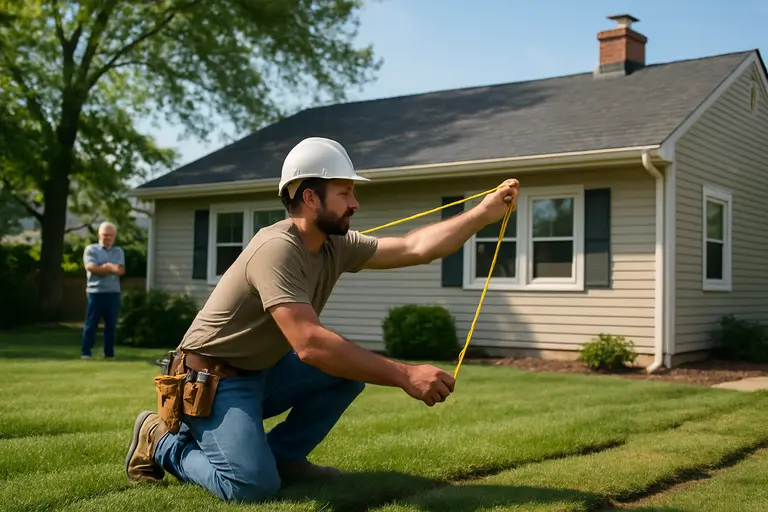
Not every efficient product is the right first project. An older home with deferred maintenance may need roof, moisture, foundation, ventilation, or electrical evaluation before adding expensive efficiency equipment. Buyers may not reward a premium feature if basic condition issues remain unresolved. For homeowners weighing improvements before purchase or resale, this connects closely with how to evaluate an older home before committing to a larger project plan.
Energy-efficient upgrades can also interact with building systems. Air sealing without proper ventilation planning can create comfort or moisture concerns. New HVAC equipment should be sized and installed by qualified professionals rather than selected only by the old unit’s label. Solar work should be reviewed alongside roof age and electrical capacity by licensed specialists. A safety-first sequence often protects both the owner and the resale story.
Local Demand Affects The Payoff
The research notes show that energy value is local. Austin green certification results differ from findings in Research Triangle, Portland, and other markets. Irish and European rating data also point to value effects, but those systems and buyer expectations are not identical to U.S. local markets. A homeowner should be careful about applying a percentage from one city, country, or rating system to a different property.
A practical way to stay grounded is to ask how local buyers compare homes. If listings routinely mention energy ratings, solar production, utility costs, or green certifications, the market may be more prepared to recognize the improvement. If comparable sales rarely mention those features, the value may still exist through comfort and lower bills, but it may be harder to capture in sale price.
Financing Energy-Efficient Upgrades With Resale In Mind
A Practical Decision Sequence
Energy-efficient upgrades are most defensible when the project solves a real household problem, the payment is affordable, the work is properly documented, and the owner has enough time to benefit. Start with utility history and the home’s physical condition. Then compare bids from qualified contractors, ask what documentation will be provided, and estimate savings conservatively rather than relying on the most favorable projection.
- Set a project goal: lower bills, better comfort, resale positioning, or equipment replacement.
- Estimate total cost, including financing charges, not just the contractor price.
- Compare payback with expected ownership period.
- Confirm that safety-sensitive work will be handled by qualified professionals.
- Keep records that a future buyer, agent, or appraiser can review.
The financing choice should leave room for ordinary homeownership costs. A homeowner who uses all available cash or takes on a payment that crowds the monthly budget may be adding risk even if the improvement is technically sound. Efficiency can support value, but liquidity and repair reserves still matter.
The most cautious reading of the evidence is that efficient homes can sell for more in markets where buyers understand and value the feature. Solar panels, energy ratings, and green certifications all have research support in specific contexts. Still, the financial result depends on the home, the market, the project cost, and the borrowing terms. Treat energy-efficient upgrades as a measured investment in comfort, operating cost control, and possible resale value rather than a guaranteed increase in sale price.