
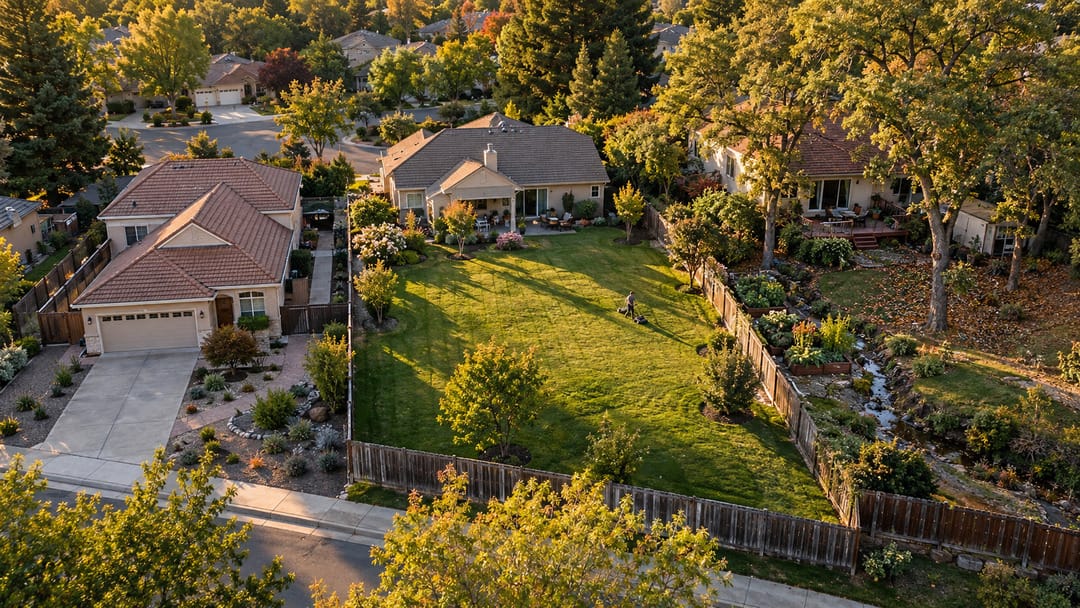
A larger yard can make one home look like the obvious winner, especially when two properties have similar interior square footage. But buyers who compare home lot sizes only by acreage or square feet can miss the more important question: how much of that land is usable, expensive, difficult, or time-consuming to maintain?
The better comparison looks beyond the property line. Mowing area, drainage, mature trees, fencing, irrigation, slopes, landscaping, privacy, and access can turn two similarly sized lots into very different ownership experiences. More land can be valuable, but only when the yard fits the buyer’s budget and the amount of work they actually want.
Compare Home Lot Sizes by Usable Space, Not Just Square Footage
Lot size measures the parcel, not the amount of lawn you will mow or outdoor space you will regularly use. The house footprint, driveway, patio, shed, planting beds, wooded areas, steep slopes, and other features may consume a significant part of the total area.
That makes usable space more revealing than the headline number.
During a showing, consider where daily outdoor life would actually happen. Is there enough level ground for children, pets, gardening, entertaining, or another priority? Does the layout give you privacy, or is most of the extra land exposed to neighboring properties?
Shape matters too. A long, narrow lot may contain more square footage than a smaller rectangular parcel but offer fewer practical options. Awkward corners, easements, steep sections, and densely planted areas can further limit how the space functions.
Buyers attracted to patios, seating areas, lighting, and similar improvements should also judge how those outdoor living spaces fit the rest of the property rather than treating the yard as one undivided feature.
Mowing Is Only the Beginning of the Maintenance Load
A lawn that looks effortless during a 20-minute showing can represent hours of recurring work.
Start with the amount of mowable turf, then consider trimming around fences, trees, beds, play equipment, slopes, and structures. Larger lawns may require larger equipment or professional service. Elaborate landscaping can add pruning, mulching, fertilizing, weeding, leaf removal, seasonal cleanup, and replacement planting.
Climate and plant selection also change the equation. The federal government’s water-smart landscaping guidance recommends considering climate, soil conditions, plant selection, water needs, and maintenance schedules when planning residential landscapes.
That is useful for buyers because an attractive yard should be evaluated as a system. A large property filled with regionally appropriate, established plants may suit one household better than a smaller but labor-intensive landscape filled with thirsty turf and high-maintenance beds.
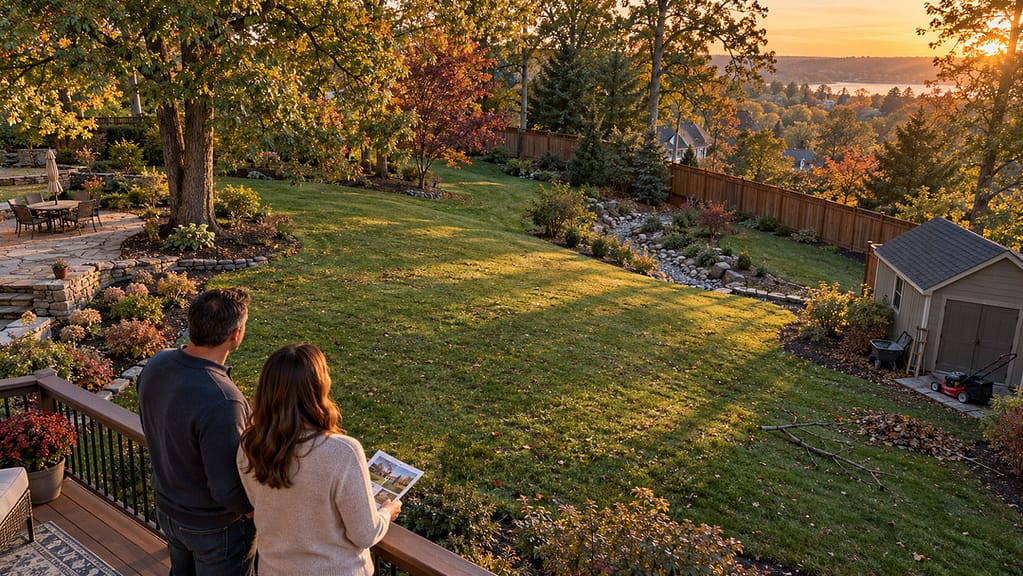
Use a simple comparison instead of relying on appearance alone:
| Yard factor | Lower-maintenance signs | Higher-maintenance signs |
|---|---|---|
| Lawn | Smaller, level turf areas | Large, sloped or divided lawn |
| Landscaping | Established, climate-suited plants | Numerous specialty beds or sensitive plants |
| Irrigation | Simple, documented system | Unknown condition or complex zones |
| Trees | Healthy, appropriately placed trees | Large limbs, crowding or visible decline |
| Fencing | Sound structure and accessible lines | Leaning sections or difficult access |
| Drainage | Clear flow away from structures | Low spots, erosion or standing water |
The point is not that every feature in the right column is a reason to reject a property. It is that maintenance belongs in the purchase comparison before those responsibilities become yours.
Drainage and Slope Can Matter More Than Acreage
A flat-looking lawn on a dry afternoon does not reveal how the property behaves during heavy rain.
Walk the site with water movement in mind. Look at the grade around the house, downspout discharge points, low sections of the yard, retaining structures, driveway edges, and neighboring properties. Watch for erosion, washed-out mulch, persistently bare areas, sediment deposits, or places where water appears likely to collect.
Federal surface flooding guidance identifies yard regrading as one method of directing surface runoff away from buildings, reinforcing why site grading deserves attention before purchase.
A slope can also change ordinary maintenance. Mowing may be harder, retaining features may eventually need work, and erosion can require ongoing management. If drainage or grading raises concerns, buyers should seek qualified evaluation rather than assuming landscaping alone will correct it.
Fences, Trees, and Privacy Carry Their Own Trade-Offs
Mature trees and fenced yards frequently add qualities buyers want: shade, visual screening, defined boundaries, and usable private space. They also come with physical assets that require inspection and care.
Look at trunks, major branches, proximity to the roof, visible roots, and whether trees crowd structures or utility areas. Buyers do not need to diagnose tree health themselves. Large, questionable, or strategically important trees can justify evaluation by a qualified arborist.
Fences deserve the same attention. Check gates, leaning sections, damaged posts, vegetation growth, and areas that are difficult to access. Ask what documentation identifies property boundaries rather than assuming the visible fence sits exactly on the legal line.
Privacy should also be evaluated realistically. A heavily planted screen may provide excellent separation while requiring regular pruning. An open acre can provide considerable distance yet little visual privacy if neighboring homes overlook the property.
Privacy and maintenance often trade places in this way: the features creating separation may also create recurring work.
Price the Outdoor Work Before You Make an Offer
The yard should become part of the same due-diligence process as the roof, HVAC system, or interior condition.
Ask what irrigation equipment exists, how it operates, and whether service records are available. Identify fencing that may soon need attention. Consider whether mature trees need professional pruning. Estimate whether you will mow yourself or hire someone. If extensive landscaping is involved, think about water use and seasonal care.
Avoid relying on generic national estimates for these decisions. Landscaping labor, water rates, tree service, fencing, and lawn care vary substantially by location and property.
Instead, obtain property-specific estimates when a major feature could affect the decision. A large wooded lot and a large open lawn may have the same acreage but entirely different ownership costs.
Also consider time. A buyer who enjoys weekend yard work may view an expansive property as an advantage. Someone with little interest in outdoor maintenance may eventually resent the same space.
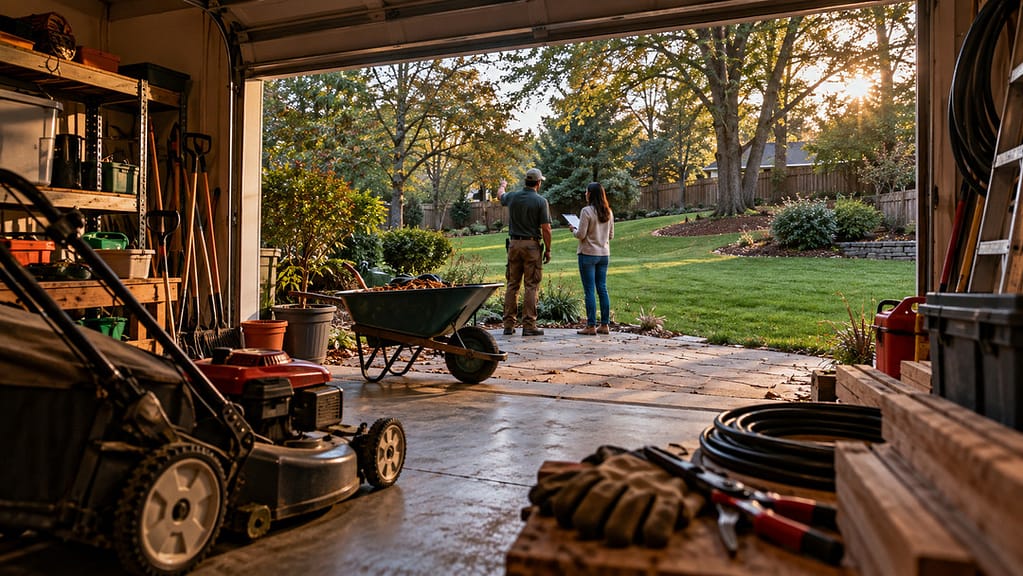
Choose the Yard You Can Actually Own
Buyers often compare bedrooms, kitchens, renovations, and monthly payments carefully while treating the yard as scenery. That leaves one of the property’s largest physical components outside the real decision.
The better approach is to compare home lot sizes by function, condition, maintenance, water movement, and how the space supports daily life. A larger lot may deliver privacy and flexibility. A smaller one may preserve weekends and reduce recurring work.
Neither outcome is automatically better. The real opportunity is identifying the property whose outdoor demands match your priorities before the excitement of extra acreage turns into a maintenance commitment you never intended to buy.
Frequently asked questions
Is a bigger lot always better when buying a home?
No. A larger lot can provide privacy, recreation space, or flexibility, but it may also require more mowing, irrigation, tree care, fencing, and cleanup. Usability and maintenance needs matter alongside total square footage.
What yard problems should buyers look for during a showing?
Look for standing water, erosion, steep slopes, damaged fencing, unhealthy-looking trees, poorly placed downspouts, irrigation problems, and difficult-to-maintain landscaping. Significant concerns may require evaluation by an appropriate professional.
How can buyers estimate yard maintenance before purchasing?
Identify the amount of lawn, trees, fencing, planting beds, irrigation, and specialized landscaping first. Then obtain local estimates for services you would not handle yourself instead of relying on broad national averages.