
Knowing what to check before making an offer on a house is less about finding reasons to reject a property than understanding the risk attached to accepting it. A home can look appealing during a showing while still carrying pricing, repair, location, or contract problems that become expensive after the offer is signed.
Before choosing a price, understand how the home offer process connects the purchase amount to contingencies, deadlines, financing, inspections, and earnest money. The offer is not simply a number sent to the seller; it is a proposed contract that determines how much protection the buyer keeps.
What to Check Before Making an Offer on a House
Begin with the property itself, but do not let staging control the evaluation. Fresh paint, new lighting, and attractive furniture can improve presentation without changing the condition of the roof, foundation, plumbing, electrical system, drainage, or heating and cooling equipment.
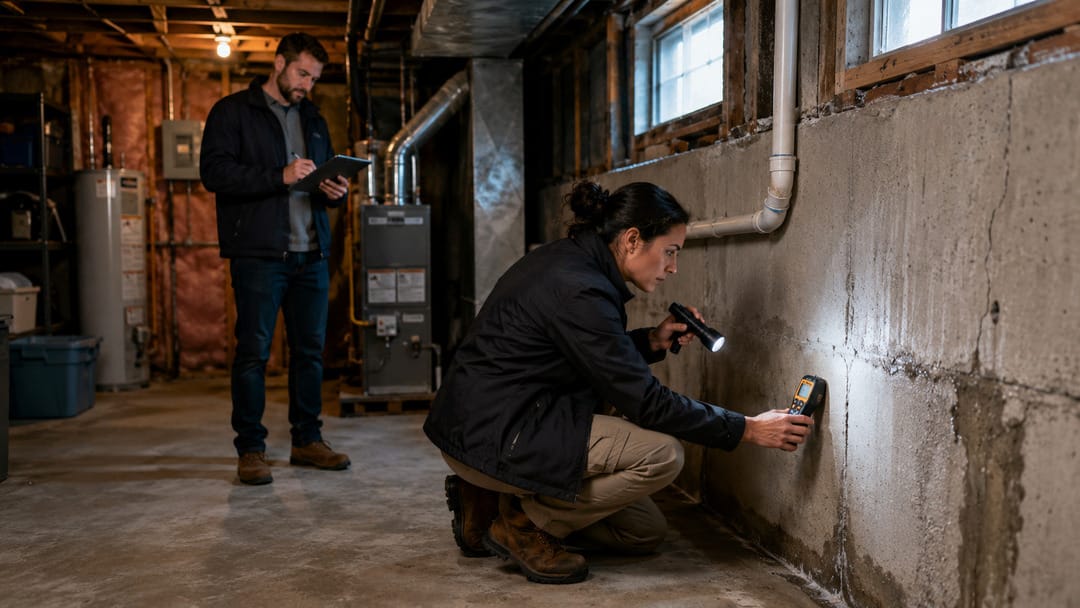
During the showing, look for visible warning signs such as water stains, uneven floors, large wall cracks, damaged siding, aging windows, musty odors, standing water, or recently patched areas. Ask about the age of major systems and whether replacements, additions, or renovations were completed professionally.
A showing cannot replace an independent home inspection. The Consumer Financial Protection Bureau advises buyers to arrange an inspection promptly and explains that inspection findings may support repair negotiations or cancellation when the contract includes appropriate protection.
Use the first visit to identify questions for the seller, agent, or inspector. A polished room should never end the investigation.
| Area to Review | Question to Ask | Possible Offer Impact |
|---|---|---|
| Roof and exterior | How old are the roof and exterior materials? | Repair allowance or lower price |
| Foundation and drainage | Are cracks, moisture, or grading issues visible? | Specialist review or contingency |
| Major systems | When were HVAC, plumbing, and electrical systems updated? | Replacement budget |
| Renovations | Were additions and major alterations permitted? | Document review |
| Appliances and fixtures | Which items remain with the property? | Written inclusion in offer |
| Occupancy | When can the seller deliver possession? | Closing or move-in terms |
The Neighborhood Can Rewrite the Property’s Value
A buyer is purchasing a location as well as a structure. Visit the area at different times when possible because traffic, parking, noise, lighting, and nearby activity can change between a quiet afternoon showing and a weekday commute.
Test the routines that would shape daily life. Consider travel time to work, schools, medical services, shopping, public transportation, and the places visited regularly. A house that requires an exhausting commute or creates constant logistical problems may not remain attractive after the novelty fades.
Look beyond the immediate block. Vacant properties, planned construction, commercial activity, road projects, drainage conditions, and neighborhood maintenance can influence enjoyment and resale appeal. Buyers considering a homeowners association should also review available information about dues, restrictions, maintenance responsibilities, and approval rules.
Location problems are rarely repaired after closing. A dated kitchen can be renovated, but persistent noise, difficult access, or an unsuitable commute usually cannot.
Comparable Sales Matter More Than the Asking Price
The listing price is a seller’s position, not proof of market value. Before offering, review recent sales of reasonably similar homes in the surrounding area, paying attention to property type, size, condition, lot characteristics, location, and significant upgrades.
Active listings provide useful competition data, but they reveal what sellers hope to receive rather than what buyers have actually paid. Pending sales may offer clues about current demand, although the final price may not yet be public.
Comparable sales require interpretation. A renovated home with a newer roof and updated systems should not be treated as identical to a property needing substantial work merely because the square footage is similar. Differences in street position, layout, parking, school boundaries, and lot usability may also affect value.
Use the comparison to establish a defensible range rather than chasing a perfect number. The right offer reflects evidence, condition, and risk, not only the fear that another buyer may act first.
Repair Costs Belong in the Offer Calculation
Visible defects should be translated into estimated costs before the buyer decides how aggressively to bid. Separate cosmetic preferences from urgent work involving safety, water intrusion, structural stability, roofing, electrical hazards, plumbing failures, or mechanical systems.
Avoid assuming that every repair will be inexpensive or that the seller will agree to fix it. Initial estimates should include labor, materials, permits where applicable, and the possibility that opening walls or removing damaged materials may reveal additional work.
Repair needs can affect the proposed price, requested seller credit, inspection terms, closing schedule, and the amount of cash the buyer should retain after closing. A credit may reduce money due at settlement, but the buyer may still become responsible for arranging and completing the work.
A low purchase price does not automatically create a bargain when immediate repairs consume the savings. The relevant figure is the likely cost of purchasing, repairing, insuring, and maintaining the property.
Disclosures Should Create Questions, Not Reassurance
Seller disclosures can reveal known defects, insurance claims, water intrusion, boundary disputes, structural movement, roof problems, environmental concerns, or unpermitted work. Requirements differ by location, so buyers should understand which forms and disclosures apply to the transaction.
Read every answer closely. Blank spaces, vague explanations, repeated repairs, and statements such as “unknown” may justify follow-up questions. Request available invoices, warranties, permits, inspection reports, or contractor documentation when the seller refers to completed work.
For most housing built before 1978, buyers should also understand the applicable federal lead-disclosure requirements. Sellers must provide specified information about known lead-based paint and related hazards before a covered sales contract is signed.
A disclosure is not a guarantee that no other problems exist. It reports information available to the seller within the rules that apply; it does not provide the independent evaluation an inspection can deliver.
Offer Conditions Decide How Much Risk You Keep
Price receives the most attention, but contract terms often determine whether the buyer can respond when financing, appraisal, inspection, title, insurance, or property-condition problems appear. The strongest offer is not always the one with the fewest protections.
Review the proposed inspection period, financing deadline, appraisal language, earnest-money terms, closing date, possession date, included fixtures, seller concessions, and procedures for handling repairs. Local contracts and laws vary, making professional guidance valuable before signing.
Pressure to compete can encourage buyers to shorten deadlines or waive safeguards without calculating the consequences. Before removing a contingency, identify the financial exposure created and decide whether the household could absorb it. Winning the property does not erase the cost of an unsupported appraisal, major defect, or failed financing plan.
Knowing what to check before making an offer on a house gives the buyer a basis for setting price and terms instead of reacting to presentation or urgency. The goal is not to eliminate every uncertainty. It is to understand the property well enough that acceptance of the offer remains an informed decision rather than an expensive surprise.
FAQs
Should I get an inspection before making an offer?
Most inspections occur after an offer is accepted, subject to the contract. Buyers can still examine visible conditions beforehand and use an inspection contingency to preserve options when serious defects appear.
How many comparable sales should a buyer review?
There is no universal number. A useful comparison includes enough recent, nearby sales to identify a credible range while accounting for differences in size, condition, location, features, and property type.
Can a buyer change an offer after discovering repairs?
The available options depend on the purchase contract, inspection contingency, deadlines, seller response, and local law. Buyers may request repairs, seek a credit, renegotiate, accept the condition, or withdraw when permitted.