
Buying a property can be scary, making sure it’s a good investment. That’s where a detailed check comes in. It gives you home inspection tips to help you through.
A skilled inspector checks the property you want to buy. They look for any problems before you finalize the deal. This way, you know exactly what you’re getting.
It’s like a health check for your future property. Just as you check a car’s engine, you should inspect a property. This step is key to making smart choices and avoiding costly mistakes later.
Common Issues Found
A home inspection is more than a formality. It’s a key step in finding problems with your future home. When you buy your first home, a first home inspection can uncover many issues. These can save you from expensive surprises later.
Structural and System Issues
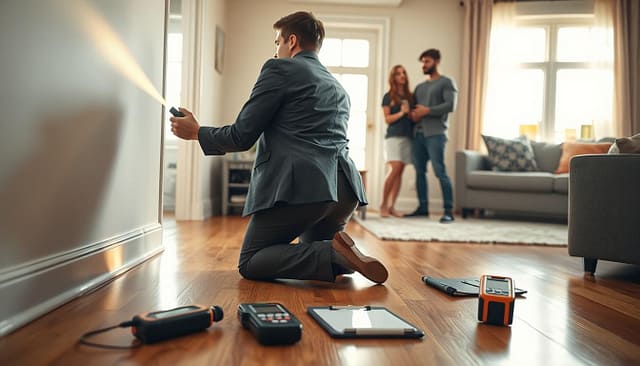
Home inspections check the foundation, structure, electrical systems, plumbing, and HVAC. Problems in these areas can be small or big home defects. They can make the home unsafe or lower its value a lot.
Structural damage needs quick fixes to avoid high costs. Old or broken electrical systems are dangerous. The National Association of Realtors says common issues include roof problems, plumbing leaks, and HVAC failures.
| Issue Type | Description | Potential Cost |
|---|---|---|
| Structural Damage | Cracks in foundation, uneven floors | $5,000 – $20,000+ |
| Electrical Issues | Outdated wiring, insufficient outlets | $1,000 – $5,000 |
| Plumbing Leaks | Leaky faucets, burst pipes | $500 – $3,000 |
Knowing about these issues helps homebuyers make better choices. It can help you get a better price or decide not to buy. Knowledge is key in buying a home.
The bottom line? A detailed home inspection is vital for anyone buying a home. It’s not just about finding home defects. It’s about making sure you’re investing wisely.
How to Hire an Inspector
Finding a home inspector is like picking a detective for your dream home. You want someone sharp and thorough. A good inspector can save you from future headaches, like a trusty guide in a complex maze.
Qualities to Look for in an Inspector
When looking for a home inspector, focus on a few key qualities. Certifications and experience are essential. A certified inspector has the knowledge to spot issues. Their reputation also matters; a good reputation shows they’re reliable and thorough.
Here are some home inspection tips to remember:
- Look for certifications from groups like the American Society of Home Inspectors (ASHI) or the International Association of Certified Home Inspectors (InterNACHI).
- Ask friends, family, or your real estate agent for referrals. They can share their experiences.
- Check the inspector’s sample reports to see if they’re detailed and clear.
Here’s a comparison to help you decide what to look for in an inspector:
| Criteria | Ideal Characteristics | Red Flags |
|---|---|---|
| Certifications | ASHI or InterNACHI certified | Lack of recognized certifications |
| Experience | Several years of experience, in your area | Limited experience or local unfamiliarity |
| Reputation | Positive reviews and referrals | Consistently negative feedback |
By carefully looking at these factors and following these home inspection tips, you can find a reliable inspector. They’ll give you a detailed look at your future home.
Inspection Checklist
A thorough inspection is key to spotting home defects before buying. It can turn a dream home into a nightmare.
A Thorough Inspection Process
Inspecting a property means checking several important areas. First, look at the foundation and structure. Cracks or shifting can mean big problems later.
Then, examine the electrical systems. Check the main panel and outlets for wear or outdated parts.
What to Check During an Inspection
- Condition of the foundation and structure
- Electrical systems, including the main panel and outlets
- Plumbing, focusing on pipes, fixtures, and water pressure
- HVAC systems for efficiency and functionality
- Roofing condition, including signs of wear or damage
- Signs of water damage or leaks
- Evidence of pest infestations
| Inspection Area | Key Factors | Potential Issues |
|---|---|---|
| Foundation & Structure | Cracks, shifting, settling | Structural damage, costly repairs |
| Electrical Systems | Main panel, outlets, wiring | Outdated components, fire hazards |
| Plumbing | Pipes, fixtures, water pressure | Leaks, water damage, poor water quality |
Using a detailed checklist helps homebuyers understand a property’s condition. It’s a smart move to avoid unexpected costs and negotiate better terms.
Negotiating Repairs
With the inspection report in hand, buyers can start negotiating repairs or a better price. This document is a powerful tool that can significantly influence the negotiation process.
The inspection report highlights the property’s condition, revealing any issues that could become costly if left unaddressed. Armed with this information, buyers can approach the seller with a solid case for repairs or a price reduction, thanks to a thorough first home inspection.
Effective Negotiation Strategies
To negotiate effectively, buyers should prioritize the issues identified in the inspection report. Not all problems are created equal; some are deal-breakers, while others are minor.
Buyers should also consider the cost of repairs and how it affects their overall budget. This will help in making a strong case for either repairs or a reduction in the purchase price.
A key aspect of negotiation is being realistic about what can be achieved. Buyers should be prepared to compromise on certain issues, if the seller is unwilling to budge on major repairs.
- Identify critical issues that impact the property’s value or safety.
- Research the cost of repairs to make informed requests.
- Be prepared to negotiate; it’s rare for a seller to agree to all requested repairs.
Deal-Breakers vs. Fixable Problems
Home inspections reveal different types of issues. Some are deal-breakers, while others can be fixed. But how do you tell the difference?
Assessing the Severity of Home Defects
It’s important to judge the severity of home defects. Are they small issues or major problems? For example, a leaky faucet is easy to fix, but foundation issues are much more complex and expensive.
Home inspection tips advise buyers to prioritize their concerns. They should consider the cost of repairs, how it affects the property’s value, and any risks. This helps buyers decide if they should buy or not.
Whether to buy or not depends on the buyer’s comfort with risks. Knowing the difference between deal-breakers and fixable problems helps buyers make informed decisions. They can then navigate the home-buying process with confidence.