

Finding the perfect neighborhood for your family can be tough. You have to balance tight budgets, work, and your kids’ needs. A beautiful home isn’t enough if the neighborhood isn’t good for you. We’ll look into neighborhood selection to make sure it fits your priorities.
When choosing a neighborhood, think about commute times, safety, schools, and lifestyle. It’s not just about the house. It’s about the community, amenities, and quality of life. By considering these, you can choose a neighborhood that improves your life and meets your family’s needs.
So, what are the key considerations? Look at commute times, safety records, school ratings, and amenities. This will help you find the best neighborhood for your lifestyle.
Research Tools
Finding the perfect neighborhood is a mix of online research and talking to people. Today, lots of info is just a click away. But, it’s the personal stories that really show what a neighborhood is like.
Online Resources and Community Insights
Websites like niche.com are full of useful data. You can find school rankings, crime stats, and info on who lives there. These tools give a big picture of a neighborhood’s features.
- Check school rankings to ensure you’re in a good district
- Review crime statistics to gauge safety
- Explore demographic data to understand the community’s makeup
But, numbers don’t tell everything. Engaging with the local community is key. Go to local events, visit shops, and talk to people. This gives a deeper look at the neighborhood’s vibe.
- Niche.com for detailed neighborhood info
- Local government sites for zoning and plans
- Community forums and social media for neighborhood talks
By using online tools and talking to locals, you can make a smart choice. Are you looking for safe neighborhoods with great schools? Or maybe you want a certain lifestyle? A mix of research and personal stories will help you find the best neighborhood for you.
Visiting Tips
Choosing the right neighborhood starts with a visit, not just online research. Seeing a neighborhood in person gives you a real feel for the community.
Observing Neighborhood Dynamics
It’s important to see how a neighborhood feels. Spend time there at different times to understand it better. Is it busy or quiet? Look at traffic, noise, and community events.

Visiting at different times shows a neighborhood’s true character. Morning and evening visits can tell you a lot. Are there community events that bring people together?
When you visit, consider a few things:
- Traffic and parking conditions
- Noise levels during the day and night
- Presence of community activities or events
- Overall cleanliness and maintenance of the area
Use a table to compare neighborhoods:
| Neighborhood | Traffic | Noise Level | Community Activities |
|---|---|---|---|
| Neighborhood A | Moderate | Low | Frequent |
| Neighborhood B | High | High | Rare |
| Neighborhood C | Low | Moderate | Occasional |
By visiting neighborhoods, you can choose the best one for you. Remember, find a neighborhood that meets your needs and improves your life.
Neighborhood Red Flags
Looking for your dream neighborhood? Knowing the red flags can help avoid future problems. It’s like checking the weather before a picnic; you want to know what’s ahead.
Signs of a Troubled Neighborhood
What signals a neighborhood might be troubled? Let’s explore some key signs. High crime rates are a big warning. You can look up crime stats online or talk to local police to understand the area’s safety.
- Frequent reports of theft or vandalism
- Visible signs of gang activity
- High incidence of violent crimes
School rankings are also important. Even if you’re not a parent, good schools can boost property values and community spirit. Check school rankings on sites like GreatSchools.org or Niche.com.
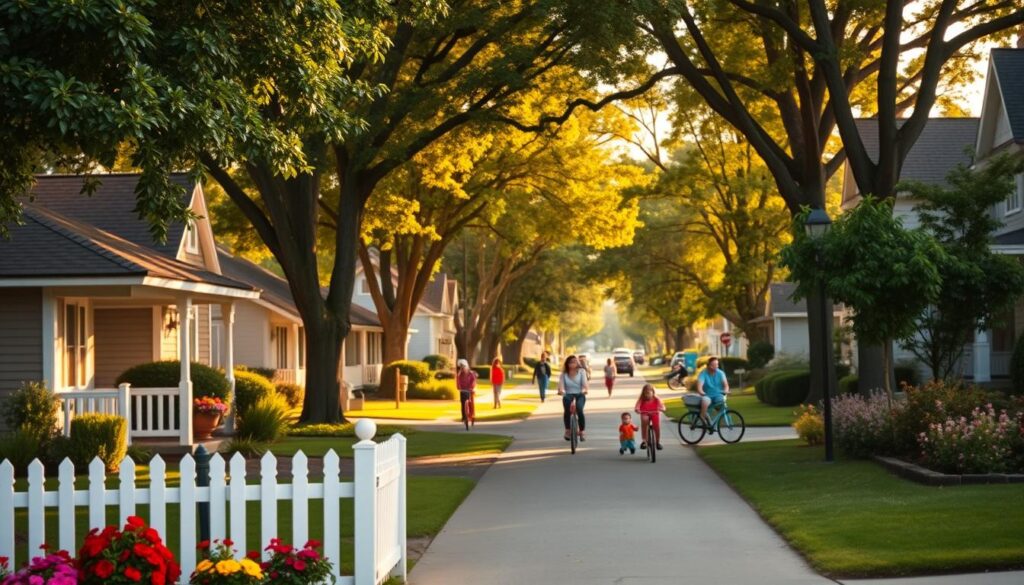
Visible neglect is another warning. Abandoned homes, overgrown lots, and disrepair show a lack of community pride. It might mean the neighborhood is in decline.
- Look for well-maintained homes and public spaces
- Check if local businesses are thriving or closing down
- Observe the overall cleanliness and upkeep of the area
When checking a neighborhood, it’s not just about meeting your needs. It’s about investing in a community that supports your life. By being careful and doing your homework, you can find the best neighborhood that fits your values and needs.
Balancing Needs & Wants
Finding the perfect neighborhood means knowing what you need versus what you want. It’s important to understand your priorities when choosing the right neighborhood. This helps you find a place that fits your lifestyle and preferences.
Prioritizing Your Requirements
To find the best neighborhood, list your needs and wants. Needs are must-haves like safety, a good commute, and quality schools. Wants are nice-to-haves that make a neighborhood appealing but aren’t essential.
Think about these when setting your priorities:
- Safety: A low crime rate is vital for feeling secure.
- Commute Time: A short commute improves your life quality.
- School Quality: Good schools are key if you have kids.
- Lifestyle Amenities: Parks, gyms, and cultural events add to your experience.
Be ready to make some trade-offs. You might choose a neighborhood with great schools but a longer commute. Or, you might prefer a place with a lively culture but higher crime rates. The main thing is to know what you can’t compromise on and focus on those first.
By focusing on what’s important to you and being flexible, you can find a neighborhood that suits you well. Remember, the goal is to find a place that matches your lifestyle and preferences. This way, finding the best neighborhood will be a rewarding experience.
Future Resale Considerations
When you buy a home, the neighborhood matters a lot. What makes a neighborhood great can really boost your home’s value. Good schools and safe areas are key to a home’s value growing over time.
Key Factors Influencing Resale Value
Neighborhoods with nice amenities and low crime rates keep their value. Think about how your neighborhood choice will affect your home’s future value. Focus on schools and safety to make a smart choice for now and later.
Choosing the right neighborhood is key for your life and your home’s value. By looking at these factors, you can keep your home a good investment.