
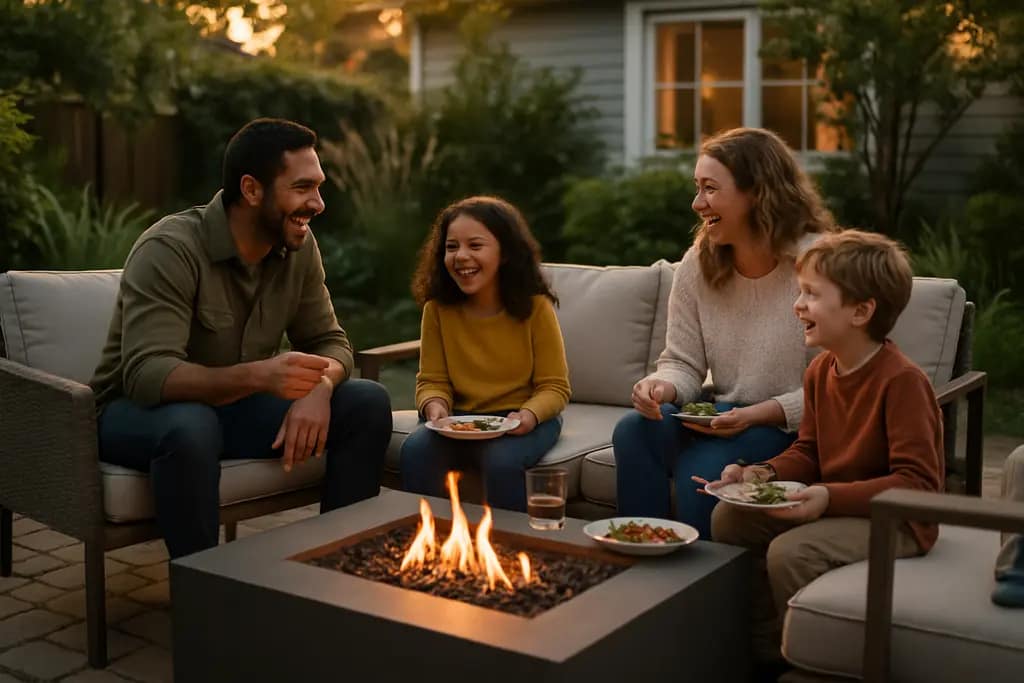
Outdoor Comfort Trends are reshaping how some buyers read yards, patios, balconies, shade, lighting, and community green space, but the value signal is local rather than automatic. For home shoppers, the practical question is not whether an outdoor area photographs well. It is whether the space is usable, safe, maintained, and supported by buyer demand in that specific neighborhood.
Outdoor comfort has moved beyond a grill and a patch of lawn. Buyers are weighing seating areas, shade, privacy, lighting, access to nature, and shared amenities with more care. That does not mean every deck, fire pit, or outdoor kitchen deserves a premium. A feature can add daily livability while still carrying repair, insurance, permitting, or maintenance questions that should be checked before an offer price reflects extra value.
Outdoor Comfort Trends And Local Value Signals
Why Outdoor Comfort Trends Matter To Buyers
Wellness-oriented design is one reason outdoor areas are getting more attention. In an October 16, 2025 article, the National Association of Realtors reported that homes and communities designed around wellness features such as clean air and water, natural light, access to nature, trails, and shade were commanding 10% to 25% higher resale values, based on work cited from NAR and the Global Wellness Institute NAR wellness research. That is a broad market signal, not a promise that a single backyard project will return a set amount.
The cautious reading is simple: buyers often value outdoor space most when it supports everyday use. Shade can make a patio more comfortable in hot months. A seating area can make a small yard feel functional. A trail, park, or greenbelt can add value for buyers who prioritize time outdoors. Still, local housing supply, lot size, climate, neighborhood price tier, and the quality of the improvement affect how much buyers are willing to pay.
Comfort Is Different From Feature Count
A listing may advertise several outdoor features without proving that the space works well. A buyer should ask whether the area has comfortable circulation, enough privacy, manageable sun exposure, safe walking surfaces, and reasonable upkeep. A narrow patio with expensive fixtures may be less useful than a simpler shaded area with durable seating and clear access from the kitchen or living room.
Outdoor Comfort Trends do not erase basic property checks. Drainage, grading, deck condition, exterior lighting, railings, steps, retaining walls, and tree health can all affect safety and cost. If any outdoor system involves gas, electrical work, structural supports, drainage changes, or built-in fire features, buyers should rely on qualified professionals and local permit records rather than visual impressions alone.
What The 2026 Outdoor Renovation Data Shows
Seating Leads Many Outdoor Projects
The 2026 U.S. Houzz Outdoor Trends Study, published on June 2, 2026 and based on 2025 projects, found that 83% of renovated outdoor spaces included a lounge or seating area, while 71% included sofas or lounge chairs Houzz outdoor trends study. That data points to a practical shift: owners are not only adding decorative features; many are trying to make outdoor areas usable for resting, gathering, and daily living.
For buyers, this helps explain why a comfortable outdoor area can stand out in a listing. Seating, shade, and lighting are easier to imagine using regularly than a feature that looks impressive but has limited function. The strongest signal is not the presence of furniture during showings; it is whether the built environment supports that use after the staging is gone.
Condition Should Weigh More Than Marketing Language
Outdoor living language can be broad. A listing might describe a yard as an entertaining space, but the actual value depends on condition and fit. Buyers should examine whether patio surfaces are cracked or uneven, whether deck boards feel soft, whether stairs and railings appear secure, and whether lighting is properly installed. These checks do not replace an inspection, but they help buyers decide what to ask about before negotiations.
Maintenance matters as well. A landscaped yard may appeal to some buyers and feel costly to others. A pool, outdoor kitchen, or fireplace may carry ongoing service needs. A shaded lot can feel comfortable but may also involve leaf cleanup or tree care. None of those details automatically remove value; they simply belong in the same conversation as price.
How Outdoor Comfort Trends Show Up In Listings
Compare Private Space With Shared Amenities
Some buyers will place more value on a private patio or fenced yard. Others may accept less private space if the neighborhood offers trails, parks, shared green areas, or community gathering spots. This is where local comparison matters. A condo with a balcony may compete differently from a single-family home with a yard, even if both listings use similar outdoor lifestyle language.
If you are comparing listings across nearby markets, checking a related home search resource such as J. Siemering Homes can provide insights into how outdoor features appear in real listings rather than in national trend language. For more planning context on why comfort can outrank resale math for owners, this related discussion of outdoor comfort choices is a useful companion.
Separate Comfort From Cost Risk
A buyer should avoid paying for every outdoor feature as if it were new, permitted, and low-maintenance. Ask whether built-in systems were professionally installed. Review disclosures and available permit history. If the property has an outdoor kitchen, fireplace, deck, retaining wall, pergola, lighting system, irrigation system, or drainage work, the inspection period should be used carefully.
Outdoor Comfort Trends can make homes feel more livable, but a poorly built feature can become a repair item rather than an asset. This is especially true where weather exposure is significant. Sun, moisture, freeze-thaw cycles, wind, pests, and soil movement can all shorten the life of outdoor materials. Buyers do not need to reject a home because work is older, but they should price the condition they are actually receiving.
A Buyer Checklist For Local Value

Questions To Ask Before Paying More
Outdoor areas are best evaluated the same way buyers evaluate kitchens, roofs, and mechanical systems: with attention to use, age, condition, and replacement risk. A calm checklist can keep the showing from becoming a lifestyle impulse purchase.
- Compare the home with nearby sold properties that have similar outdoor features, not only similar interior square footage.
- Ask whether decks, built-ins, gas lines, electrical work, drainage changes, and major hardscaping had permits where permits were required.
- Look at sun exposure, shade, privacy, slope, drainage, and noise at different times if a second showing is possible.
- Estimate maintenance needs for landscaping, surfaces, irrigation, lighting, pools, fire features, and outdoor appliances.
- Check whether the outdoor area fits your actual habits rather than an imagined hosting routine.
- Review HOA rules, rental rules, pet rules, and community amenity access where relevant.
- Use qualified inspectors or contractors for safety-sensitive concerns rather than relying on appearance.
This kind of review is especially helpful in competitive markets. A buyer may still decide that a comfortable outdoor area is worth paying for, but the decision should be tied to comparable value and realistic ownership costs. If the premium depends mainly on staging, mood lighting, or a broad lifestyle claim, it deserves more scrutiny.
Using Outdoor Comfort Trends In A Home Search
A Cautious Way To Rank Properties
Outdoor Comfort Trends can support home value when they match local buyer demand, improve daily use, and are built and maintained well. They are less persuasive when the feature is costly to maintain, poorly documented, unsafe, or out of step with the neighborhood. Buyers should treat outdoor space as part of the whole property, not as a separate bonus immune from inspection and pricing discipline.
A practical ranking system can help. Give more weight to outdoor areas that are shaded, accessible, structurally sound, flexible, and easy to maintain. Give less weight to features that look appealing but would require immediate repair or specialized service. For many buyers, the strongest outdoor value is not the most expensive installation. It is the space that safely extends everyday living without creating surprise costs after closing.