

Planning an Outdoor Living Project before or soon after buying a home should start with how the space will actually be used, not with a catalog of features. The 2026 data points to outdoor areas becoming daily-use extensions of the home, with seating, dining, quiet areas, lighting, irrigation, and professional installation showing up often enough that buyers should treat them as budget and inspection topics.
Outdoor Living Project Priorities In 2026
The clearest pattern in the 2026 U.S. Houzz Outdoor Trends Study is that outdoor areas are being planned around use. Houzz reported that its study was fielded from April 25 to May 6, 2026, and included 1,191 homeowners; 83% of renovated outdoor spaces included a lounge or seating area, and 71% of those lounge spaces featured sofas or lounge chairs, according to the Houzz outdoor study.
For a buyer, an Outdoor Living Project should be tested against everyday routines. A seating area that works for morning coffee, a shaded place to read, or a table near the kitchen may be more useful than a larger project that strains the budget. The data supports comfort and usability, but it does not prove that every feature will raise resale value or suit every market.
Outdoor Living Project Scope Questions
Before pricing materials or calling contractors, define the main use. Is the goal quiet seating, outdoor meals, cooking, child-friendly play, pet space, entertaining, or lower yard maintenance? A project that tries to solve every need at once can become expensive quickly, especially when it requires new power, plumbing, gas, drainage, shade, or structural work.
Buyers should also separate immediate needs from later phases. Seating, shade, safe paths, and lighting may deliver more practical value early than a larger cooking zone. For buyers still comparing homes, a clear project scope can also help distinguish a property with usable existing space from one that will require major exterior spending soon after closing.
What The 2026 Data Says About Use
Outdoor renovations in 2026 were not limited to one activity. Houzz Pro reported that dining areas appeared in 55% of renovated outdoor spaces and quiet retreats, such as reading areas, appeared in 53%. It also reported that professional involvement reached 71% of homeowners hiring at least one professional for outdoor or exterior renovation projects, up from 65% in 2024, in its outdoor trends report.
That combination matters for home buyers. Dining, lounging, and quiet space each place different demands on layout. Dining benefits from proximity to the house and level walking surfaces. Lounge areas often need shade, weather-resistant furniture, and enough circulation room. Quiet retreats depend more on privacy, sound, and sun exposure than on size alone.
Use Zones Should Come Before Features
A practical plan starts by mapping zones. Place the table where carrying food is reasonable. Put lounge seating where it will not block doors, stairs, or paths. Keep quiet seating away from mechanical equipment, driveways, and high-traffic areas when the lot allows it. These choices are less exciting than selecting finishes, but they reduce the risk of paying for a space that looks complete and feels inconvenient.
For buyers, this can become part of the showing and inspection process. Walk the yard at different times if possible, observe sun exposure, look for drainage concerns, and ask whether exterior additions were permitted where permits were required. Those checks do not replace professional advice, but they help frame the right questions before money is committed.
Systems, Safety, And Professional Scope
The more an outdoor area functions like an interior room, the more systems it may need. The 2026 Houzz Pro data on outdoor kitchen projects reported that 68% included infrastructure upgrades such as plumbing, electrical, or heating; 61% included appliances; 37% included built-in storage; and 25% included roofing. Those are not minor weekend tasks for most households.
An Outdoor Living Project that depends on electrical circuits, gas lines, plumbing, drainage changes, roofing, structural posts, or heating equipment should be reviewed by qualified professionals. Homeowners should not attempt unsafe DIY work in these areas. Improper installation can create fire, shock, leak, carbon monoxide, structural, or drainage risks, and local permit rules may apply.
| Project Element | Buyer Question | Safety Boundary |
|---|---|---|
| Lighting | Is there safe, code-compliant power where it is needed? | Use a qualified electrician for new exterior circuits. |
| Outdoor Cooking | Will appliances require gas, electric, ventilation, or cover? | Use licensed trades for gas, electrical, and built-in appliance work. |
| Shade Or Cover | Is the structure attached, freestanding, or load-bearing? | Use qualified pros for structural design and installation. |
| Water Or Irrigation | Will the plan affect drainage or create freeze risk? | Use qualified plumbing or irrigation help where systems are involved. |
For a buyer, the cost question is not only the installation quote. Maintenance, seasonal service, replacement parts, appliance life, water use, utility use, and insurance considerations can affect the ownership budget. Outdoor upgrades should be compared with other near-term needs such as roof age, HVAC condition, windows, grading, and drainage.
Yard Choices That Affect Maintenance
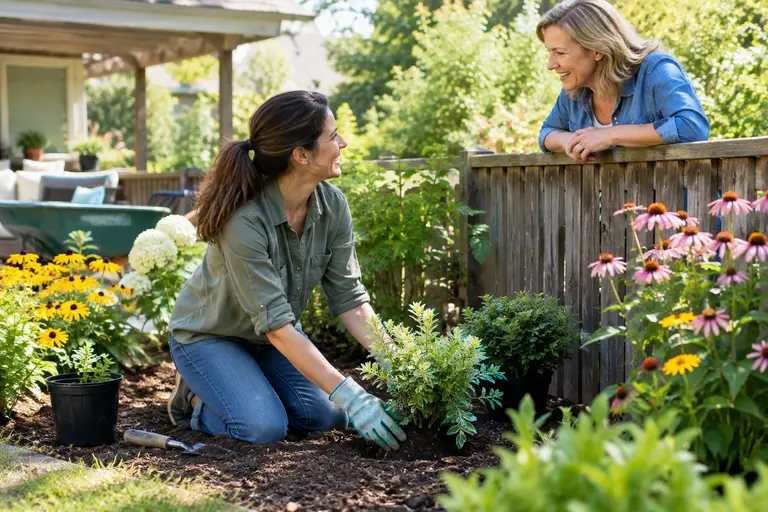
The 2026 trend data also points toward lower-maintenance planting choices. Houzz Pro reported that low-maintenance plants were chosen by 73% of homeowners, native species by 55%, pollinator-friendly plants by 56%, and drought-resistant plants by 49%. It also reported irrigation systems in 58% of outdoor renovation projects and yard lighting in 77%.
Those numbers suggest homeowners are trying to reduce upkeep while keeping outdoor areas usable. Buyers should still be cautious. A lower-maintenance planting plan can reduce routine labor, but it does not eliminate pruning, watering during establishment, replacement of failed plants, mulch, pest pressure, or seasonal cleanup. Irrigation can help plants survive, but it also needs monitoring, repair, and winterization in some climates.
Maintenance Should Be Priced Honestly
Ask how much time the yard will require in a normal week and what tasks need a contractor. A property with a large outdoor area may look appealing during a showing, yet become expensive if the buyer lacks time, tools, or physical ability to maintain it. This is especially relevant for first-time buyers who are moving from apartments or smaller lots.
A cautious plan also accounts for weather exposure. Furniture, shade fabrics, decking, lighting fixtures, and exterior outlets all face sun, moisture, temperature changes, and wear. Buyers comparing homes should treat outdoor features as assets only when they are functional, safe, and realistically maintainable.
How Buyers Should Read Outdoor Upgrades
Outdoor improvements can make a home more enjoyable, but buyers should not assume that every finished patio, kitchen, or covered area carries equal value. Condition and documentation matter. Ask what was built, when it was installed, who performed the work, whether permits were needed, and whether any warranties or service records are available.
Resale value should be treated cautiously. The research notes show a shift toward homeowners renovating for accommodation and usability rather than listing value alone, but that does not provide a guaranteed return for a specific property. Local buyer expectations, lot size, climate, neighborhood norms, and project condition can all influence how much a future buyer values the improvement.
- Prioritize safe access, shade, lighting, drainage, and comfortable seating before optional add-ons.
- Budget for professional help when power, plumbing, gas, roofing, structural work, or built-in appliances are involved.
- Review maintenance needs before assuming a large outdoor area will be easy to own.
- Keep project records, permits, manuals, and contractor information for future resale conversations.
For readers comparing different types of property use, Weekender Villas provides insight as a related real estate site in the same network. Buyers planning a project on a primary home should still base decisions on the specific house, climate, local rules, and budget.
If you want a related planning framework, this site also covers outdoor project planning for 2026 with a similar focus on scope, professional help, and safer project choices.
Outdoor Living Project Decisions For Buyers
Treat an Outdoor Living Project as part of the full home-buying budget rather than a separate wish list. A buyer who spends heavily right after closing may have less cash available for repairs, moving costs, utility deposits, insurance deductibles, or early maintenance surprises. That risk grows when the outdoor plan involves built-in systems or multiple trades.
A measured approach is to rank the project by function, safety, and timing. Start with the space that will be used most often. Confirm drainage and access before adding finishes. Price the work with realistic labor assumptions. Bring in qualified professionals for high-risk systems. Keep records so the next buyer can understand what was installed and how it was maintained.
The 2026 renovation data supports a clear direction: homeowners are using outdoor areas as practical living space, not just decoration. For buyers, the best plan is one that fits the home, stays within a disciplined budget, avoids unsafe DIY work, and creates a space that can be maintained after the excitement of closing has passed.