

Buying your first home is a big step. It’s a chance to build equity and achieve the American dream. If you’re new to the housing market, you might feel overwhelmed by the home buying process.
The world of mortgages, credit scores, and property inspections can seem complex. But with the right help, you can handle it easily.
This guide will take you through the steps of finding and buying your first home. We’ll cover everything from setting your budget to closing the deal. Let’s start this journey to homeownership and make your dream come true.
Budgeting for Your First Home
As a first-time homebuyer, figuring out your budget is key. It’s like setting the route for a trip; without it, you might lose your way. Knowing your financial limits is essential for a smooth home buying journey.
Determining Your Budget
To know how much you can spend, learn about all the costs. This knowledge lets you shop confidently and avoid surprises. Think about your monthly income, job security, and current debts.
For servicemembers, understanding your Basic Allowance for Housing (BAH) is important. By adding up your income, expenses, debts, and credit score, you can find a price range that works for you.
As a first-time buyer, you might qualify for special loans or deals. For example, VA loans offer great benefits for veterans and active-duty personnel. Knowing about these options can help with your budgeting.
- Assess your monthly income and expenses.
- Evaluate your job stability and future income.
- Consider your current debts and credit score.
By considering these factors, you can make smart choices and avoid expensive mistakes. The goal is to be realistic about your finances. This way, buying a home can be both fun and affordable.
Credit Scores & Pre-Approval
Starting your journey to homeownership means having a good credit score. This score can greatly affect your mortgage rate and terms. As a first-time buyer, knowing about credit scores is key to getting a good mortgage.
Understanding Credit Scores
Your credit score is a three-digit number that shows lenders how reliable you are. It’s based on your credit history, including past payments and how much credit you use. A high credit score can lead to better mortgage rates and terms.
Many lenders look for a score of at least 620 for conventional loans. The best rates usually go to those with scores over 720.
- Payment history: On-time payments help your score.
- Credit utilization: Low credit card balances are good.
- Length of credit history: A longer history can raise your score.
- Credit mix: A variety of credit types is beneficial.
- New credit inquiries: Too many can hurt your score.
To improve your score and get better mortgage rates, focus on timely payments and low credit card balances. Also, check your credit report often and correct any mistakes.
Pre-Approval: The Next Step
After improving your credit score, get pre-approved for a mortgage. Pre-approval shows how much you can borrow and proves you’re serious about buying.
| Credit Score Range | Mortgage Rate | Lender Perception |
|---|---|---|
| 720+ | Best available rates | Excellent credit |
| 620-719 | Competitive rates | Good credit |
| Below 620 | Higher rates or rejection | Subpar credit |
Understanding credit scores and improving yours can save you thousands. So, review your credit report, fix any errors, and build a strong credit history.
Finding an Agent
The home-buying process is complex. Having a seasoned real estate agent by your side can make a big difference. They guide you, negotiate, and know the local market well.
The Importance of a Real Estate Agent
A real estate agent is your most valuable ally in buying a home. They help you understand the complex world of real estate. They also provide insights into the local market and negotiate for you.
When searching for an agent, look for someone experienced with first-time homebuyers. They should also know the neighborhoods you’re interested in well.
Here are some key qualities to look for in a real estate agent:
- Experience in handling transactions for first-time homebuyers
- In-depth knowledge of your target neighborhoods
- A communication style that fits yours
- Negotiation skills that can help you get the best deal
- Familiarity with the local market trends
Working with the right agent can make your journey smoother. They can help you avoid common pitfalls and ensure you’re making an informed decision. Ask friends, family, or colleagues who have recently bought a home for referrals.
When you’ve narrowed down your list, interview agents. Assess their experience, knowledge, and communication style. This will help you find an agent who fits your needs well.
The right real estate agent is out there, and with a little research, you can find them. By prioritizing your needs and doing your due diligence, you’ll be well on your way to a successful home-buying experience.
Touring Homes
Finding the right home is all about strategy. As a first-time buyer, having a clear plan is key. This helps you find a home that fits your needs and budget.
Home Shopping Strategies
When looking for a home, know what you must have and what you’d like. Create a checklist with essentials like bedrooms and bathrooms. Also, add nice-to-haves like a backyard or pool.
Think about your budget and how it affects your search. Consider your commute time, school districts, and local amenities. These factors are important when choosing a home.

- Prioritize your needs over your wants.
- Research neighborhoods thoroughly.
- Consider the long-term value of the property.
Using these strategies can make your search easier. You’ll find a home that meets your needs now and in the future.
For first-time buyers, remember it’s not just about a house. It’s about finding a place to build your life. With the right mindset, the process can be exciting.
Evaluating Home Conditions
When touring homes, check the property’s condition. Look at the age, needed repairs, and layout. These details are important.
- Assess the property’s condition.
- Think about your lifestyle and how it fits with the home.
- Evaluate the neighborhood and local amenities.
By carefully looking at these factors, you can make a smart choice. This choice will help you achieve your home shopping goals.
Making an Offer
Creating a strong offer is key in today’s real estate market. When you find the perfect home, it’s time to make an offer. Your real estate agent will guide you through this step, helping you understand the process.
Crafting a Strong Offer
A good offer has several important parts. The purchase price is the most important, as it affects the seller’s choice. Your agent will help you find a price that’s fair and competitive.
The earnest money deposit shows you’re serious about buying the home. It’s usually held in escrow until the sale is complete. The amount should be enough to show your commitment.
The desired closing date is also key. Sellers often want a quick sale, but you might need more time. Your agent will help you find a date that works for both sides.
Contingencies are conditions that must be met for the sale to go through. These include financing, home inspection, and appraisal. They protect you by letting you out if conditions aren’t met.
Key Components of an Offer
| Component | Description | Importance |
|---|---|---|
| Purchase Price | The amount you’re willing to pay for the home. | High |
| Earnest Money Deposit | A deposit showing your commitment to the purchase. | Medium |
| Closing Date | The date when the sale is finalized. | Medium |
| Contingencies | Conditions that must be met for the sale to proceed. | High |
In conclusion, making a strong offer takes careful thought. Knowing the key parts and working with your agent can help you make a standout offer in a competitive market.
Home Inspections
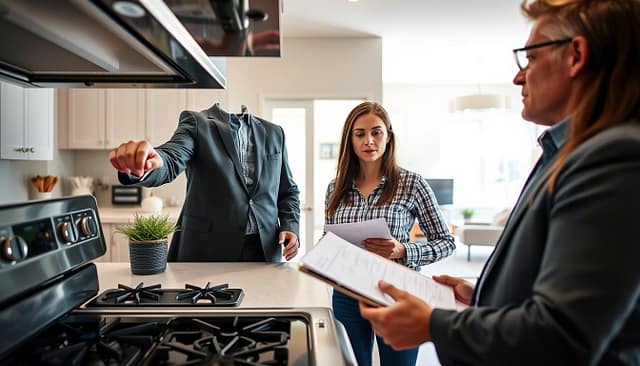
Buying your first home is exciting, but don’t overlook the importance of a home inspection. It’s a key step that can prevent unexpected costs later. As a first-time buyer, you’re eager to own a home. But, it’s vital to check if your dream home has any hidden issues.
The Importance of Home Inspections
A home inspection gives a detailed look at the property’s condition. It helps you spot any problems before you buy. By getting a licensed inspector, you learn about the property’s good and bad points. This info can help you negotiate a better deal.
Key benefits of home inspections include:
- Identifying problems before you buy
- Using the findings to negotiate or ask for repairs
- Avoiding future costly surprises
For example, a home inspection might uncover hidden issues like structural damage or electrical problems. With this info, you can decide if you want to buy the home or talk about changes in the deal.
So, what should you look for in a home inspector? Find a licensed expert with a strong reputation and lots of experience. A good home inspection gives you peace of mind and safeguards your investment.
Closing Process
Closing on a house is like finishing a marathon. It takes endurance, strategy, and some paperwork magic. This final step makes the house yours, after all the hard work.
Finalizing the Sale
A few days before closing, you’ll get your closing disclosure to review. This document shows the final deal details, like the price and loan terms. It’s key to check it over carefully.
Before closing, do a final walkthrough of the property. This ensures it’s in good shape and any agreed repairs are done. The National Association of Realtors says this step is vital to avoid surprises.
On closing day, you’ll sign lots of papers, including the mortgage and deed. This makes you a homeowner officially. Make sure you have all your documents ready and ask questions if needed.
In short, closing is the last step in buying a home. Knowing what to expect helps you get through it smoothly. Then, you can enjoy your new home.
FAQs
Buying a home for the first time can be scary. There are so many things to think about and questions to ask. We’ll answer some of the most common ones to help you understand what’s happening.
Common Queries
Many people wonder about the role of credit scores in buying a home. Your credit score affects the interest rate you get and if you can get a mortgage. Another big question is about real estate agents. A good agent can help you find a home and negotiate the price.
First-time buyers also ask about home inspections and closing. Knowing these steps can help you prepare and avoid surprises. We hope to give you the knowledge you need to make smart choices during your home buying journey.