
Exterior projects ROI is useful for homeowners and buyers, but it should not be treated as a promise that every dollar spent will return the same amount at resale. National cost-recovery reports can show which upgrades have recently performed well, while a specific home still depends on condition, neighborhood expectations, buyer demand, workmanship, climate, and timing.
For 2026 planning, the highest-value exterior work is generally not the flashiest. The strongest reported returns are tied to visible, practical improvements: garage doors, entry doors, manufactured stone veneer, siding, and decks. Roofing, windows, gutters, and painting also matter because buyers often notice deferred exterior maintenance before they notice cosmetic interior changes.
Exterior Projects ROI Starts With Visible Repairs
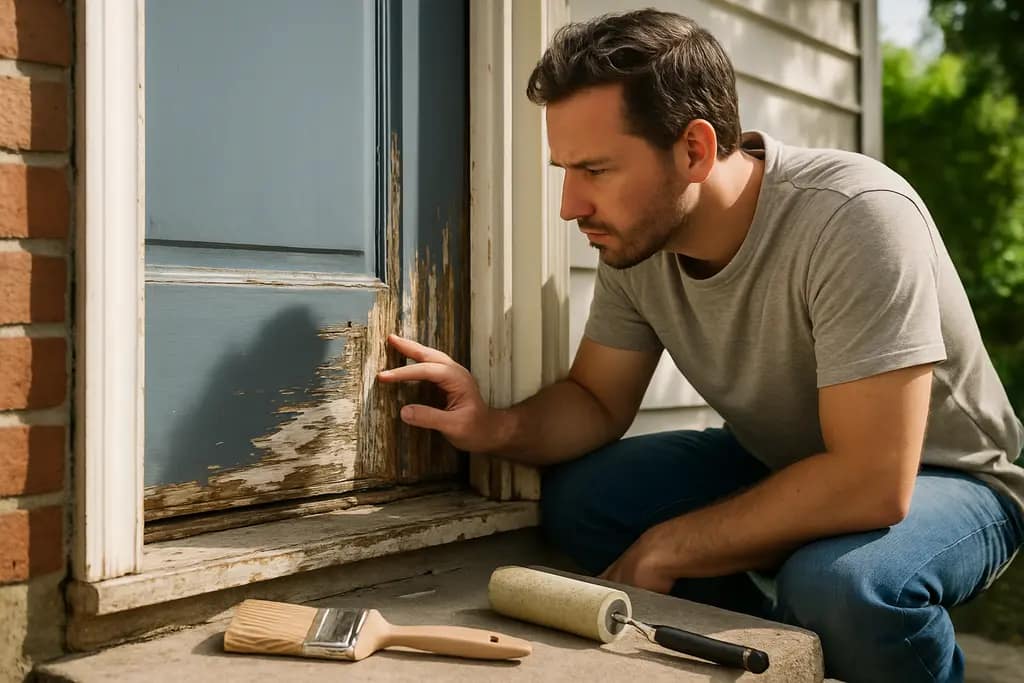
Exterior improvements influence first impressions, but they also signal how well a home has been maintained. A sagging garage door, failing siding, peeling paint, worn entry door, or visibly tired roof can make buyers wonder what else has been postponed. That concern can shape offers even when the interior photographs well.
How Exterior Projects ROI Differs From Maintenance
Not every exterior expense is a value-adding upgrade. Some work is simply maintenance that preserves the property and prevents further deterioration. Replacing a damaged roof, correcting drainage issues, or repairing unsafe steps may be necessary before a buyer can comfortably evaluate the rest of the home. Those projects can still support marketability, but their value is different from an optional design upgrade.
That is why exterior projects ROI should be treated as a screening tool, not a complete project plan. If the home has active water intrusion, unsafe stairs, rotted trim, or failed exterior surfaces, those issues usually deserve attention before appearance-focused spending. Buyers and inspectors tend to respond strongly to visible risk.
Why Street-Facing Work Often Ranks Higher
Several high-return projects affect the front elevation of the home. Garage doors, front doors, and manufactured stone accents are highly visible from the street, which helps explain why they can rank well in national resale studies. They change how a listing presents in photos, during showings, and during a drive-by visit.
Visibility does not remove the need for careful scope control. A modest replacement that fits the home can be more practical than an oversized upgrade that clashes with neighboring properties. For home sellers, the goal is usually to reduce buyer objections and improve perceived care, not to create the most expensive exterior on the block.
What The 2025 Cost Data Shows
The 2025 Zonda Cost vs. Value Report ranked garage door replacement as the top exterior project, with a reported 267.7% cost recouped from an average job cost of about $4,672 and added resale value of about $12,507; the same report listed steel entry door replacement at 216.4% and manufactured stone veneer at 207.9% nationally 2025 Cost vs. Value Report. Those figures are national averages, so they should be used for comparison rather than as a house-specific forecast.
Top Reported Exterior Returns
The reported numbers point toward a practical pattern: smaller, visible exterior projects can sometimes compete with or outperform larger remodels on cost recovery. Garage doors and entry doors are relatively contained projects compared with whole-house exterior work. Manufactured stone veneer costs more than those door projects in the report, but it also has a strong reported return because it changes a prominent part of the facade.
These results do not mean every homeowner should replace those elements before selling. A newer garage door in good condition may not need replacement. A damaged or poorly fitted entry door may deserve attention even if the owner is not selling soon because security, weather resistance, and daily function matter.
Where Decks And Siding Fit
Fiber-cement siding replacement was reported at 113.7% cost recouped, while vinyl siding replacement was reported at 96.5%. A wood deck addition was reported at 94.9%, and a composite deck addition was reported at 88.5%. Those numbers suggest siding and deck projects can support value, but they require closer scrutiny because project size and material choice can change the budget quickly.
Deck decisions should begin with condition and safety. Loose railings, failing supports, soft boards, and questionable ledger connections are not cosmetic concerns. Structural deck work should be evaluated by qualified professionals, and homeowners should check local permit requirements before work begins. If the goal is outdoor usability rather than immediate resale, this related article on High Pro Tools can provide comprehensive insights into tool categories, although project planning must prioritize safety, permits, manufacturer instructions, and expert trades over mere equipment acquisition.
Use 2026 Renovation Trends To Set Scope
Cost-recovery rankings show resale context, while renovation trend data shows what owners actually worked on. The 2026 U.S. Houzz and Home Study reported that among exterior projects, roofing was the most common at 22% of homeowners, followed by windows and skylights at 20%, with exterior painting and gutters each at about 19%; it also reported 2025 median spending of about $13,000 for roofing, $7,000 for windows, and $2,500 for painting 2026 Houzz study.
Common Exterior Projects In The Houzz Study
Roofing, windows, painting, and gutters are not always the highest-ranked resale projects in cost-recovery tables, but they carry practical weight. A roof nearing the end of its service life can affect buyer confidence. Failing gutters can contribute to water management concerns. Windows may affect comfort, appearance, and maintenance expectations, depending on condition.
Those categories also tend to be more condition-driven than style-driven. A buyer may not pay extra simply because a roof was replaced, but an aging roof can become a negotiation issue. For a seller, the question is whether the project removes a credible objection. For a buyer, the question is whether recent exterior work was permitted where required, installed properly, and documented.
Cost Pressure Should Change The Plan
The Houzz study reported that exterior doors had median spending of about $3,000 in 2025, up about 50% from 2024, while decks rose to about $5,000, up about 25%. That cost pressure makes discipline more important. A project that looked reasonable in a prior year may need a fresh bid before a homeowner assumes it still fits the budget.
For tool and equipment research, homeowners can compare categories through the related network site High Pro Tools, but project planning should still put safety, permits, manufacturer instructions, and qualified trades ahead of any equipment purchase. Buying the right tool does not make high-risk work safe for an untrained person.
Safety And Fit Matter Before Resale Math

High-return projects can still create problems if they are installed poorly. Exterior doors need proper fit, weather resistance, and secure operation. Siding and stone veneer need correct moisture control. Roof work involves fall risk and building-envelope details. Decks can involve structural connections, railing loads, stairs, and local code requirements.
Projects That Need Qualified Pros
Homeowners should be especially cautious with roofing, structural deck work, siding systems, exterior electrical lighting, gas lines for outdoor kitchens, and any work that affects drainage or the building envelope. These are not good places for trial-and-error DIY. Mistakes can create leaks, fire hazards, unsafe walking surfaces, or hidden structural issues.
Even projects that look simple can have risk. A front door replacement can affect security and water intrusion. Exterior lighting can involve electrical safety. A garage door has springs, tracks, and moving parts that can cause injury if handled improperly. For medium- and high-risk tasks, hiring a qualified contractor is usually the safer route.
How Buyers Should Read Recent Exterior Work
Buyers should not assume that new-looking exterior work equals high quality. Ask what was done, when it was done, who performed the work, and whether permits or warranties apply where relevant. Review seller disclosures, inspection findings, and contractor documentation rather than relying only on listing descriptions.
Recent exterior improvements can be a positive signal, but they can also hide incomplete repairs. Fresh paint over damaged trim, new stone veneer without proper moisture details, or a deck surface upgrade over an aging frame may not solve the underlying issue. A standard home inspection can help identify concerns, and specialized evaluations may be appropriate if the inspector flags roofing, structural, moisture, or safety questions.
Exterior Projects ROI For 2026 Home Decisions
For 2026, the practical ranking starts with condition, then visibility, then cost recovery. A damaged roof, unsafe deck, failing gutters, or water-related exterior issue should be evaluated before appearance upgrades. After urgent items are addressed, the national data favors visible projects such as garage doors, steel entry doors, manufactured stone veneer, and siding.
A Practical Shortlist For Owners And Buyers
- Start with defects: water entry, safety hazards, failing exterior surfaces, and visibly deferred maintenance.
- Use national ROI as context: garage doors, entry doors, stone veneer, siding, and decks have recent data worth comparing.
- Match the neighborhood: overbuilding for the local market can reduce the usefulness of a high national ranking.
- Keep documentation: permits, invoices, product details, and warranties can help buyers understand recent work.
- Hire pros for risky work: roofing, structural deck repairs, siding systems, exterior electrical, and moisture-sensitive work deserve qualified help.
The strongest exterior projects ROI usually comes from solving visible problems with a scope that fits the house and the market. For sellers, that may mean a targeted garage door or entry upgrade rather than a large remodel. For buyers, it means reading exterior improvements as evidence to verify, not a reason to skip inspection or due diligence.
A careful 2026 plan should ask three questions before spending: Is the project correcting a real condition issue? Is it visible enough to influence buyer perception? Is the cost reasonable compared with the home, the neighborhood, and the owner’s timeline? If the answer is weak on any point, waiting, narrowing the scope, or getting a professional assessment may be the more cautious choice.