
A Home Buying Checklist For First-Time Buyers is not just a neat list of tasks before closing. It is a way to slow down one of the most emotional financial decisions a person can make, especially when listings move quickly and buyers feel pressure to act before they fully understand the numbers.
The first home purchase often feels simple from the outside: get approved, tour homes, make an offer, close. In reality, each step carries decisions that affect cash flow, risk, negotiation power, and long-term comfort, which is why buyers should start with real affordability before comparing paint colors or kitchen layouts.
The Home Buying Checklist For First-Time Buyers Starts Before Listings
The strongest buyers usually do not begin by scrolling through homes. They begin by understanding their financial position, their loan options, and the difference between what they can qualify for and what they can comfortably pay every month.
That distinction matters. A lender may approve a buyer for a certain loan amount, but approval is not the same as peace of mind. Buyers still need to consider utilities, maintenance, insurance, taxes, moving costs, emergency savings, and lifestyle expenses.
Before touring homes, first-time buyers should review income stability, monthly debt, credit score, available savings, and comfort with a down payment. They should also look at official homebuying guidance from HUD’s buying a home resources, especially if they are still learning how affordability, rights, and loan shopping fit together.
A checklist works best when it forces buyers to ask harder questions early. Can this payment still work if insurance rises? Is there enough cash left after closing? Would a repair bill create stress right away? Those answers matter before a buyer walks into a showing.
The Budget Should Include More Than The Mortgage
First-time buyers often focus on the mortgage payment because it is the easiest number to compare. The real cost of ownership is wider. Property taxes, homeowners insurance, mortgage insurance, HOA fees, utilities, lawn care, repairs, and future upgrades can all change the affordability picture.
This is where the monthly payment is not the full cost becomes the most important lesson. A home can look affordable on the loan estimate and still feel tight once the buyer starts paying every recurring bill tied to ownership.
Buyers should create two budgets. The first is the purchase budget: down payment, earnest money, inspection fee, appraisal fee, closing costs, moving expenses, and immediate repairs. The second is the ownership budget: monthly housing payment, utilities, maintenance, insurance, taxes, and savings for repairs.
| Checklist Area | What Buyers Should Confirm | Why It Matters |
|---|---|---|
| Budget | Monthly payment and cash needed to close | Prevents overextending before closing |
| Loan | Pre-approval, rate type, and lender fees | Helps compare real mortgage options |
| Home Search | Must-haves, deal breakers, and location fit | Keeps emotions from controlling the search |
| Offer | Price, contingencies, earnest money, and timeline | Shapes seller confidence and buyer protection |
| Closing | Final documents, walkthrough, and funds | Reduces last-minute surprises |
The goal is not to buy the most expensive home possible. The goal is to buy a home that still allows the buyer to live, save, and handle repairs without constant pressure.
Mortgage Preparation Can Decide How Strong A Buyer Looks
A buyer’s mortgage file can shape the entire purchase. Sellers want confidence that the buyer can close, and lenders want documentation that supports the loan. That means preparation is not just paperwork. It can affect negotiation power.
Before making offers, buyers should compare lenders, ask about fees, understand rate locks, review loan types, and confirm what documents will be required. Pay stubs, tax returns, bank statements, identification, debt information, and explanations for large deposits may all come into play.
Buyers should also avoid major financial changes before closing. Opening new credit, financing furniture, changing jobs without guidance, or moving money in confusing ways can create underwriting problems. A clean file can matter as much as a strong price when a seller is choosing between offers.
The mortgage process also includes documents buyers should read closely, not skim. The CFPB’s Loan Estimate tool can help buyers understand projected payments, closing costs, and loan terms before they move further into the process.
Touring Homes Requires Discipline, Not Just Taste
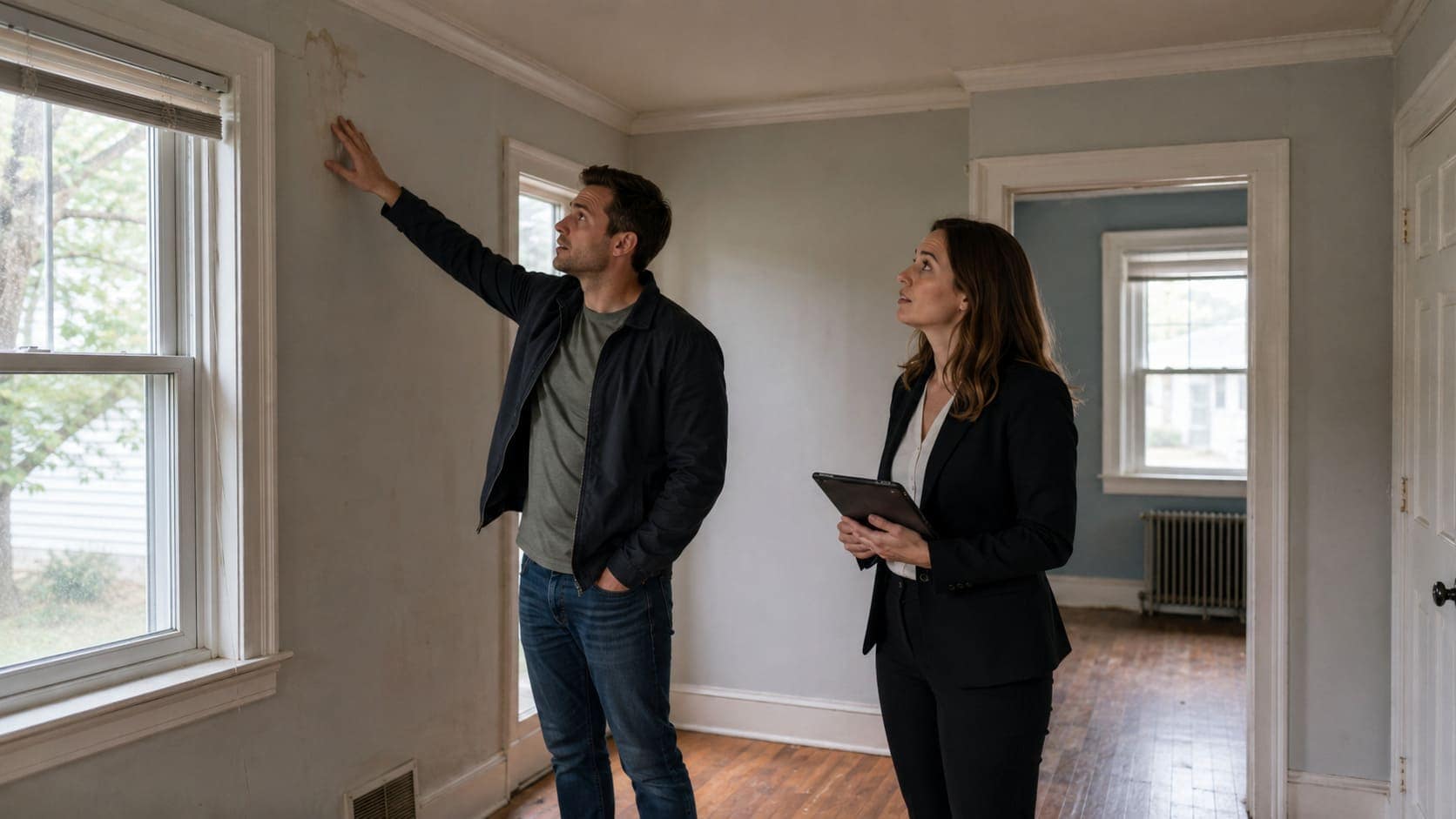
Home tours can create false confidence. A staged living room, fresh paint, or bright kitchen can distract buyers from roof age, water stains, electrical concerns, plumbing issues, layout problems, or a location that does not fit daily life.
Before touring, buyers should separate needs from preferences. Needs may include bedroom count, commute limits, school district, budget range, accessibility, or property type. Preferences may include finishes, flooring, fixtures, or landscaping.
During each showing, buyers should look beyond appearance. They should notice odors, cracks, drainage, signs of moisture, uneven floors, old systems, traffic noise, parking, and the condition of nearby homes. A beautiful house in the wrong location can become a regret faster than an outdated house in a strong location.
The checklist should also include repeat visits when possible. A home may feel quiet on a weekday morning but very different at night, during school traffic, or on a weekend. First-time buyers should not treat one showing as a complete picture.
The Offer Stage Is Where Mistakes Get Expensive
Making an offer is where emotion and risk often collide. Buyers may feel pressure to move fast, bid high, waive protections, or match another buyer’s terms without understanding the consequences.
A strong offer is not always the highest offer. Sellers may care about closing date, earnest money, financing strength, inspection terms, appraisal risk, and flexibility. Buyers need to understand how each term affects both competitiveness and protection.
Contingencies deserve special attention. Inspection, appraisal, and financing contingencies can protect buyers from problems they cannot fully evaluate at the offer stage. Waiving them may make an offer look cleaner, but it can also shift major risk onto the buyer.
This is where cash needed to close becomes critical. Buyers should know how much money they may need if the appraisal comes in low, repairs are negotiated differently than expected, or closing costs land higher than planned. A buyer should never make an offer that depends on perfect conditions.
The Pressure Points Buyers Should Keep Checking
After an offer is accepted, the process is not over. Inspection findings, appraisal results, underwriting conditions, title issues, insurance quotes, final cash-to-close numbers, and walkthrough problems can still change the deal.
The inspection period is one of the most important checkpoints. Buyers should read the full report, ask questions, and separate normal maintenance from expensive structural, roof, electrical, plumbing, or safety concerns. Some repairs may be worth negotiating. Others may signal that the buyer should step back.
The appraisal can create another pressure point. If the home appraises below the contract price, the buyer may need to renegotiate, bring more cash, challenge the valuation through proper channels, or decide whether the gap is too risky.
The final walkthrough also deserves attention. Buyers should confirm agreed repairs, check that included items remain, test basic systems when possible, and look for new damage. The closing table is not the place to discover a problem that should have been handled earlier.
A good Home Buying Checklist For First-Time Buyers protects more than a deadline. It protects the buyer from rushing through decisions that can affect their money for years, and it gives them permission to walk away before the mistake becomes permanent. The buyers who use the checklist well are not just trying to buy a house; they are trying to buy the right house without losing control of the process.