
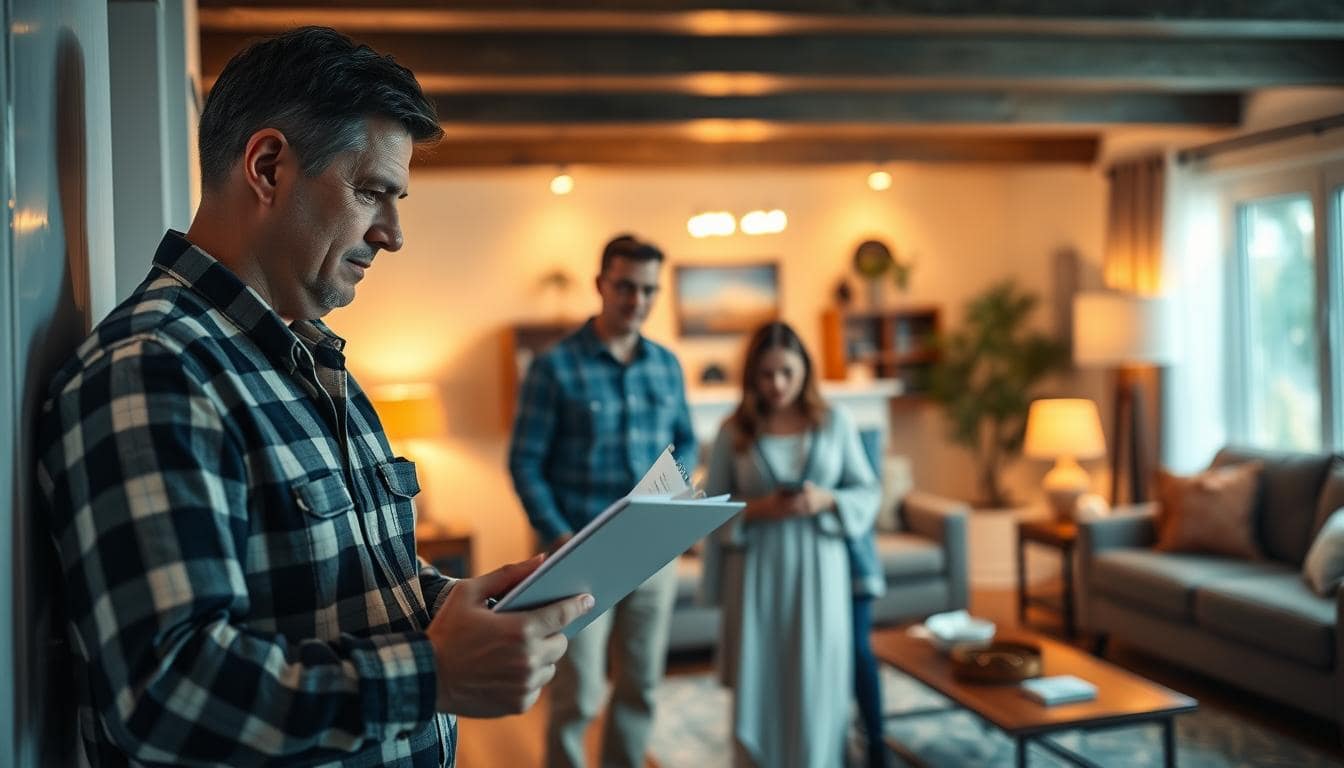
Buying your first house is exciting! But it can also feel overwhelming with all the steps involved. One of the most important steps is getting a professional evaluation of the property.
A thorough check by a qualified expert looks at both the inside and outside of the house. They search for serious problems like structural issues, safety hazards, or old systems that need replacing.
This process typically takes 2-3 hours and costs between $300-$425. While it might seem like an extra expense, it’s actually a smart investment.
These evaluations reveal hidden problems you might miss during a simple walk-through. They give you peace of mind and can save you from making a very costly mistake.
Think of it as your secret weapon in the home buying journey. These home inspection tips will help you feel confident and prepared!
What is a Home Inspection?
A home inspection is like a health check for a house. It’s done by a certified expert who knows what to look for. It helps you understand a property’s true condition before you buy it.
This detailed check happens after you’ve made an offer but before you close the deal. The inspector looks at all major parts of the house without damaging it. They check everything from the foundation to the roof.
Your inspector looks for problems that aren’t easy to see. They check the structure, electrical systems, plumbing, and HVAC. The goal is to find any hidden issues that could cost a lot to fix later.
Home inspections are non-invasive. Inspectors don’t tear down walls or do destructive tests. They use what they can see and reach to give a full assessment.
The process follows strict standards from groups like InterNACHI or ASHI. These rules make sure your inspection covers all important areas. Your inspector will give you a detailed report to help you understand the property’s condition.
Remember, inspections focus on structural and mechanical issues, not just looks. Things like peeling paint or old carpeting are usually not a big deal unless they show a bigger problem.
This professional check gives you the confidence to buy or negotiate repairs. It’s a key tool for making a smart decision about your biggest investment.
Why Are Inspections Important?
Think of a home inspection as your personal detective service for your dream home. While the house might look perfect during showings, a professional inspector uncovers what’s happening behind the walls and under the floors.
Home inspectors work only for you, not the seller. You pay for the inspection, so they have no interest in the sale. Their job is to give you a detailed report on the property’s condition.
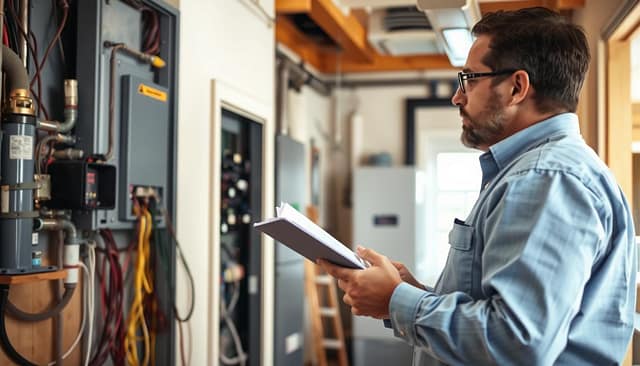
This unbiased assessment can reveal problems that sellers might not disclose or even know about. From hidden water damage to outdated electrical systems, these discoveries can save you thousands in unexpected repairs down the road.
Most purchase contracts include an inspection contingency. This gives you the power to walk away if major issues surface. It’s your safety net in the home buying process.
Knowing what to expect in home inspection gives you confidence and negotiating power. You can ask the seller to make repairs, lower the price, or contribute to closing costs based on the inspector’s findings.
According to industry experts, skipping an inspection is one of the riskiest moves a homebuyer can make. The small upfront cost protects your massive investment.
| Inspection Benefit | Financial Impact | Peace of Mind Factor |
|---|---|---|
| Identifies hidden defects | Potentially saves thousands | High |
| Provides negotiation leverage | Could lower purchase price | Medium |
| Reveals safety concerns | Prevents future liabilities | Critical |
| Educates about home systems | Helps budget for maintenance | Medium |
The inspection report becomes your home maintenance roadmap. It tells you what needs immediate attention and what to watch for in the coming years.
Remember, no house is perfect. Even new constructions can have issues. The inspection helps you understand exactly what you’re buying and prepares you for homeownership.
Choosing a Home Inspector
Finding the right home inspector is key when buying a home. They can uncover important details that impact your decision and negotiation power.
Begin by asking your real estate agent for recommendations. They often work with reliable inspectors and know who provides detailed reports. You can also ask friends or family who have bought homes recently about their experiences.
Professional organizations are another great resource. The American Society of Home Inspectors (ASHI) has strict standards for its members. Their website helps you find certified inspectors in your area.
- Proper licensing – Each state has its own rules, but all inspectors must meet them
- Experience – Choose someone with several years of experience
- Insurance coverage – This protects both you and the inspector
- Sample reports – Look at their past work to see if they document well
- Client reviews – Check what others say about their communication and detail
Prepare questions for your inspector. Ask about their experience with homes like yours. Specialized knowledge is needed for older or unique homes. Also, ask about their equipment and if they climb on roofs or enter crawl spaces.
Don’t choose the cheapest inspector. A thorough inspection might cost more but can save you thousands by finding problems early. Your inspector should help you make a smart decision about your home.
Make sure to schedule your inspection when you can be there in person. Being there lets you ask questions and learn about home maintenance from a pro. This makes the inspection a valuable learning experience.
The Inspection Process Step-by-Step
Getting ready for your home inspection is exciting yet a bit nerve-wracking. Don’t worry! Most inspections follow a clear path that’s easy to understand. Inspectors focus on visual checks and non-invasive methods, ensuring no damage to your future home.
They examine everything from the roof to the foundation. Their goal is to find issues you might miss on your own.

- Scheduling and Prep Work
Book the inspection after your offer is accepted. Inspectors often book up fast, so act quickly. Before they arrive, make sure all areas are accessible. Clear away storage items blocking access to attics, crawl spaces, or electrical panels. - The On-Site Visit (2-4 Hours)
This is when the real action happens. Your inspector will methodically examine the property using a detailed inspection checklist. They start outside and work their way in, checking every major system. - Exterior Examination
The inspector walks around the entire property looking at siding, foundation, drainage, windows, and roofing. They note cracks, water damage, or poor ventilation that could cause bigger problems later. - Interior Assessment
Inside, they check walls, ceilings, floors, and doors. They’re looking for signs of leaks, uneven settling, or poor construction. Windows get tested for proper operation and seals. - System Checks
This covers plumbing, electrical, and HVAC systems. Inspectors run water, test outlets, and check heating/cooling units. They verify everything meets current safety standards. - Final Walkthrough
Many inspectors do a quick recap with you onsite. This is your chance to ask questions and see issues firsthand. Don’t be shy – this is your education about the property! - Report Delivery
Within 24 hours (usually), you’ll receive a detailed digital report. It includes photos, descriptions, and severity ratings for all findings. This becomes your negotiation tool with the sellers.
Pro tip: Always attend your inspection if possible. Seeing problems in person helps you understand the report better. Plus, you can get immediate answers from your inspector.
Remember that the inspection checklist covers hundreds of items. No house is perfect, but a good inspection gives you the knowledge to make smart decisions about your investment.
Your inspector’s detailed inspection checklist ensures nothing gets overlooked. From testing smoke detectors to checking insulation levels, they verify your future home’s safety and functionality.
Typical Issues Found
Every home has two stories to tell. One is through its decor and layout. The other is through its structural and mechanical condition. Knowing what to expect in home inspection helps you understand both stories. It also helps you make smart decisions about your investment.
Inspectors sort findings by system. This helps them focus on the most important concerns. Here’s what they usually find:
Roofing Concerns
Roof problems often lead the list. Issues like missing shingles, damaged flashing, or worn sealants can cause leaks. These leaks can damage the inside of the home. Some problems need quick fixes, while others just need watching.
Electrical System Findings
Old wiring is a big safety risk. Inspectors often find outdated outlets, double-tapped breakers, or aluminum wiring. These need professional fixes to ensure safety.
Plumbing Problems
Plumbing issues range from small drips to big leaks. Poor water pressure, corroded pipes, or bad drainage are common. Some fixes are simple, while others show deeper problems.
HVAC Limitations
Old heating and cooling systems show their age. They might not work well or make strange noises. Changing filters or replacing parts often solves these problems.
Foundation and Structural Issues
Small cracks in foundations might look bad but are often cosmetic. But big cracks or uneven settling need a structural engineer’s check. This helps buyers know what’s real and what’s not.
Moisture and Drainage Challenges
Basement dampness, bad grading, or poor drainage can lead to moisture problems. These can cause mold or wood rot if not fixed. Fixing the drainage usually solves these issues.
For more examples, check our guide to common home inspection issues.
| Issue Type | Typical Examples | Severity Level | Recommended Action |
|---|---|---|---|
| Safety Hazards | Faulty wiring, gas leaks, structural failures | High | Immediate professional repair |
| Major Concerns | Roof leaks, foundation cracks, plumbing failures | Medium-High | Professional evaluation needed |
| Maintenance Items | Worn weather stripping, dirty filters, minor caulking | Low | Routine homeowner maintenance |
| Cosmetic Issues | Paint touch-ups, minor drywall cracks, surface stains | Very Low | Optional aesthetic improvements |
Finding issues during an inspection doesn’t mean you should walk away. It means you understand the home’s real condition. This knowledge helps you negotiate better and plan for future maintenance.
Knowing what to expect in home inspection prepares you for the fact that most homes have some issues. The key is to tell the difference between normal wear and tear and serious problems that affect safety or value.
Fixes and Negotiations
Your home inspection report gives you powerful negotiating tools. You now have solid information to make smart decisions about your new home. The findings can help you move forward confidently.
Many buyers feel nervous about negotiations. Remember, this is a normal part of the home buying process. Sellers expect reasonable requests based on inspection findings.
- Request repairs for specific issues
- Ask for a price reduction
- Request closing cost credits
- Proceed with the purchase as-is
- Walk away from the deal
Prioritize your repair requests wisely. Focus on major systems and safety concerns first. These include electrical problems, plumbing issues, and structural defects.
Sellers are more likely to address critical repairs. Cosmetic issues might not get the same attention. Your real estate agent can help you determine what’s reasonable to request.
Consider requesting a price reduction instead of repairs. This gives you control over who does the work. You can choose qualified contractors and ensure quality results.
Closing cost credits are another excellent option. The seller contributes money toward your closing expenses. You can use these funds to address repairs after moving in.
Some situations might warrant walking away. Major foundation problems or extensive mold remediation could make the home unsuitable. Trust your inspection results and make the best decision for your situation.
For detailed guidance on this process, explore our comprehensive guide on negotiating after the home. This resource provides additional strategies and insights.
| Negotiation Strategy | Best For | Success Rate | Buyer Benefits |
|---|---|---|---|
| Repair Requests | Safety issues and major defects | High | Fixed problems before move-in |
| Price Reduction | Multiple issues or older homes | Medium-High | Lower mortgage, control over repairs |
| Closing Credits | Minor to moderate repairs needed | Medium | Cash available for future repairs |
| As-Is Purchase | Minor issues or competitive markets | N/A | Faster closing, simpler process |
Work closely with your real estate agent during negotiations. They understand local market conditions and can advise on reasonable requests. Their experience helps frame your requests effectively.
Remember that negotiations should remain professional and respectful. Keep emotions out of the process. Focus on the facts presented in your inspection report.
These home inspection tips will help you navigate post-inspection discussions confidently. You’re making informed decisions based on professional findings. That’s the power of a thorough home inspection.
Next Steps If Problems Arise
When your inspection report shows problems, you have several options. This is why adding a home inspection contingency to your contract is key.
The contingency lets you back out without penalty if big issues come up. This is vital if sellers won’t fix major problems.
Not every issue is a deal-breaker. It’s important to know the difference between small cosmetic issues and big structural or safety problems.
Your home inspection checklist helps you sort out issues by severity and cost. Some problems might look scary but are easy to fix.
For specific worries like mold, radon, or foundation issues, get extra help. Specialized inspections give deeper insights into these problems and their fixes.
Getting accurate repair estimates is key for negotiating. Ask quotes from licensed contractors to know the real cost of fixing each issue.
You’re not alone in this. Your real estate agent can help decide if you should ask for repairs, negotiate credits, or walk away.
Dealing with inspection findings in a methodical way can turn panic into action. With the right info and support, you can confidently decide about your new home.
Inspection FAQ
First-time buyers often wonder about home inspections. Here are answers to common questions.
Should I skip the inspection in a competitive market? Some buyers do to make their offers stand out. But, skipping it can lead to a bad investment. Only skip if you have no other choice.
How does an inspection differ from seller disclosures? Disclosures share known issues. Inspections find hidden problems through expert checks.
What’s not included in standard inspections? Pest checks, radon testing, and mold assessments need separate services.
Do new construction homes need inspections? Yes. Builders can make mistakes. An inspection ensures quality before you move in.
What if areas are inaccessible during inspection? Inspectors note limitations. They suggest further evaluation if needed.
Understanding these points helps you approach your home inspection with confidence and clarity.