

Planning for low-maintenance landscaping starts with a practical question: what will the yard require after the project is finished? A design that looks manageable on installation day can become expensive or difficult if it needs frequent watering, pruning, replacement planting, chemical treatment, or specialized equipment. For homeowners settling into a property, the better goal is usually a yard that fits the climate, the household budget, and the amount of upkeep the owner can realistically handle.
The trend is not only aesthetic. The 2026 Houzz Outdoor Trends Study, based on a survey conducted from April 25 to May 6, 2026, of 1,191 U.S. homeowners, found that 73% of homeowners updating landscapes chose low-maintenance plants, while 55% chose native plants and 49% chose drought-resistant plants, according to the Houzz study. Those choices point toward outdoor spaces designed for daily use, not just curb appeal.
Why Low-Maintenance Landscaping Is Driving Yard Plans
Yard work is a recurring ownership cost, even when homeowners do the labor themselves. Mowing, watering, trimming, hauling green waste, replacing stressed plants, repairing irrigation, and buying seasonal supplies all compete with other housing expenses. A lower-upkeep yard can reduce those demands, but only if the project is planned around local conditions rather than copied from a photo.
Low-Maintenance Landscaping Starts With Scope
A good low-maintenance landscaping plan starts by identifying which parts of the yard create the most work. For many owners, that may be a thirsty lawn, a narrow side yard that is hard to mow, plantings that outgrow their beds, or irrigation that does not match current use. The answer is not always a full redesign. Smaller changes, such as replacing a problem bed, simplifying a planting area, or reducing unnecessary turf, may be easier to fund and maintain.
The same Houzz research found that among homeowners replacing original lawns, natural grass declined by 9 percentage points to 63%, while synthetic lawns increased by 10 points to 19%. Hardscaping was selected by 57% and mulch by 51%. Those figures show that homeowners are reconsidering the default lawn-heavy yard, but they do not mean every property should remove grass. Turf can still make sense for children, pets, erosion control, or neighborhood expectations. The key is deciding where grass is useful and where it is only generating work.
Design For Use Before Resale
For homeowners, low-maintenance landscaping should support how the household actually uses the property. A shaded sitting area, a simple path, or a durable mulch bed may provide more value than a large ornamental planting scheme that needs regular attention. For related planning context, this site’s discussion of outdoor design trends explains why many owners are prioritizing comfort, shade, and lower-upkeep choices over projects aimed only at resale presentation.
Plan Water Use Before Planting
Water is one of the clearest places where sustainability and budget meet. A yard that needs frequent supplemental irrigation can add pressure to household costs and may perform poorly during dry periods. A water-wise plan begins with plant selection, soil conditions, shade patterns, and irrigation needs rather than with decorative purchases.
Use Water-Wise Principles Early
EPA guidance on water-wise landscapes states that xeriscaping, which can include drought-tolerant or native plants and efficient irrigation, can reduce supplemental irrigation by more than 50% compared with traditional landscapes; see the EPA water-wise landscape guidelines. That does not mean every yard will achieve the same result. Climate, rainfall, soil, plant maturity, and irrigation practices all affect results. Still, the direction is useful: choosing plants that suit the site is usually more durable than trying to force high-water plants to survive with more equipment and labor.
Homeowners should also be cautious about irrigation changes. Adjusting a watering schedule may be simple, but work involving backflow prevention, buried lines, electrical controls, major trenching, or connections to plumbing should be evaluated by qualified professionals. Mistakes can cause water waste, property damage, or code issues. Safety and compliance matter more than short-term savings.
Native And Drought-Resistant Plants Need Placement
Native and drought-resistant plants are not maintenance-free. They still need proper placement, establishment watering, spacing, and occasional care. A plant suited for one region or soil type may fail in another. Before buying, homeowners should confirm sun exposure, mature size, drainage conditions, and whether the plant fits the yard’s actual use. Grouping plants with similar water needs can also reduce waste because the irrigation does not have to satisfy mismatched beds.
Budget Scope Before Buying Plants
Budget planning should come before the nursery visit. Plants, mulch, edging, soil amendments, delivery fees, irrigation work, debris removal, tools, and professional labor can all add up. A phased plan is often safer than committing to a full-yard change before the owner understands the property’s drainage, shade, and maintenance patterns through at least one growing season.
Separate DIY Tasks From Professional Work
Some yard tasks may be reasonable for homeowners who have the time, physical ability, protective gear, and correct tools. Examples can include spreading mulch, planting small shrubs, removing light debris, or maintaining beds. Higher-risk work deserves more caution. Tree removal, major grading, retaining walls, drainage corrections near the foundation, irrigation line installation, gas or electrical work for outdoor features, and heavy equipment use should be handled by qualified contractors.
Before investing in tools, homeowners comparing basic yard tools, hand tools, or project supplies can review resources at HighProTools. It’s crucial that any purchase supports repeated use and safe operation rather than serving as a one-time buy.
Use A Phased Yard Plan
A phased plan reduces the risk of spending heavily on the wrong solution. Start with the areas that affect water use, safety, erosion, access, or recurring maintenance. Decorative upgrades can wait until the practical problems are understood. This approach also gives homeowners time to see which plants survive local conditions without unusual intervention.
- First priority: correct unsafe access, drainage concerns, dead vegetation, and trip hazards.
- Second priority: reduce high-maintenance lawn or planting areas where they create recurring cost.
- Third priority: add mulch, native or drought-resistant plants, and simple paths where they fit the site.
- Fourth priority: consider larger hardscape or irrigation changes after comparing contractor scopes.
Homeowners should document the current yard before changing it. Photos after rain, during heat, and after routine mowing can reveal where water pools, where plants wilt, and where work repeats too often. That record also helps contractors provide clearer estimates and reduces the chance that bids are based on different assumptions.
Sustainable Choices Should Still Fit Daily Life
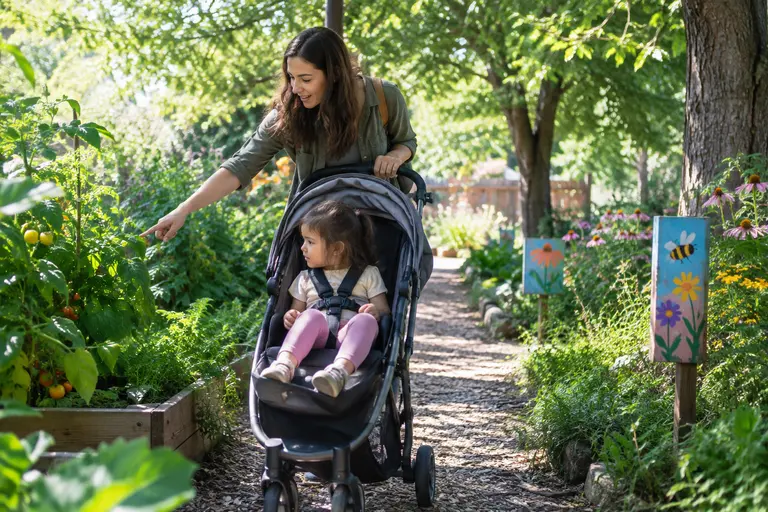
Sustainability is not only about choosing a plant label. A landscape that dies quickly, requires frequent replacement, or creates heavy green waste is not efficient. Durable choices are usually site-specific. Mulch may reduce exposed soil and help beds look orderly, but it still needs periodic refreshing. Hardscaping can reduce mowing, but too much paving may create heat, runoff, or drainage concerns if poorly planned. Synthetic turf may reduce mowing, but it has different heat, drainage, cleaning, and end-of-life considerations that owners should evaluate before installation.
Maintenance Is A Design Constraint
Every design choice creates a maintenance pattern. Gravel may shift. Edging may move. Shrubs may outgrow walkways. Drip irrigation may need inspection. Even lower-upkeep yards need seasonal review. The goal is not zero maintenance; it is a yard where the expected work is visible, affordable, and realistic for the people living there.
For households that have just moved in, waiting before making large changes can be useful. A first season can show where shade falls, where water collects, which plants are already adapted, and which areas are rarely used. Removing everything too soon can erase useful clues and increase costs. If the yard has safety hazards, drainage problems near the home, or unhealthy large trees, those issues should be assessed sooner by qualified help.
Low-Maintenance Landscaping Budget Priorities
The strongest yard plans connect sustainability to cost control. A homeowner does not need to redesign every bed at once to make progress. The practical sequence is to reduce waste, protect the home, choose plants suited to the site, and avoid work that requires constant correction.
Make The Plan Measurable
Before spending, set a few measurable goals: less lawn to mow, fewer thirsty plantings, simpler irrigation zones, safer walkways, or fewer seasonal replacements. Then compare each proposed purchase against those goals. If a feature adds upkeep, water demand, or contractor dependence without solving a real problem, it may belong in a later phase.
Low-maintenance landscaping works best when it is treated as a long-term ownership decision, not a weekend makeover. Use current yard trends as a reference, but let the property’s climate, water needs, safety issues, and household budget set the order of work. That is the safer path to a yard that looks cared for without becoming another expensive chore.