

Essential repairs are taking a larger share of homeowner attention as higher labor and material costs pressure household budgets. For buyers, that shift matters before an offer is written, because a home with delayed maintenance can carry costs that are not obvious in listing photos or cosmetic upgrades.
The pattern is not simply that owners stopped spending on homes. The stronger signal is that many are trying to separate needs from wants. Angi reported in its 2026 State of Home Spending Pulse that rising material and labor costs led homeowners to postpone some improvement plans while focusing more on repairs and preventive maintenance Angi’s 2026 report. That is a practical budgeting response, but it can also leave buyers sorting through work that previous owners could not afford or chose to delay.
Why Essential Repairs Are Taking Priority
Cost Pressure Is Reshaping Project Timing
Homeowners tend to make different decisions when every project quote feels higher than expected. A kitchen refresh, patio upgrade, or paint project may be easier to pause than a leak, HVAC failure, electrical concern, or structural warning sign. That does not mean every cosmetic project is frivolous, but it does mean safety, habitability, and damage prevention should sit higher in the budget order.
Associated Press reporting, citing Verisk and Harvard LIRA data, said the cost of remodeling and repair items rose nearly 4% year over year in the first half of 2025, while home improvement spending increased slightly to $513 billion AP’s repair spending report. That combination helps explain why owners may still spend money while becoming more selective about the work they approve.
Essential Repairs Need A Risk Filter
Not every repair has the same urgency. A worn finish may affect appearance, while active water intrusion can lead to broader damage if ignored. An aging appliance may be inconvenient; a repeated electrical problem may raise safety concerns. Buyers and owners should sort projects by risk rather than by visibility.
A cautious repair filter starts with three questions: Does the issue affect safety? Could delay cause additional damage? Does the work require a licensed or qualified professional? If the answer to any of those is yes, the item belongs higher on the review list. This is especially relevant during a home search, when a clean-looking room can distract from older systems, moisture stains, poor drainage, or neglected exterior maintenance.
What The 2026 Spending Data Shows
Spending Held Up, But Priorities Shifted
The recent data points point in the same general direction: homeowners are not ignoring their properties, but many are narrowing the project list. Angi’s 2026 reporting emphasized postponed improvement plans and greater focus on repairs and preventive maintenance. AP’s coverage showed spending still present, even as repair and remodeling costs rose.
That distinction matters for buyers. A seller may have completed smaller visible updates while leaving larger maintenance work unresolved. New flooring, cabinet hardware, or lighting can make a listing feel fresher, but those items do not answer questions about roof condition, HVAC age, drainage, electrical safety, plumbing reliability, or signs of prior leaks.
For owners who are staying put, a repair-first mindset can protect the house from preventable deterioration. For a broader perspective, exploring vacation property options through Weekender Villas can provide insights into balancing essential repairs with aesthetic improvements.
Deferred Work Can Change A Buyer’s Offer Strategy
Deferred maintenance is not automatically a reason to walk away from a home. It is a reason to price risk more carefully. The key is to distinguish normal aging from active problems. A dated but functioning system is different from a system with repeated service issues. Old paint is different from moisture damage behind a wall. A driveway crack is different from evidence of foundation movement.
Buyers should avoid relying on seller descriptions alone for major systems. Inspection reports, specialist evaluations, permits where applicable, service records, and written estimates can help separate manageable work from a larger repair burden. For readers comparing primary residences with vacation-home browsing, the same screening habit applies across property types, including searches through Weekender Villas.
How Buyers Should Read Deferred Maintenance
Inspection Findings Are Budget Signals
An inspection report is not just a defect list. It is a budget map. Items marked as safety hazards, active leaks, failed components, or further-evaluation recommendations deserve more attention than purely cosmetic notes. Buyers should ask whether an issue needs immediate attention after closing, whether it can wait, and whether a qualified trade professional should evaluate it before the transaction moves forward.
Cost pressure can make sellers less willing or less able to complete repairs before closing. That creates a need for clear decision-making. A buyer may prefer a repair by a qualified contractor before closing, a negotiated credit where allowed, or a lower offer that reflects needed work. Those choices depend on contract terms, lender requirements, local practice, and the buyer’s available cash. A real estate agent can help organize the negotiation process, but buyers should avoid treating rough guesses as firm budgets.
- Ask whether any issue affects safety, water control, heating, cooling, or habitability.
- Request documentation for recent repairs, replacements, warranties, or permits when relevant.
- Use qualified professionals for electrical, plumbing, HVAC, roofing, structural, gas, and major exterior work.
- Separate cosmetic preferences from work that may prevent damage or reduce risk.
- Keep a post-closing reserve rather than spending every available dollar on the purchase.
Repair Quotes Should Be Treated Carefully
Online averages can be useful for context, but they are not a substitute for local estimates. Labor costs, material availability, access, code requirements, and the condition of adjacent systems can change pricing. A repair that looks isolated during a showing may become more involved once a professional opens a wall, examines equipment, or identifies related damage.
For that reason, buyers should be cautious about accepting a very low estimate without understanding its scope. Does it include permits if needed? Does it address the cause or only the visible symptom? Does it come from someone qualified to do the work? These questions are not about slowing the purchase process; they are about avoiding surprises after closing.
Repair Planning Without Unsafe Shortcuts
Work That Usually Needs A Qualified Pro
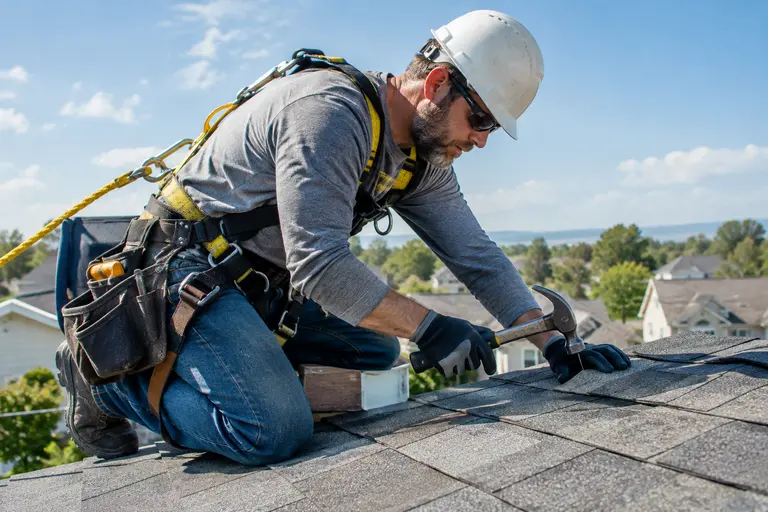
Economic pressure can tempt homeowners to do more themselves. Basic maintenance, visual monitoring, filter changes, caulking small noncritical gaps, and simple upkeep may be reasonable for capable owners who follow product instructions. High-risk work is different. Electrical service, gas lines, structural changes, roofing, major plumbing, HVAC repairs, and ladder-heavy exterior work can create injury, fire, water damage, or code problems if handled improperly.
A safety-first plan does not mean hiring out every small task. It means knowing where the line is. If a repair could affect life safety, building structure, water control, ventilation, combustion, or electrical load, the safer path is to consult a qualified professional. Buyers should also remember that unpermitted or poorly completed work can become a resale issue later.
Budgeting Should Start Before The Offer
Repair planning should begin during the search, not after the keys are handed over. Buyers can review the age of major systems, visible exterior condition, drainage, signs of moisture, prior disclosures, and inspection findings before deciding how much room to leave in the budget. The goal is not to predict every future cost. It is to avoid buying at the top of the budget and then facing immediate work with no cushion.
Owners who are not selling can use the same approach. Rank repairs by safety, damage prevention, and system reliability before spending on lower-risk updates. If money is tight, it may be better to stabilize the property first and postpone discretionary work. Financing decisions should be made cautiously, with attention to payment risk and household cash flow rather than the appeal of getting every project done at once.
Essential Repairs Under Economic Pressure
Essential repairs now sit at the center of many ownership decisions because costs, uncertainty, and limited cash reserves can push households to choose between competing needs. The data from 2025 and 2026 supports a careful reading: homeowners are still spending, but many are prioritizing repairs, maintenance, and prevention over discretionary upgrades.
For buyers, the practical step is to evaluate a home as both a place to live and a set of systems that will require money over time. Cosmetic updates may improve first impressions, but inspection findings, service history, water control, and safety items deserve equal attention. For current owners, the safer path is to rank projects by risk, avoid unsafe DIY work, and seek qualified help for high-consequence repairs. In a tighter cost environment, the smartest repair decision is often the one that prevents a manageable issue from becoming a larger one.